



















NAIROBI, Kenya, Feb 23 – Uganda has officially signed to participate in the initial public offering (IPO) of the Kenya Pipeline Company, signaling a major step in regional energy cooperation.
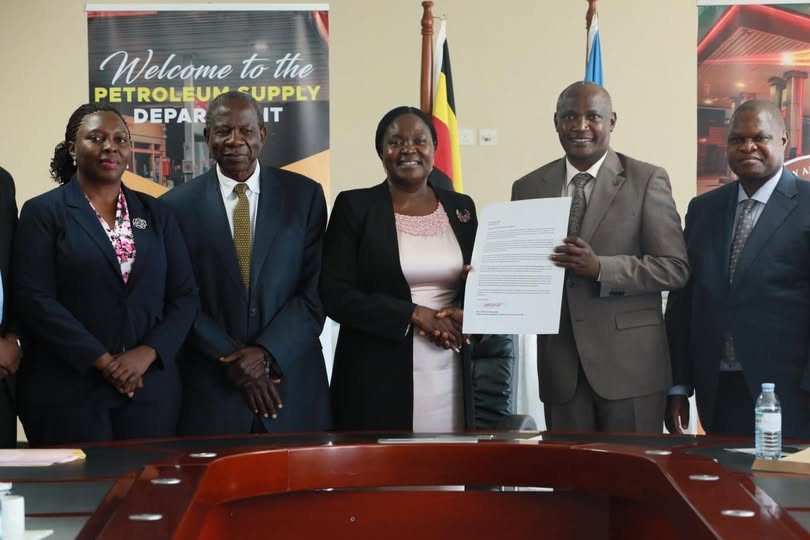
Ruth Nankabirwa Ssentamu, Uganda’s Minister of Energy and Mineral Development, signed the agreement in Nairobi on behalf of the Ugandan government.
Through the Uganda National Oil Company, Uganda will secure a strategic stake in the company, a critical regional energy infrastructure asset.
“By investing in KPC, a key player in regional petroleum transport and storage, Uganda aims to enhance supply chain stability, ensure reliable and affordable fuel imports, and reinforce its strategic position in East Africa’s evolving energy landscape,” Nankabirwa said.
“This move will also strengthen regional energy cooperation and safeguard Uganda’s long-term fuel security.”
The IPO, opened on January 19, 2026, is Kenya’s largest-ever privatisation and its first fully digital share offer.
It involves the sale of a 65 per cent stake in KPC at Sh9 per share, with the National Treasury projecting proceeds of about Sh106 billion.
The public offer closes on February 19, 2026, at 5:00 PM.
Local and international investors can participate through digital channels. Individual investors can apply via USSD (483816#) or through the KPC IPO online portal, while all investors must have a valid Central Depository System (CDS) account to hold shares electronically.
The minimum application is 100 shares, translating to an investment of Sh900.
KPC plans to credit successful applicants’ shares to CDS accounts ahead of its listing on the Nairobi Securities Exchange on March 9, 2026, when trading will officially begin.
The offer encompasses 11.81 billion ordinary shares, representing the 65 per cent stake being divested.
Currently a state corporation, KPC operates Kenya’s national petroleum pipeline network, transporting refined fuel from Mombasa to major inland towns.
Its 1,342-kilometre pipeline infrastructure handles approximately 14 billion litres of petroleum annually, making it central to fuel security and price stability.