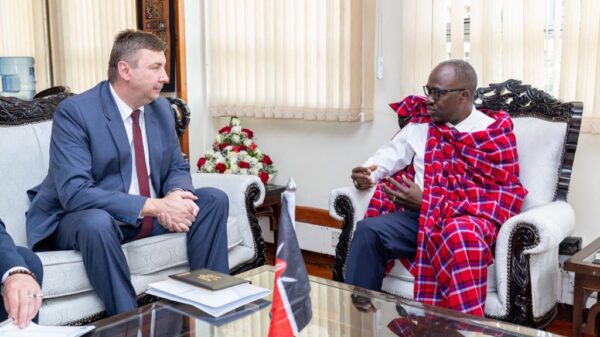







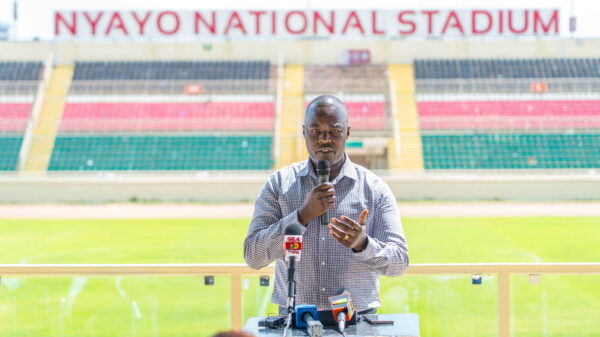
















NAIROBI, Kenya, Feb 18 — National Intelligence Service (NIS) Director-General Noordin Mohamed Haji on Tuesday urged African nations to take full responsibility for their security, development, and institutional resilience, warning that outsourcing these priorities is no longer viable amid increasingly complex global threats.
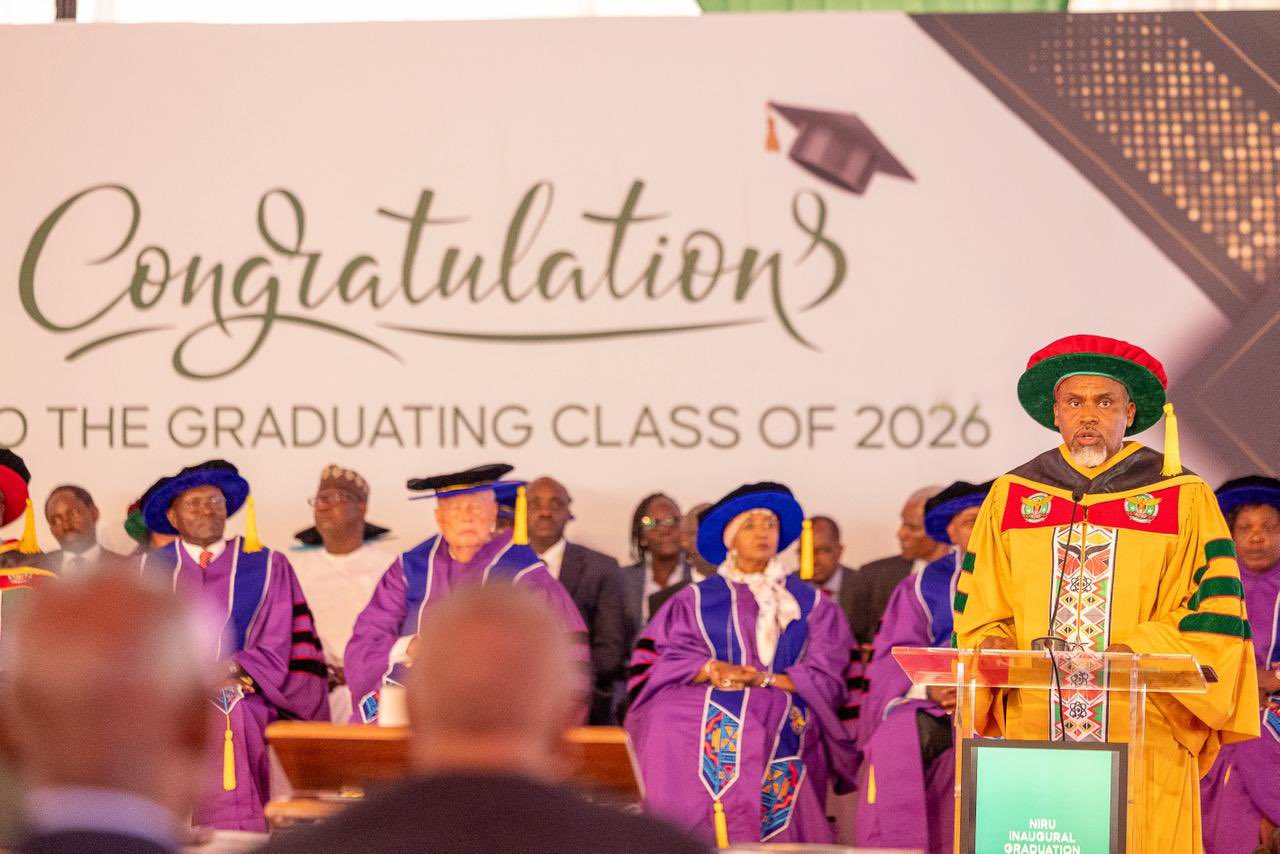
Speaking during the inaugural graduation ceremony of the National Intelligence and Research University (NIRU), presided over by President William Ruto, Haji emphasized the need for homegrown intelligence capacity to anticipate risks, manage competition, and safeguard continental stability.
“Africa must assume full responsibility for its security, development, and resilience of its institutions; outsourcing this priority is no longer viable,” Haji said.
He added that joint education and research on African policy and security matters would help anticipate emerging threats and build a cooperative continental security framework.
“By shaping the next generation of intelligence and national security leaders, the university is contributing to the emergence of an African shield and a resilient, cooperative security architecture,” Haji noted.
President Ruto presided over the graduation of NIRU’s first cohort of 31 master’s degree students from Kenya and other African countries, calling the milestone the dawn of a new era in Africa’s pursuit of excellence in intelligence, research, and national security.
“As Chancellor, I presided over the graduation of the first cohort of 31 master’s degree students drawn from Kenya and across Africa, trailblazers whose achievement sets a firm foundation for generations to come,” Ruto said.
He urged graduates to anchor their service in integrity, professionalism, and patriotism, generating strategic insights to guide nations through a complex global security environment.
Ruto also encouraged NIRU to deepen research and policy-oriented scholarship, building Africa’s intelligence and security capacity for the future.
Vice-Chancellor Dr. James Kibon said the graduation comes barely a year after NIRU received its charter on November 5, 2024, and four years after gaining University College status under the National Defence University of Kenya.
“The award of the Charter marked our transition to a fully-fledged university with a mandate to empower the intelligence community through innovative education and cutting-edge research,” Kibon said.
NIRU’s learner-centred approach combines simulations, case studies, practicums, and symposia to prepare students for real-world intelligence challenges.
Research and innovation are central to the university’s mandate, including an Artificial Intelligence Academy leveraging AI to address security and health challenges, and a Research and Innovation Park under development to translate academic research into practical solutions.
The university currently offers four master’s programmes in Intelligence, Policy, Technology, and Communication Studies, with students from Kenya, Burundi, Malawi, Mozambique, Rwanda, Tanzania, and Uganda, forming a growing continental network of intelligence and security professionals.