















NAIROBI, Kenya, Feb 24 – Members of Parliament are pushing for urgent legal amendments to resolve a long-running dispute over the management and student placement process at the Kenya Medical Training College (KMTC).
The National Assembly Departmental Committee on Health, while reviewing the Budget Policy Statement (BPS), urged Health Cabinet Secretary Aden Duale to align policy and funding to end turf battles that have disrupted health workforce planning.
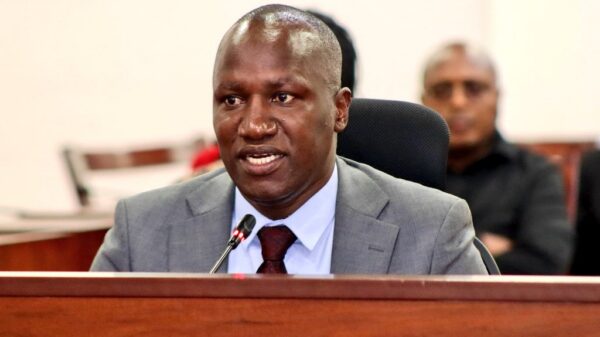
Committee Chairperson and Seme MP James Nyikal said Parliament could no longer tolerate policy inconsistencies affecting a critical health training institution.
“We cannot keep moving back and forth as a country. The question is straightforward: who holds the function and who holds the funding?” Nyikal said.
The dispute, which has persisted for nearly a decade, stems from overlapping mandates between the Ministries of Health and Education.
Currently, student placement at KMTC is handled by the Kenya Universities and Colleges Central Placement Service (KUCCPS), which falls under the Ministry of Education. However, admissions oversight is managed by the Ministry of Health through the State Department for Public Health and Professional Standards.
Nyikal argued that this dual structure has created confusion, administrative delays, and inconsistent policy direction, ultimately affecting health sector staffing.
He revealed that an advisory opinion from the Attorney General indicated KMTC should handle admissions, urging Duale to implement the guidance at Cabinet level unless the law is amended.
CS Duale described the KMTC matter as politically sensitive and legally complex.
“If you want me to handle this hot potato, we must carry it together. Unless Parliament changes the law, what the courts are enforcing is legal and will not simply disappear,” he told MPs.
He pledged to formally seek advisory guidance from the Attorney General, copy the Education Ministry and the Head of Public Service, and engage Parliament to resolve the impasse.
Duale also warned against commercialising medical training, saying weakened standards could harm Kenya’s global reputation in health education.
Beyond KMTC, MPs also questioned the training and remuneration of medical registrars in public referral hospitals, including Kenyatta National Hospital and Moi Teaching and Referral Hospital.
Nyikal insisted that registrar admissions must strictly follow approved national training positions aligned to health sector needs.
“Registrars must be admitted according to the needs of the facility and the country. Positions rotate. That is the fairest system,” he said.
He rejected proposals that would allow financial ability to determine access to public training slots and called for a dedicated budget line to compensate registrars.
“I do not want to hear of a registrar working 24 or 48 hours without pay. That is unacceptable. It is a human rights issue,” Nyikal said.
Moyale MP Guyo Jaldesa supported the collegiate training model, saying it was introduced to address specialist shortages in counties.