










BEIJING, China April 25 – When most people think of China, images of towering skyscrapers, expansive expressways and stunning feats of modern engineering often come to mind.
The country is widely known for its rapid urbanisation and technological prowess.
But beyond the glass towers and megacities lies a different China — one steeped in cultural tradition, natural beauty, and centuries-old heritage. To discover it, one must venture into the countryside.
Nestled deep within Zhejiang Province is Jingshan Village in Yuhang District — a serene settlement that is quietly redefining rural tourism through its deep-rooted tea culture and ancient legacy.

As part of an African delegation attending a seminar on Artificial Intelligence and Media in Developing Nations in Beijing, I had the rare opportunity to escape the bustle of China’s capital and experience its rural charm.
Just over an hour’s drive from Hangzhou City, Jingshan Village, famed for its tea traditions, offers a refreshing contrast to the concrete landscapes many foreigners — myself included — associate with China.
The scenery shifts dramatically upon arrival: rolling hills carpeted in lush greenery, orderly rows of traditional and modern farmhouses, and an unmistakable tranquillity that only rural life affords.
Despite its modest population of around 1,600, Jingshan boasts well-paved roads and modern amenities that rival those in upscale neighbourhoods of cities like Nairobi — a testament to the village’s forward-looking vision.
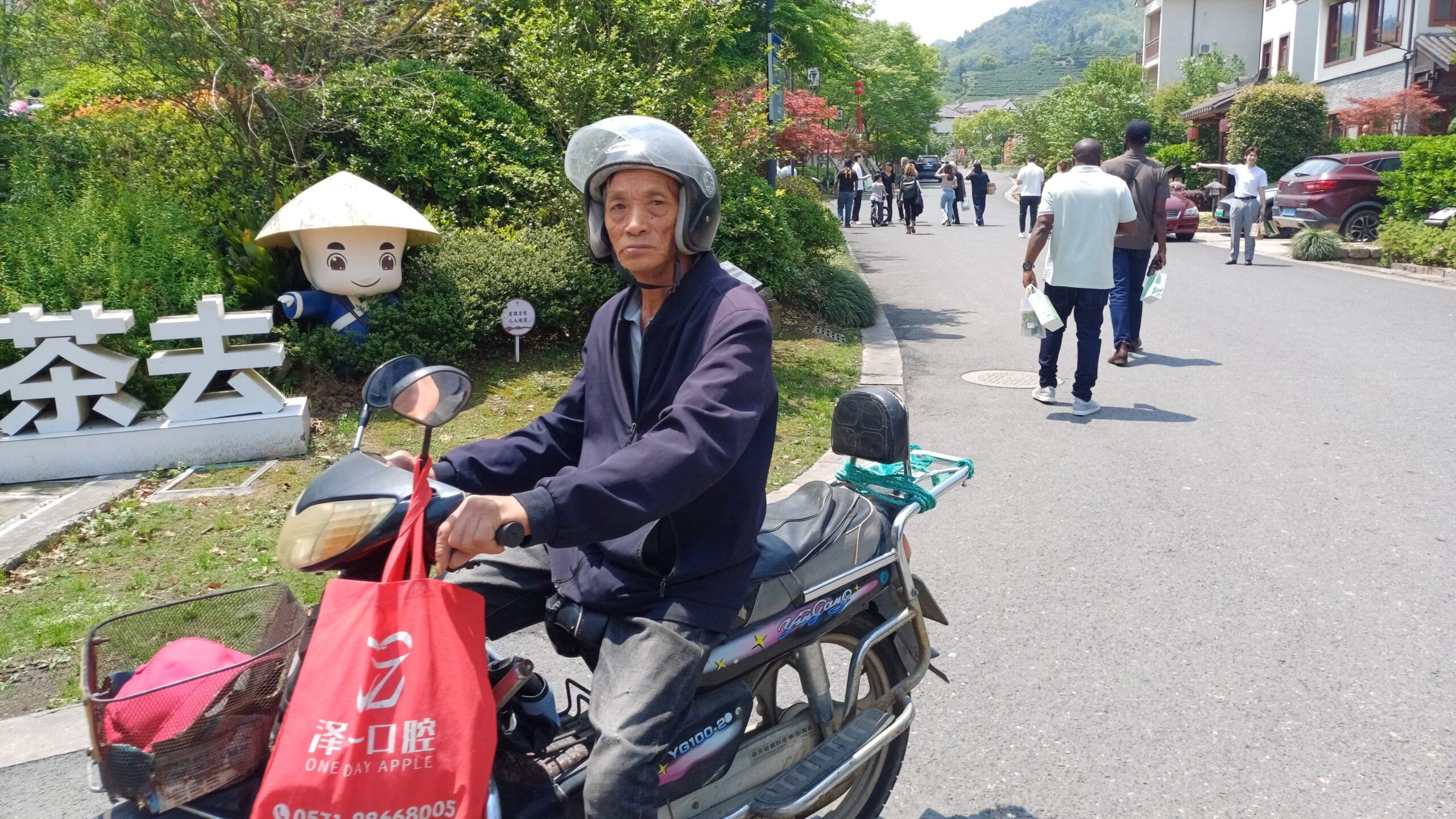
Tea is more than an economic activity here; it is a way of life. The plantations stretch across the hills, painting the landscape in vibrant greens. Tourists are treated to immersive tea-tasting sessions, cultural tours, and a window into centuries of history.
Liu Xiang, a local tour guide and tea master, proudly describes Jingshan as “unique and special,” highlighting its role as home to the ancient Jingshan Temple, established over 1,000 years ago during the Tang Dynasty by imperial decree of Emperor Daizong.
Xiang, who has witnessed the village’s transformation first-hand, attributes much of the change to the Green Rural Revival Program, launched in response to President Xi Jinping’s philosophy that “green mountains and clear waters are as valuable as mountains of gold and silver.”
“This development model not only protects our environment but has uplifted livelihoods,” she says. “Many villagers have built modern homes and converted them into guesthouses, turning tourism into a key income stream.”

While government support laid the groundwork, Xiang notes the active role villagers played — reorganising waterways, redesigning homes, and removing fences to offer tourists uninterrupted views of the landscape. The result is a village that is both beautiful and functional, rooted in sustainability.
Technology is also playing a central role in Jingshan’s revival. The village is incorporating green energy into its development model, including solar-powered cars, charging stations, and smart recycling systems that reward residents for sustainable practices.

Thanks to these efforts, tourism has flourished. Jingshan now attracts up to three million visitors annually, with peak periods during national holidays and major cultural events. Among its highlights is the annual Tea Culture Forum, which draws international delegations to explore and exchange ideas on tea heritage.
“In the past, agriculture — especially crop farming — was our economic foundation,” Xiang says. “But over time, young people began leaving for cities. That’s why we’ve centred our development around tea culture — to bring back pride and opportunity.”
By transforming tradition into opportunity, Jingshan is not only preserving its heritage but also inspiring a new generation to shape its future.