















By Rose Mukonyo
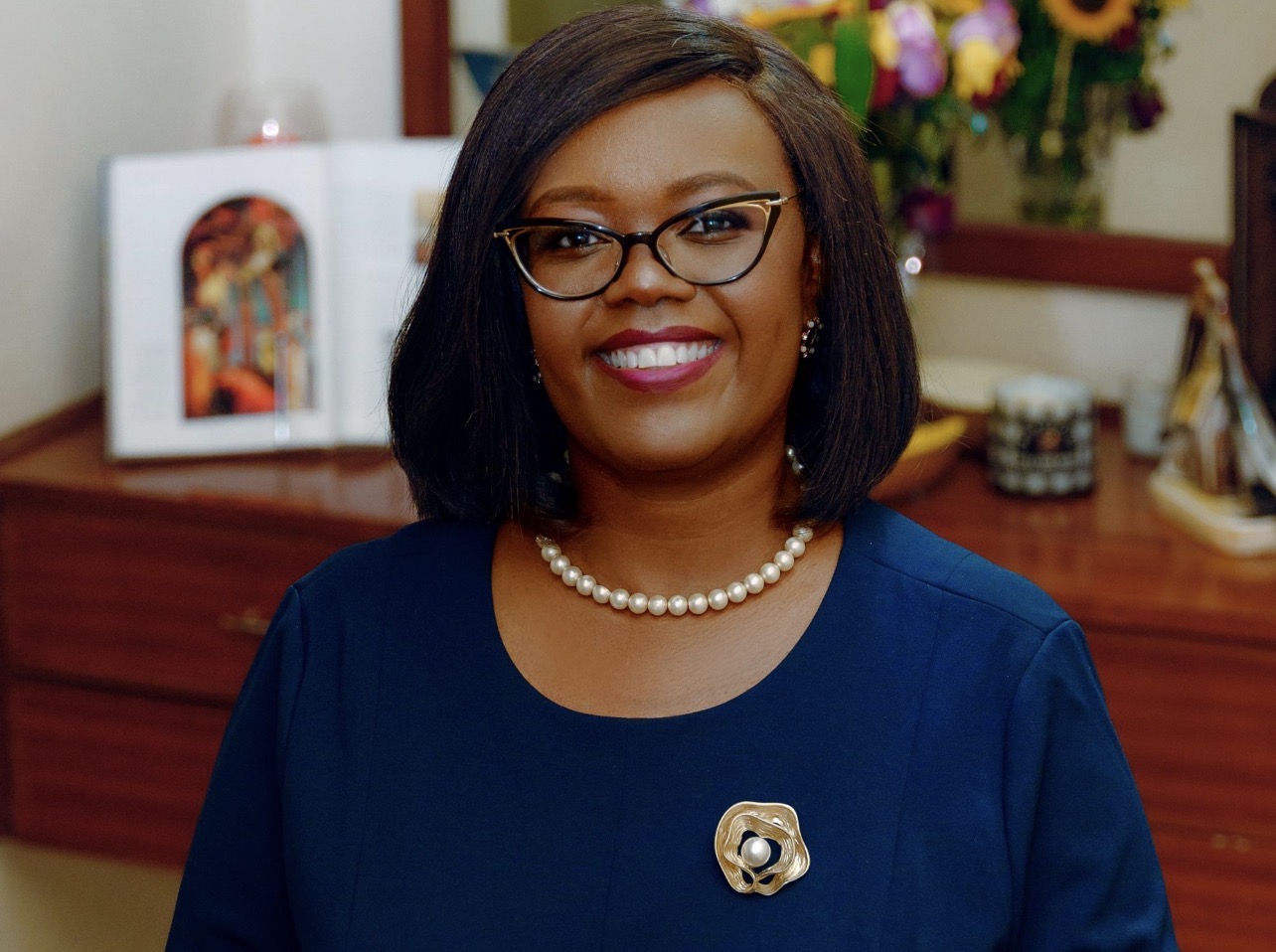
Giving should not be viewed as a sacrifice alone but as an investment in collective progress. These words by Wairimu Njage, an educationist and volunteer, highlight the power of generosity, collaboration, and leadership in building stronger communities.
As the world celebrates International Women’s Day 2026, Njage believes that this year’s theme, ‘Give to Gain,’ encourages reflection on these three principles and emphasizes the importance of connecting with and caring for everyone in our communities, building strong, lasting bonds.
Njage wears many hats and dedicates her heart to promoting education, research, and volunteering. Njage believes that being generous is a gain rather than a loss, offering a chance to contribute to meaningful change and creating a cycle of empowerment and opportunity.
In every interaction, Njage says, true leadership begins with service—listening to others, understanding their needs, and working together to find solutions. She was recently nominated through a government recruitment process to serve on a panel selecting the National Commission for Science, Technology, and Innovation (NACOSTI) Board, representing the Kenya Private Sector Alliance. In this role, she hopes to strengthen the link between education, research, and innovation in Kenya. She believes the country needs to do more to turn scientific knowledge into solutions that tackle real societal issues. From climate change and agricultural productivity to urban mobility and digital transformation, Njage argues that science and innovation must be integral to national development.
One area she is particularly passionate about is strengthening curiosity and problem-solving skills among young learners. Adding that building a culture of innovation requires nurturing critical thinking from an early age. For Kenya to broaden its focus from STEM to STEAM, Njage believes in integrating science and technology with creative disciplines such as art, storytelling, and creative thinking, fields that make scientific ideas accessible to wider audiences and inspire public engagement.
“People connect with ideas when their hearts are engaged,” she says, emphasizing the importance of storytelling and creative expression in shaping public understanding of science.
Returning to the power of giving, Njage explains that the principle of service above self reflects the belief that real progress requires individuals to step up and contribute by extending kindness, solving challenges, and improving the lives of individuals and communities unreservedly. Rotary International is recognized for its global volunteer network, strong community presence, and active development projects. For Njage, leading such a district has been both an immense responsibility and an extraordinary opportunity to witness how service can transform lives.
Njage leads a passionate team of hundreds of volunteers across four countries: Kenya, Ethiopia, Eritrea, and South Sudan. They are currently managing multiple development projects focused on water and sanitation, disease prevention, basic education and literacy, economic development, and environmental conservation. With about $8 million in funding raised through the foundation, these programs have supported communities throughout the region while enhancing local development capacity.
Njage adds that this year’s global observance strongly reflects the core values that have driven Rotary International’s voluntary principles for over a hundred years, noting that the spirit of giving is central to the organization’s philosophy.
“The theme resonates strongly because our work is built on generosity and collaboration. When people give their time, resources, and networks to serve others, communities grow stronger,” she said.
Njage notes that giving is mutually beneficial to both parties and builds a strong foundation in which compassion and cooperation turn simple acts of kindness into powerful forces that impact communities.
“Give to Gain is really a call to action,” she says, “You have to step forward and do something, whether it is giving your time, your skills, or resources. When you give, communities gain dignity, hope, and opportunity, but you also grow as an individual.”
International Women’s Day also invites reflection on the long journey toward gender inclusion among rotarians as volunteers, Njage observes. Although women today occupy leadership roles across the organization, their participation has come only after decades of advocacy. Rotary International was founded in 1905, but women were officially admitted as members only in 1989 after a pivotal decision that expanded the organization’s reach worldwide. The change came after years of activism by women eager to participate fully in service projects, marked in 2022 when Jennifer Jones became the first woman to serve as Rotary International President.
That moment, Njage noted, exemplifies how much the organization has advanced. She noted that women now lead clubs, manage projects, and mentor emerging leaders across a global network. Within District 9212, where she leads volunteers in Kenya, Ethiopia, Eritrea, and South Sudan, Njage notes that women have increasingly taken on leadership roles and play critical roles in community development initiatives, expanding impact while strengthening partnerships with local communities.
As the District Governor, Njage has spent the past nine months traveling widely across the four countries, visiting community projects and strengthening partnerships. She describes the experience as exciting, challenging, and transformational, noting that the role offers a rare chance to see the impact of service in diverse communities. One of the most significant milestones during her tenure is the split of the organization’s structure into two manageable parts, Districts 9215 and 9216, to improve governance and expand leadership opportunities, likening the process to motherhood and describing the great task ahead of impactful service.
Njage reflects on this generous perspective, shaped by nearly a decade of involvement in in-service, which has helped her develop leadership skills, broaden her understanding of society, and build relationships with people from diverse backgrounds.Through projects and community involvement, Njage has experienced firsthand how service can create opportunities for vulnerable communities while also shaping individuals into more empathetic and responsible leaders.
Njage says the organization plays a critical role in translating the generosity of Rotarians into meaningful change, explaining that members contribute to the global fund, which currently holds assets exceeding $2 billion, and that districts can then access these resources to implement community projects.
“The volunteers donate to The Rotary Foundation, which then gives back to communities through community projects,” she says, describing it as a cycle that embodies the idea of giving to gain. In one project that Njage visited in Bungoma, the project supported women’s economic empowerment by training them to produce soybean-based products such as tofu. The initiative helps improve family nutrition while also generating additional income for households.
For Njage, such projects illustrate the transformative power of opportunity, saying it is inspiring to see women being taught new skills that strengthen their families and communities.
“The world needs strong women to build strong communities, and leadership must also include caring for personal health and wellbeing,” she says.
The message is clear yet impactful. When people give generously—whether through their time, knowledge, or resources—they build stronger communities and find a deeper purpose in their own lives.
In the spirit of service, Njage believes, lies the true path to progress.