



















NAIROBI, Kenya, Feb 20 — Ukraine has rejected claims that it recruits Africans to fight in its war against Russia, saying its laws and policies prohibit the enlistment of foreign nationals as mercenaries and contrasting its approach with what it describes as Moscow’s exploitative recruitment practices.
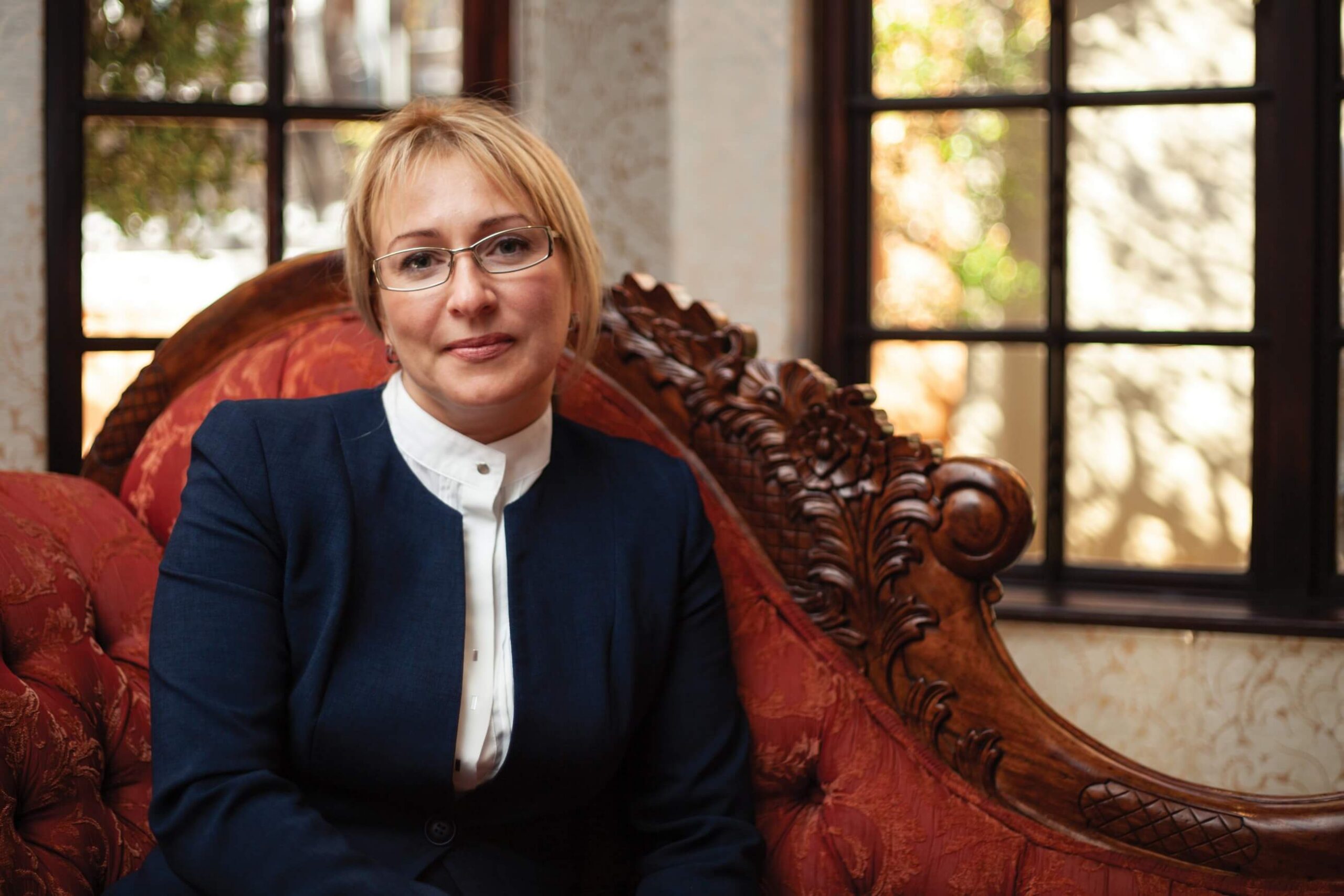
Speaking during a virtual briefing with African journalists on Friday, Liubov Abravitova, Director of the Directorate of Africa and Regional Organisations at Ukraine’s Ministry of Foreign Affairs, said Kyiv does not operate recruitment networks on the continent.
“No, Ukraine does not recruit. At the beginning of the full-scale invasion, we had the initiative of creating the same foreighn legion by President Zelenskyy where we would establish the same type of the legion that for example France used have and has,” Abravitova said.
“However, when we were doing our research regarding the legislation on mercernaries in those countries, it became very obvious that this is something that is not allowed by the legislation of almost every African country.”
She added that while foreign nationals may appear in Ukraine under various circumstances, Kyiv does not conduct recruitment campaigns targeting Africans.
“There are nationals who live abroad in other countries and may, under certain circumstances, appear in Ukraine. But Ukraine does not do this recruitment,” she said.
According to the official website of the International Legions for the Defence of Ukraine, foreign volunteers who join the units are full-fledged servicemembers of the Armed Forces of Ukraine and operate under Ukrainian military law and regulations.
The website states that legionnaires “perform the same duties and enjoy the same rights as other servicemembers of the Armed Forces of Ukraine” and receive legal guarantees, financial remuneration, and social benefits.
Volunteers undergo a selection process and comprehensive training before undertaking combat missions.
The International Legion reports that volunteers from more than 75 countries have joined Ukraine’s defence since 2022, with earlier foreign volunteer involvement dating back to 2014.
Abravitova’s remarks coincided with briefings by researchers studying Russia’s recruitment of African nationals.
French foreign legion
Thierry Vircoulon, senior researcher at the French Institute of International Relations (IFRI), contrasted Ukraine’s stance with Russia’s recruitment of African nationals, which he said violates basic rules, lacks transparency, and exposes recruits to disproportionate frontline risks.
Vircoulon referenced the French Foreign Legion as a regulated and legal pathway for foreign nationals, noting that African volunteers are protected and treated as full members of the military.
Under French law, applicants aged 17.5 to 39.5 must travel independently to France, pass medical and psychological assessments, sign a five-year contract, and may qualify for citizenship.
“There are some militaries that recruit from Africa. For instance, the French Foreign Legion dates back to the 19th century. But it is totally different from what we have described from Russia,” Vircoulon said, calling Russia’s recruitment methods “illegal and unethical.”
“People are recruited legally, they are offered a job in the army, they are paid what they are told they will be paid, and they are not expendable cheap soldiers sent to die.”
Victimising the victims
On claims that Africans join the Russian military voluntarily, Vircoulon warned that portraying them as mercenaries “victimises the victims” and obscures coercion, deception, and corruption.
“This narrative risks victimising the victims,” he said, noting investigations show many recruits do not receive promised pay or benefits.
Vincent Gaudio, co-founder of Swiss NGO INPACT, described the recruitment as transactional, with promises of pay and citizenship often unfulfilled.
INPACT’s February 2026 investigation identified at least 1,417 African men who signed formal contracts with the Russian army or associated forces between 2023 and 2025.
The list, which researchers say is not exhaustive, was verified using social media activity, digital footprints, and prisoner-of-war testimonies.
The recruits came primarily from Egypt, Cameroon, and Ghana, with an average age of 31.
“There is a strong representation in the 18 to 25 category. The oldest recruit is about 57 years old, an Egyptian, and the youngest Gambian is 18,” Gaudio said.
Recruitment numbers rose sharply from 177 in 2023 to 592 in 2024 and 647 in 2025, according to INPACT’s analysis.
Fatalities among African recruits were highest among Cameroonian nationals (94), followed by Ghanaians (55) and Egyptians (52), with a total of 316 confirmed killed in action.
The average duration of service before death was just six months, reinforcing claims that African recruits are often used as “cannon fodder” in high-casualty assault units.
Gaudio said the recruitment drive is part of a broader Russian strategy targeting the Global South to sustain its war effort amid manpower shortages and sanctions pressure.
“Promising citizenship while failing to deliver it, even to Russian fighters, could amount to a trap,” Gaudio said, noting that documented evidence confirms African involvement in the war despite Moscow’s denials.
Heavy losses
Abravitova also highlighted Russia’s heavy battlefield losses, estimating about 1.2 million soldiers, 435 aircraft, and hundreds of rocket systems lost since the invasion.
She warned that Moscow is increasingly seeking alternative manpower sources, including Africans.
She also raised concerns about Russia’s educational programmes, warning that some scholarships could mask recruitment channels.
“For the 2025–2026 academic year, Russia has significantly increased the number of scholarships for African students. From what we’ve seen officially, it’s over 5,000 government-funded spots,” she said.
“While this is presented as support for African education, such policy may have a hidden recruitment dimension.”
She urged African governments, media, and civil society to strengthen awareness, oversight, and diplomatic coordination to protect vulnerable populations.
Russia’s embassy in Nairobi denied issuing visas for recruitment purposes, stating that foreign nationals legally in Russia may voluntarily enlist.
Several African governments, including Kenya and South Africa, have launched investigations and requested repatriation of their nationals, increasing diplomatic pressure on Moscow.