












NAIROBI, Kenya Jan 31 – DCP party leader Rigathi Gachagua has issued a warning over the worsening humanitarian crisis in North Eastern Kenya, questioning how people can be dying of hunger and thirst in a region that has received billions of shillings in public funding and aid.
Gachagua in a statement on X Saturday said leadership must be judged by how it protects human life and dignity, not by power or titles.
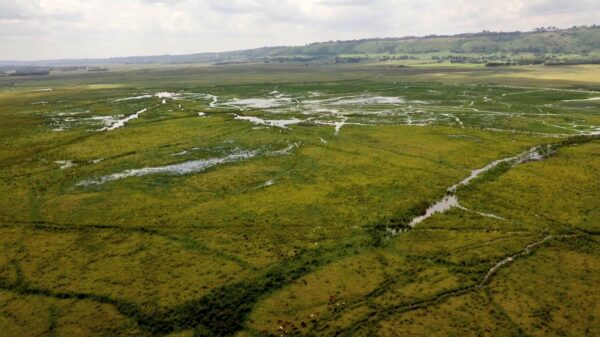
He described the situation in North Eastern as dire, saying conditions have deteriorated so badly that even camels, animals known for surviving extreme drought—are dying.
“If camels cannot survive, what chance do human beings have?” he asked.
Gachagua painted a grim picture of life in the region, saying orphans are going hungry, widows are suffering in silence, and sick people are being denied basic medical care.
He blamed greed, neglect and failure of leadership for the suffering, arguing that those entrusted with power have abandoned the very people they are meant to serve.
He also raised accountability questions, pointing to data showing that approximately Sh200 billion has been disbursed to Mandera County and the wider region over the years.
The funds include allocations from the National Treasury, the Equalisation Fund, CDF, road agencies, and billions more from donors, NGOs and international development partners.
“Where did the money go?” Gachagua posed, as residents continue to face starvation, water shortages and collapsing livelihoods.
The former deputy president warned that power often blinds leaders into believing they can escape consequences, but insisted that accountability is unavoidable.
He said leaders will ultimately be judged not by their influence, but by how justly they handled the trust given to them.
While criticising local leadership in North Eastern, Gachagua also called on the national government to act immediately.
He urged the government to declare the ongoing drought a national disaster and to mobilise all available resources to save lives.
He further appealed to the international community, development partners and humanitarian organisations to urgently step in with food, water, medical aid and relief support.