
























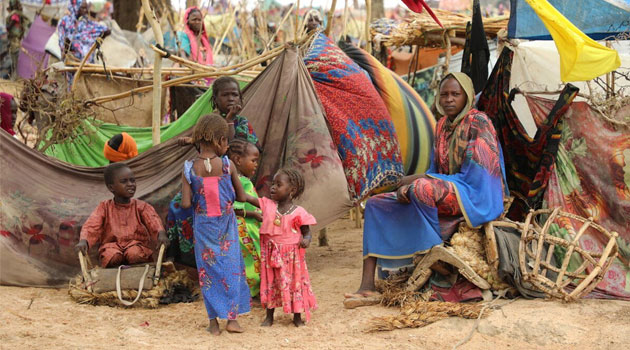

NAIROBI, Dec. 8 (Xinhua) — The number of food-insecure people in the Horn of Africa stood at 64.8 million as of November, according to a report released Friday by the United Nations Food and Agriculture Organization (FAO) and the Intergovernmental Authority on Development (IGAD), an East African bloc.
The report said the figure marks a slight decrease from 65 million in October, attributed to improved food supplies following high rainfall in some IGAD members. Of those affected, 35 million reside in IGAD members, namely Djibouti, Eritrea, Ethiopia, Kenya, Somalia, South Sudan, Sudan, and Uganda, while the remaining are in other Horn of Africa countries, including the Central African Republic and the Democratic Republic of the Congo (DRC). “Extreme weather and climate change, now more severe and frequent, are the primary drivers of food insecurity in the region. The agriculture and livestock sector is dominated by rain-fed agriculture and the changing climate disproportionately affects the vulnerable groups,” the report noted, stressing that protracted armed conflicts and violence, political unrest, and insecurity have also contributed to widespread displacement, disrupting household food production.
According to the report, the region hosts over 29 million displaced individuals, driven by conflict and climate-related risks, particularly in Sudan and the DRC. The influx of internally displaced persons is exacerbating food insecurity in many host communities by placing additional strain on their already limited resources. The UN Office for the Coordination of Humanitarian Affairs (OCHA) highlighted additional drivers of the crisis, including economic shocks, drought, and flooding, which are deepening poverty and fueling displacement, malnutrition, and acute food insecurity. The OCHA estimated that 9.8 billion U.S. dollars is needed to address the humanitarian crisis in the Horn of Africa.