






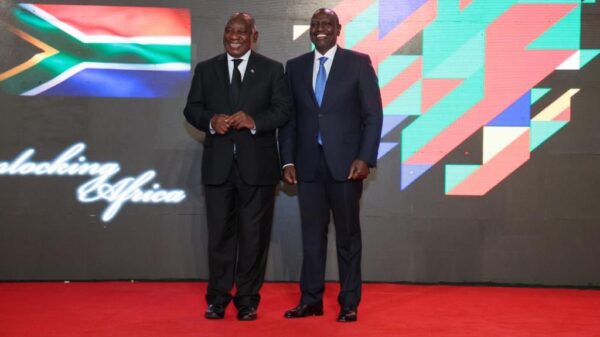


NAIROBI, Kenya, Aug 8 – President William Ruto has formed a team that will coordinate the compensation of protest victims.
In a presidential proclamation on Friday, civilians and security personnel who suffered injuries or lost their lives during demonstrations and public protests in Kenya since 2017 will be compensated.
The head of state pointed out that the initiative aims to balance constitutional freedoms with civic responsibility, while addressing the human and economic costs of political unrest.
“The Constitution guarantees the right to demonstrate and picket, but some protests have regrettably turned violent, resulting in bodily harm and loss of life,” the statement read.
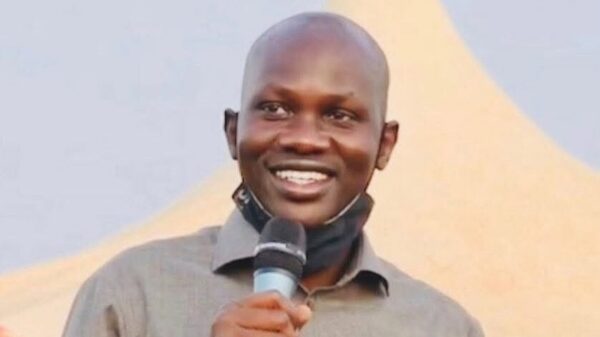
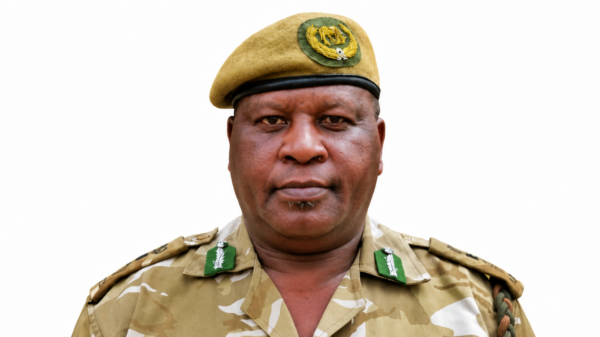
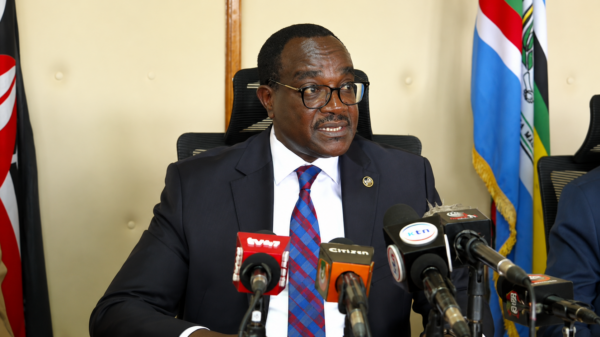
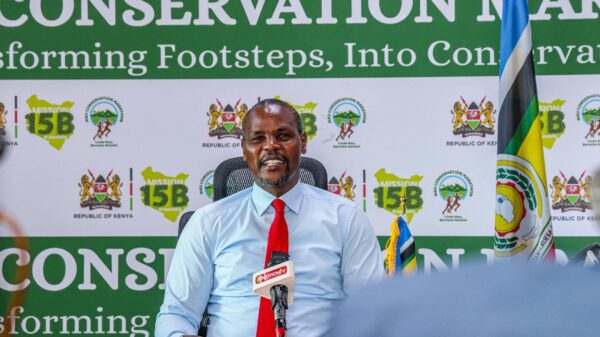
The Senior Advisor on Constitutional Affairs and Human Rights Makau Mutua has been named the principal coordinator of the exercise.
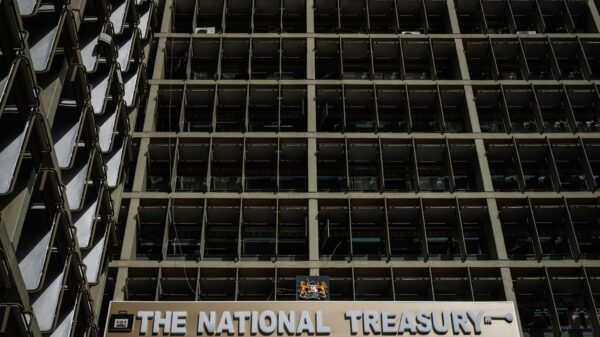
The 120-day programme will be coordinated by the Executive Office of the President in collaboration with the Office of the Attorney General, the Ministry of Interior and National Administration, the National Treasury, and other relevant state agencies.
The new mechanism will provide a structured approach for identifying victims, assessing claims, and disbursing compensation.
The announcement comes weeks after deadly anti-government demonstrations over tax hikes and governance concerns, which saw dozens killed and hundreds injured.
In the aftermath of the August 2017 elections, heavy-handed policing resulted in at least 33 confirmed deaths with another 17 suspected but unverified.
Many died from police gunshots or related causes such as asphyxiation due to the improper use of tear gas, and injuries from trampling during panic.
During the protests between March and July 2023, Human Rights Watch documented 31 unlawful killings by police across multiple counties, including Nairobi, Kisumu, and Nakuru. Among the victims were unarmed protesters, bystanders, and two children who died from tear gas exposure. Serious injuries included gunshot wounds, beatings, and wounds from machetes or other weapons.
Violent protests against tax legislation in June–July 2024 saw a devastating toll. The Kenya National Commission on Human Rights (KNCHR) reported at least 39 deaths and 361 injuries, amid cases of enforced disappearances and widespread arrests . The storming of Parliament on June 25 triggered even more violence nineteen people were killed and over 200 injured when police opened fire on demonstrators. Multiple buildings, including Parliament, were invaded and set ablaze.
The protests ignited by the death of blogger Albert Ojwang in July led to injuries and death.
In mid-July, 65 people had died and more than 553 were injured nationwide. The unrest included a particularly brutal episode on Saba Saba Day (July 7), when heavy-handed dispersal saw 41 people killed including a 12-year-old girl struck by police gun inside her home and dozens of injuries, including security personnel .