
















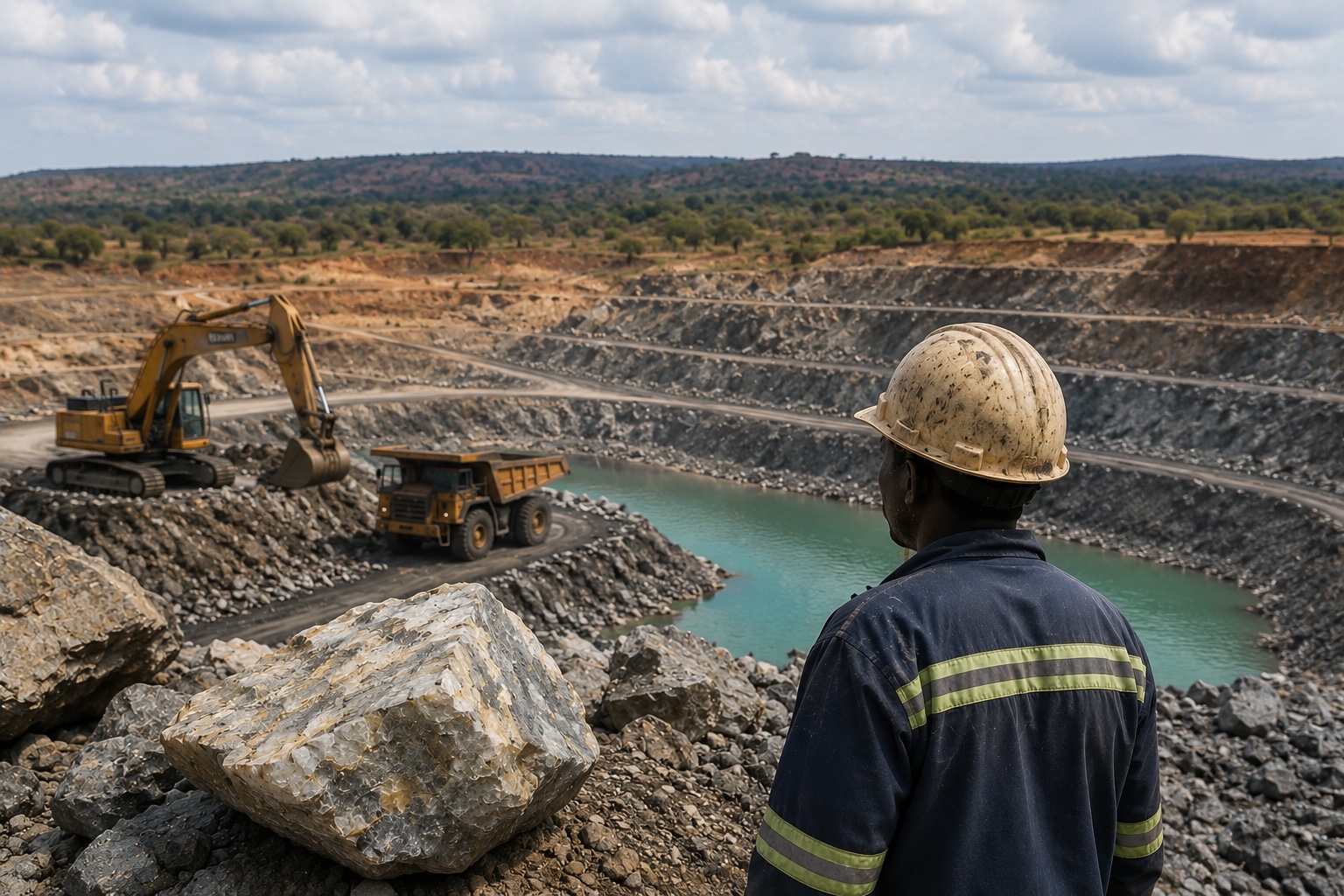

China’s growing dominance in Zimbabwe’s lithium sector is attracting increasing scrutiny amid allegations of environmental destruction, labour abuse and mineral smuggling linked to Chinese mining companies operating in the southern African country.
A recent report by the Select Committee on China of the US House of Representatives claims that Chinese firms now control nearly 90 percent of Zimbabwe’s lithium reserves, raising concerns over exploitation of local communities and weak regulatory oversight.
The report argues that corruption and governance gaps have enabled some companies to operate with little accountability, exposing workers to dangerous conditions while causing significant environmental damage.
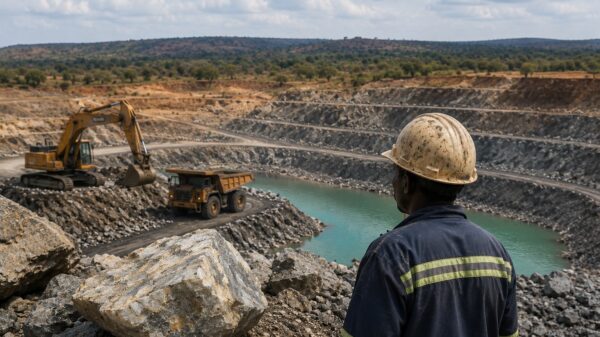
Communities living near lithium mining areas have complained of water contamination, groundwater depletion and hazardous dust pollution linked to mining activities.
Residents of Shurugwi earlier this year petitioned Zimbabwe’s Parliament to intervene over what they described as environmental destruction, public health risks and human rights violations associated with an open-pit mine operated by a Chinese company.
The petition, supported by the Harare-based Centre for Natural Resource Governance, accused mining operators of unsafe practices involving toxic chemicals and heavy metals that allegedly contaminated the Mutevekwi River and damaged biodiversity.
Community groups also alleged that local grievance mechanisms remain ineffective and that some mining companies bribe officials and law enforcement officers to bypass regulations and continue exporting lithium products despite government restrictions.
Zimbabwe has increasingly moved to tighten control over its lithium industry, recognising the strategic value of the mineral in the global electric vehicle and battery supply chain.
Although Harare had initially planned to ban exports of lithium concentrate beginning in January 2027, authorities accelerated the ban to 2026 amid growing concerns over underreporting of production figures and widespread smuggling.
The government now aims to promote domestic refining and processing of lithium to create local jobs, increase value addition and position Zimbabwe as a regional lithium processing hub instead of merely exporting raw materials.
China remains the world’s largest producer of lithium batteries and one of the biggest refiners of the mineral globally, making Zimbabwe strategically important to Beijing’s clean energy ambitions.
Chinese companies have invested heavily in Zimbabwe’s mining sector, including processing facilities for lithium-rich minerals such as spodumene and petalite.
However, investigations suggest that despite the establishment of local processing plants, large quantities of raw lithium ore continue to leave the country illegally.
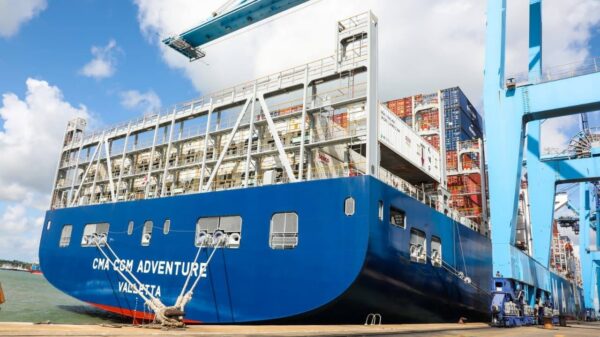
The export restrictions are expected to affect China significantly, as it accounts for nearly 90 percent of Zimbabwe’s lithium exports.
Analysts believe Zimbabwe’s tougher stance may inspire other resource-rich African nations to demand greater local value addition, environmental protections and employment guarantees from foreign mining companies.
The developments are also drawing the attention of Western powers seeking to reduce dependence on China for critical minerals used in electric vehicles, renewable energy technologies and advanced manufacturing.
Zimbabwe has already begun exploring broader partnerships in lithium mining and processing with countries including the United States.
Washington has in recent years intensified efforts to secure alternative supply chains for critical minerals through initiatives such as the Minerals Security Partnership, which also includes India and several Western allies.
The evolving competition over Zimbabwe’s lithium reserves reflects the growing geopolitical significance of critical minerals in the global transition toward green energy and advanced technologies.