












NAIROBI, Kenya, Feb 4 — The United States Africa Command (AFRICOM) says it is intensifying cooperation with African partners to confront a growing terrorist threat, increasingly linking security efforts with economic development and long-term regional stability.
Speaking during a digital press briefing, AFRICOM Commander Gen. Dagvin R.M. Anderson said militant groups affiliated with ISIS and al-Qaida continue to expand their reach in parts of East, West, and North Africa, driving renewed focus on joint operations, training, and intelligence-sharing.
Anderson warned that the extremist threat across the continent is evolving and cannot be addressed by any single nation.
“The sergeant major and I just visited East Africa, where we met leaders in Ethiopia, Kenya, and Djibouti to discuss how to address al-Shabaab in particular, but also ISIS and the growing connections of the Houthis into that region,” he said.
“Everyone concurred that it has to be done together. We are looking at ways to work with our partners across the region to increase pressure on these terrorist groups that are creating disruptions across the continent.”
He emphasized that AFRICOM’s approach centers on partnerships, with African forces leading operations on the ground rather than unilateral US action.
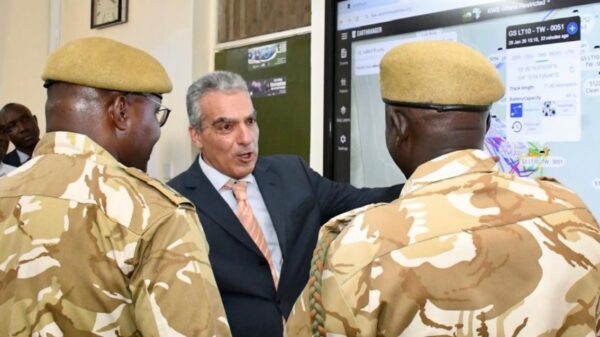
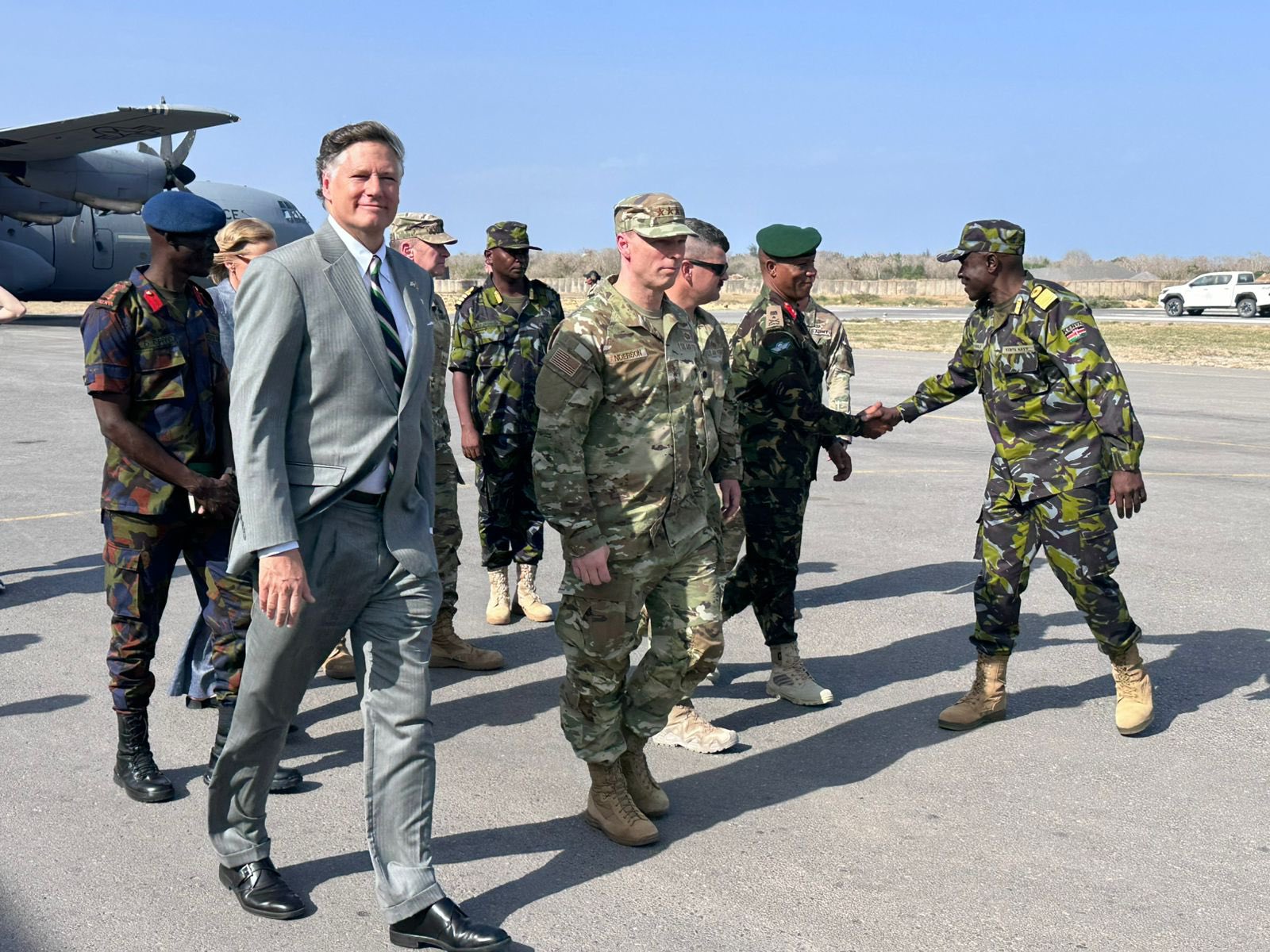
Anderson and AFRICOM Command Senior Enlisted Leader Sgt. Maj. Garric Banfield recently toured Ethiopia, Kenya, and Djibouti, where counterterrorism cooperation dominated discussions. Talks focused on al-Shabaab and emerging links between extremist networks, arms flows, and broader regional instability.
In Somalia, Anderson defended increased US airstrikes in support of local forces, describing them as providing “unique capabilities” that help sustain pressure on ISIS elements, including in mountainous strongholds in Puntland.
The operations are intended to enable Somali forces to hold territory and degrade militant leadership.
Manda Bay runway upgrade
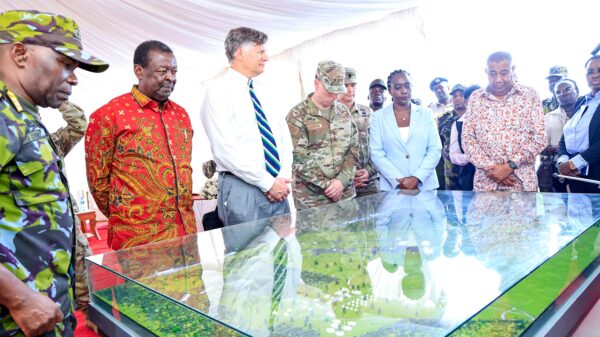
In Kenya, Anderson attended a groundbreaking ceremony for a new runway at Manda Bay, a project jointly supported by Nairobi and Washington.
US officials say such infrastructure strengthens security operations while supporting long-term economic activity along key trade corridors.
AFRICOM is also expanding maritime domain awareness efforts, helping coastal states monitor territorial waters, disrupt weapons smuggling, and combat piracy and illegal fishing—activities often linked to extremist financing networks.
The command expressed concern over worsening insecurity in West Africa and the Sahel, where groups linked to al-Qaida and ISIS are advancing toward coastal states along the Gulf of Guinea.
Anderson cited deepening cooperation with Nigeria—including intelligence collaboration and specialized US support teams—as a model for “capable and willing partnerships,” with similar engagement planned for other countries facing cross-border militant threats.
International coordination is also increasing through forums such as the Aqaba Process, which has recently focused on terrorism in West Africa.
A key pillar of AFRICOM’s strategy is multinational military exercises designed to improve interoperability and readiness.
These include African Lion, Justified Accord, Cutlass Express, and Flintlock. Banfield said such drills are critical because multinational operations are “extremely complex” and require consistent practice to ensure forces operate effectively together.
A recurring theme in the briefing was the connection between security, stability, and economic growth. Anderson said secure environments attract investment, which supports prosperity and reduces the conditions extremist groups exploit.
AFRICOM is increasingly coordinating with US civilian agencies and African governments to align security cooperation with broader development initiatives, including transport corridors and infrastructure projects.
“Security leads to stability; stability creates opportunities for investment; and that investment creates prosperity,” Anderson said, describing a more holistic approach to U.S.-African engagement.