




























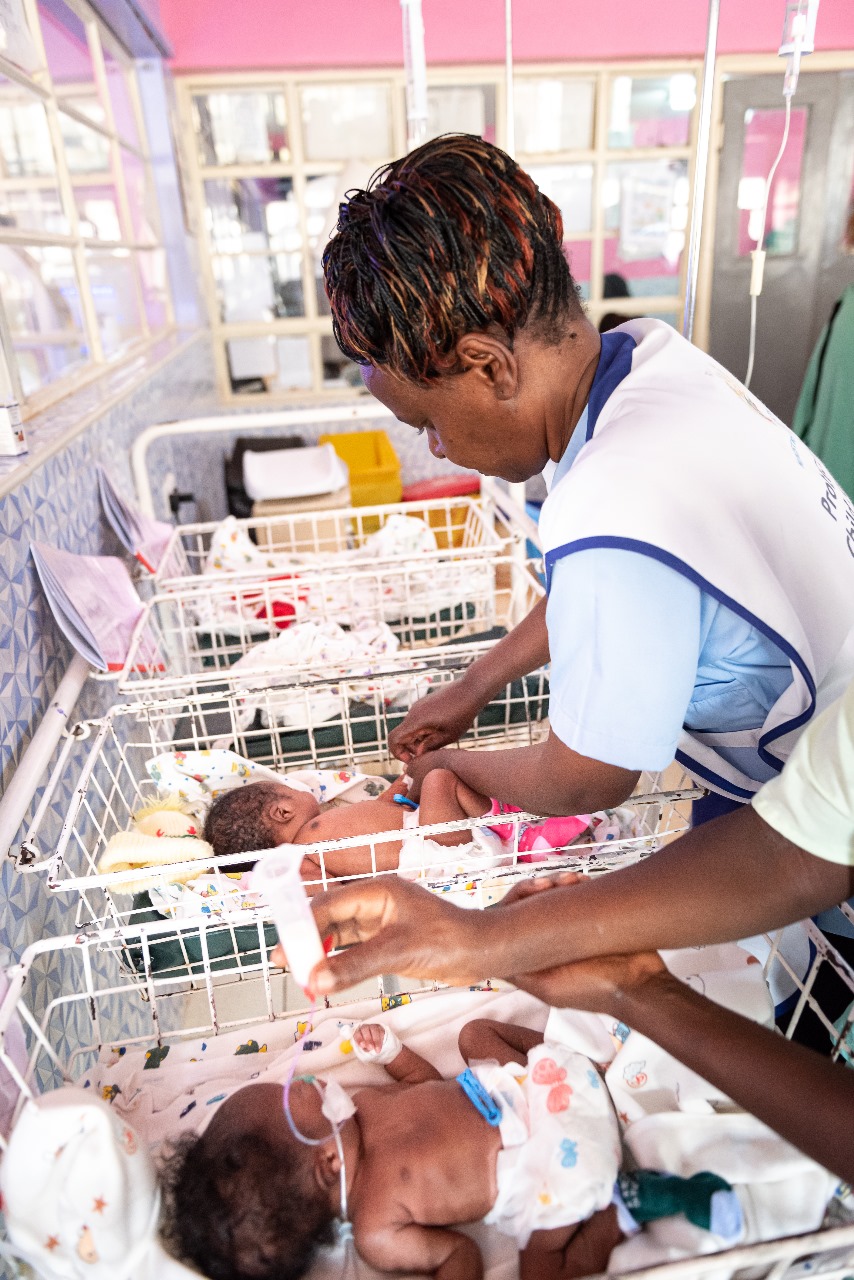

NAIROBI, Kenya, Aug 16 – A new study has revealed that severe nurse shortages in public hospitals, particularly in newborn units, are crippling efforts to provide quality care for sick and premature babies.
The study, Harnessing Innovation in Global Health for Quality Care (HIGH-Q), found that nurses in these facilities were able to deliver only a third of the required care, leaving each nurse with as little as 30 minutes per baby during a 12-hour shift—far below international standards. In some hospitals, nurses were responsible for more than 25 newborns per shift.
Researchers noted that neonatal nurses carry the burden of monitoring, feeding, administering medications, maintaining hygiene, and managing emergencies for both mothers and babies.
However, excess patient loads and poor staffing have fueled burnout and stress, leading to gaps in care.
Mothers surveyed also reported stress and confusion due to poor communication, while infrastructural weaknesses such as overcrowded wards, repurposed buildings, and lack of private spaces further compromised hygiene, safety, and emotional well-being.
The research, funded by the UK’s National Institute for Health and Care Research (NIHR) and carried out by the KEMRI-Wellcome Trust Research Programme in partnership with the Kenya Paediatric Research Consortium (KEPRECON) and the University of Oxford, tested three interventions: adding more nurses, introducing ward assistants to handle routine tasks, and training nurses in communication skills. All three improved outcomes, but staffing levels remained the most critical barrier.
“Put simply, it will be hard to advance quality of care to the level we all want to see without improving nurse staffing and the wards in which doctors, nurses, and mothers must all work together,” said Prof. Mike English, the study’s principal investigator.
KEMRI Director General Prof. Elijah Songok said the findings will be fundamental in strengthening hospital capacity to reduce neonatal deaths and advance Universal Health Coverage.
“We must strengthen our workforce, improve hospital environments, and ensure every newborn receives the quality care they deserve. The good news is that the government, through the Ministry of Health, is taking decisive steps using the very solutions identified by this research,” he said.
The study was conducted in eight county hospitals within the Clinical Information Network, where the Newborn Essential Solutions and Technologies (NEST 360°) Programme has been implemented.