




















NAIROBI, Kenya, June 2 – The International Trade Centre (ITC) has partnered with Equity Group Holdings to unlock trade finance and scale exports across East Africa’s high-potential sectors, in a move aimed at strengthening inclusive industrial growth and regional value chains.
The two institutions signed a memorandum of understanding to drive commercially viable development across Kenya and the wider region, with initial focus on coffee, leather and creative industries three sectors seen as critical for export expansion and job creation.
The agreement combines ITC’s global trade development expertise with Equity Group’s extensive financial footprint across East Africa, anchored on its Africa Recovery and Resilience Plan (ARRP), a six-pillar strategy targeting agriculture, manufacturing, MSMEs, technology and social impact investment.
Equity Group currently operates in Kenya, Uganda, Tanzania, Rwanda, South Sudan and the Democratic Republic of Congo, giving the partnership a wide regional platform for scale.
ITC Executive Director Pamela Coke-Hamilton said the initiative is designed to bridge long-standing financing and skills gaps constraining small businesses’ access to global markets.
“We know that access to finance is critical for small businesses but it has to be matched with the right skills to use it effectively. That’s why we’re partnering with Equity Bank to ensure small businesses across East Africa can tap both financing and trade expertise to move up the value chain and compete in global markets, from leather to the creative industries.”
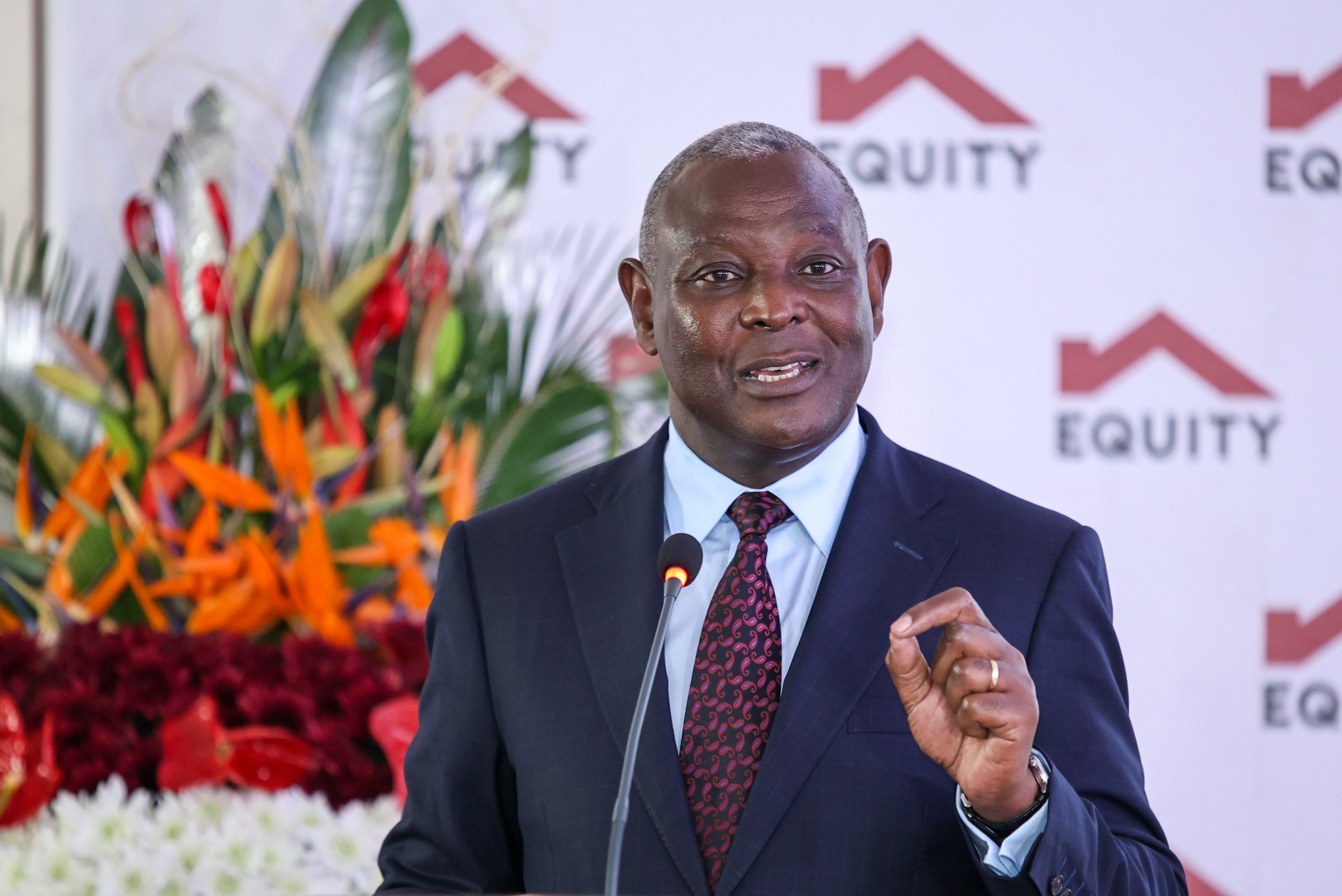
On Equity’s side, Managing Director and Chief Executive Officer James Mwangi said the collaboration is expected to accelerate MSME growth by integrating financing with trade intelligence and market access.
“This partnership reflects our shared commitment to unlocking the immense potential within Africa’s value chains by connecting entrepreneurs, producers and creatives to regional and global markets,” he said.
“Through our Africa Recovery and Resilience Plan, we are intentionally investing in sectors that create jobs, expand exports and drive inclusive economic transformation.”
The partnership will begin with a pilot phase in Kenya running through December 2026 before scaling to other East African markets from 2027.
Under the agreement, coffee sector interventions will build on the EU-funded Market Access Upgrade Programme (MARKUP II), with ITC set to deliver training between June and September 2026 on export logistics, price risk management, specialty coffee quality and processing techniques.
Producers will also be supported to comply with the European Union Deforestation Regulation (EUDR), a key requirement for coffee and leather exports into the EU market.
In the leather value chain, the initiative will support the midterm review of the East African Community Leather and Leather Products Strategy 2020–2030, with a focus on boosting regional value addition.
Planned activities include footwear design coaching for MSMEs, harmonization of standards across EAC partner states and expanded access to e-commerce platforms such as Etsy, eBay and Shopify.
The creative economy spanning music, film, gaming, digital media, fashion, performing arts and crafts will be supported through sector mapping, market assessments, business development services and tailored financing models designed to scale creative enterprises.
Across all three sectors, participating businesses will also access ITC trade intelligence tools and the SME Trade Academy, aimed at strengthening export readiness and competitiveness among small and medium enterprises across the region.