




























NAIROBI, Kenya, June 2 – The government is considering budgetary allocations to clear part of the more than Sh12 billion VAT refund backlog owed to flower exporters while pursuing structural tax reforms aimed at ending the recurring cycle of refund claims that has weighed on the sector for years.
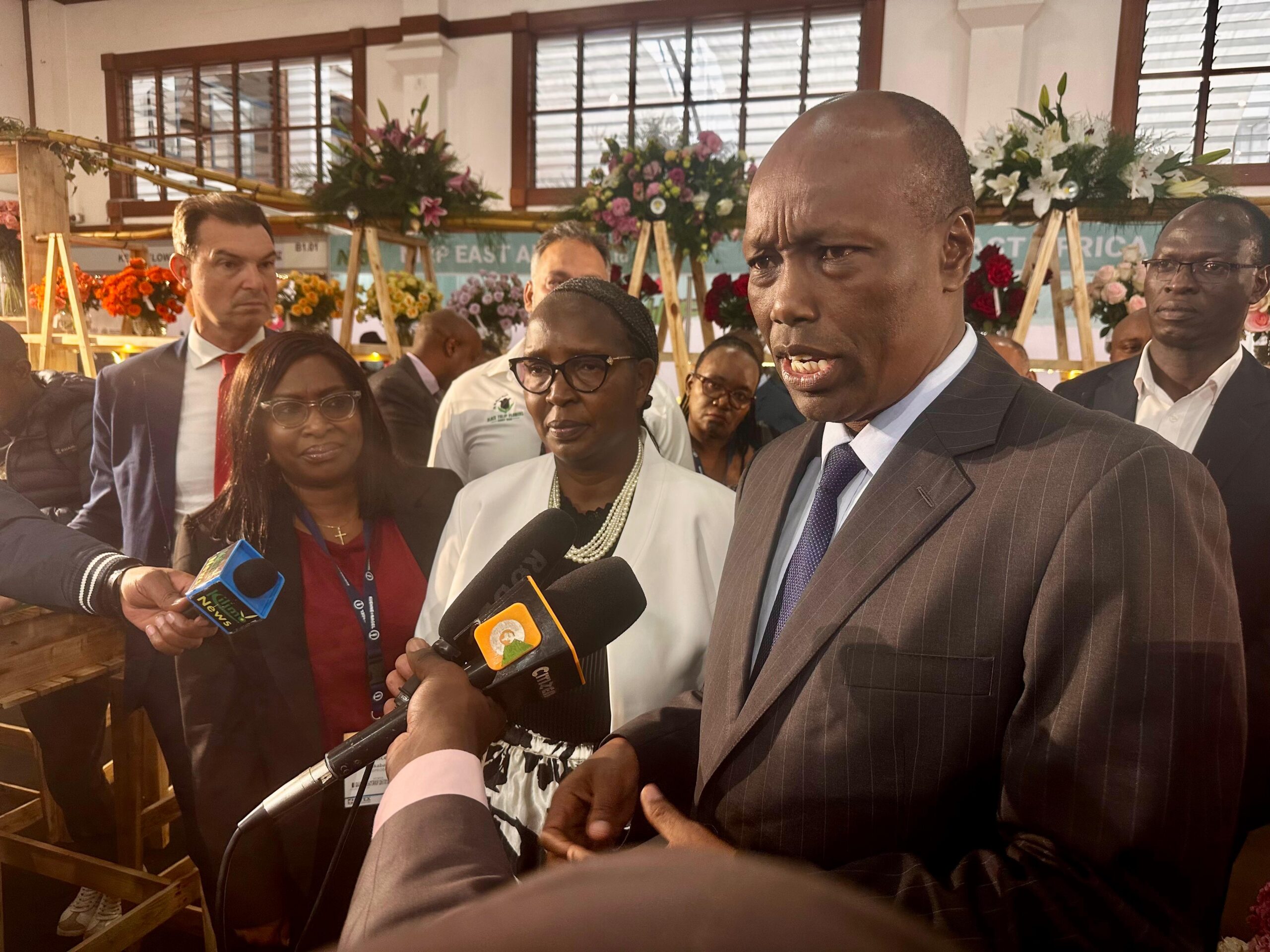
Speaking on the sidelines of the International Floriculture Trade Exhibition (IFTEX) currently underway in Nairobi, Trade and Investment Cabinet Secretary Lee Kinyanjui acknowledged that delayed VAT refunds remain a major challenge for Kenya’s floriculture industry.
According to Kinyanjui, the government was working with stakeholders to address both the historical arrears and the broader tax framework affecting exporters.
The move comes as flower growers continue to press for the settlement of outstanding tax refunds, which industry players say have strained cash flows, delayed expansion plans and undermined the sector’s competitiveness in global markets.
The Kenya Flower Council has previously estimated that flower farms are owed more than Sh12 billion in VAT refunds.
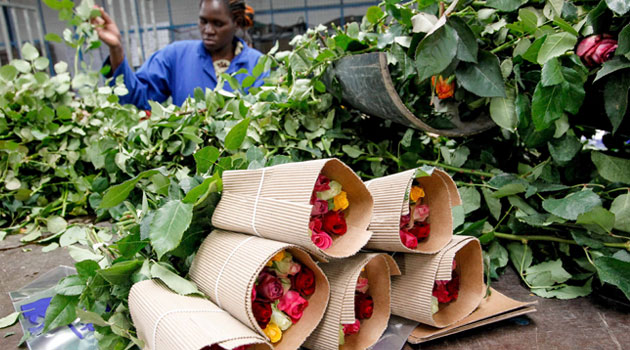
Kenya’s flower industry is one of the country’s largest export earners. According to the Kenya Flower Council (KFC), the sector contributes about 1.6 percent of GDP, accounts for roughly 18 percent of export earnings, and supports over two million livelihoods.
Delayed VAT refunds, the sector maintains, affect investment, expansion, and working capital across the value chain.
Kinyanjui said the government had recognized the urgency of the matter and was seeking a solution that addresses both the accumulated backlog and the structural weaknesses that continue to generate refund claims.
“We acknowledge that the VAT refund is a major problem. But acknowledging the problem is the first stage in solving it.”
“The proposal by the ministry in consultation with stakeholders is, first of all, to provide for funds to do the backlog refunds.”
Kinyanjui said the government is considering reforms to the VAT regime affecting exporters, noting that the current framework creates an unsustainable cycle where firms continually accumulate refund claims because export sales do not attract output VAT.
He averred that addressing the underlying tax structure would provide a more permanent solution than relying solely on periodic refund payments.
“When they sell to the export market, they don’t get anything. So there’s a permanent cycle of refunds that is not sustainable.”
The flower industry remains a major source of foreign exchange earnings and employment, competing against producers in countries such as Ethiopia, Colombia and Ecuador.
Kinyanjui said Kenya cannot afford to disadvantage its exporters through inefficiencies that do not exist in competing markets.
He added that discussions between government and industry stakeholders were progressing positively and expressed optimism that a solution could emerge in the near term.
Kinyanjui, however, declined to disclose how much the government may allocate towards settling the outstanding claims, saying it would be inappropriate to discuss budget provisions before the national budget is formally tabled.
He added that engagements were ongoing and hinted at potential progress in the coming weeks.