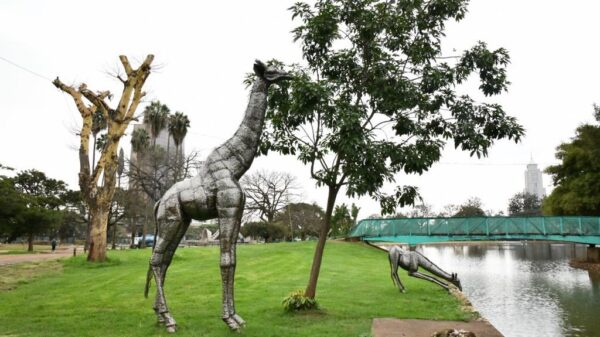


























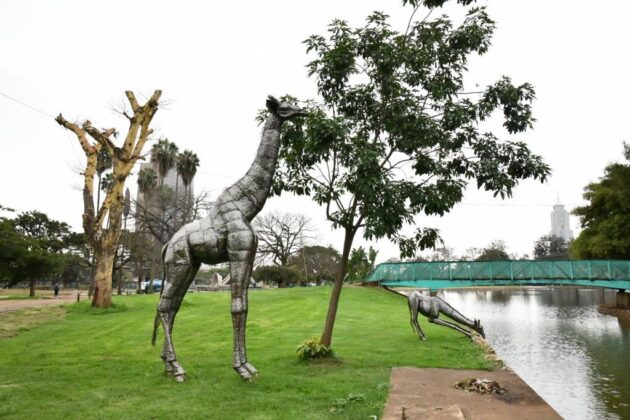

NAIROBI, Kenya, June 2–The Green Belt Movement (GBM) has raised concerns over reported plans to excise portions of two of Nairobi’s most iconic public green spaces; Uhuru Park and Central Park; to pave way for the expansion of Uhuru Highway, warning that early groundwork, including the placement of survey beacons, may already be underway.
GBM in a statement cautioned that any attempt to reduce or alter the use of the parks would represent a major setback for urban environmental protection, citing risks to biodiversity, public health, and climate resilience.
The organization stressed that both parks are protected public land under the Constitution and held in trust for present and future generations.
The group argued that the reported developments come amid growing pressure on Nairobi’s green spaces from infrastructure expansion and commercial interests, warning that continued encroachment could undermine the city’s environmental sustainability agenda.
GBM has called on key government institutions including the Kenya National Highways Authority (KeNHA), Nairobi City County Government, the National Land Commission (NLC), the National Environment Management Authority (NEMA), and the Ministries of Roads and Lands to publicly disclose whether any approvals, feasibility studies, environmental assessments, or public participation processes have been initiated.
The movement also questioned whether legal procedures required for any land excision including approval by the county assembly, environmental impact assessment licensing, and gazettement had been undertaken, insisting that constitutional provisions on public participation must be strictly followed.
GBM warned that Nairobi’s green spaces remain under threat despite their historical and cultural significance, noting that Uhuru Park remains a symbol of environmental justice championed by the late Wangari Maathai.
Likewise, the organization raised concern over restricted access to Central Park despite previous court directives ordering its reopening, calling for urgent accountability in the management of public recreational land.
GBM has urged Kenyans, civil society groups, and environmental defenders to remain vigilant, warning that it will pursue all legal and advocacy avenues to safeguard the parks if necessary.