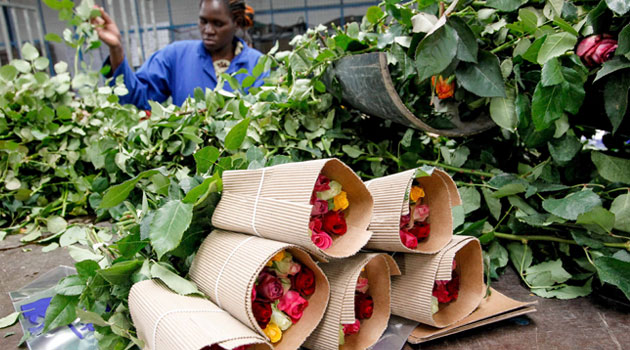






























NAIROBI, Kenya, May 26-Kenya’s flower industry is pushing for tax relief and faster government support measures, warning that rising levies under the proposed Finance Bill 2026 could worsen pressure on growers already grappling with export disruptions linked to the Middle East conflict.
According to the Kenya Flower Council, the industry is losing an estimated Sh200 million daily as the ongoing Iran conflict disrupts cargo logistics to key export destinations, including the United Arab Emirates, one of Kenya’s emerging flower markets.
The lobby now says the tax burden facing growers’ risks compounding an already fragile operating environment, with producers struggling with declining revenues, disrupted supply chains and rising input costs.
Kenya Flower Council Membership Engagement and Communications Head Lina Jamwa said growers are concerned about the number of taxes and levies imposed on the sector, even as the government seeks to raise more revenue through the Finance Bill.
“We did a check and we found an average farm has about 56 levies in taxes that they pay to the government of Kenya.”
“We’ve been working with the government, lobbying and just seeing how this can be reduced, or some reprieve can be given to the industry.”
Her remarks come as Parliament reviews the Finance Bill 2026, which has triggered concerns among businesses over the possibility of higher operating costs at a time when firms are already facing tight liquidity and weak global demand.
The flower industry, one of Kenya’s leading foreign exchange earners, says the combination of geopolitical shocks and domestic tax pressure is hurting cash flow across farms, forcing some exporters to seek alternative markets in Africa and Europe after shipments to the Gulf region were disrupted.
Jamwa noted that the industry is also seeking faster disbursement of government-backed support funds to ease liquidity constraints among growers.
The council, however, welcomed proposals in the Finance Bill touching on packaging materials, saying the sector has struggled with the cost of importing quality packaging due to a 25 percent levy.
The industry argues that inadequate or substandard packaging affects flower quality during transportation, reducing the competitiveness of Kenyan exports in international markets.
Growers say lowering the cost of imported packaging materials could help maintain export quality standards while cushioning the sector from escalating production costs.