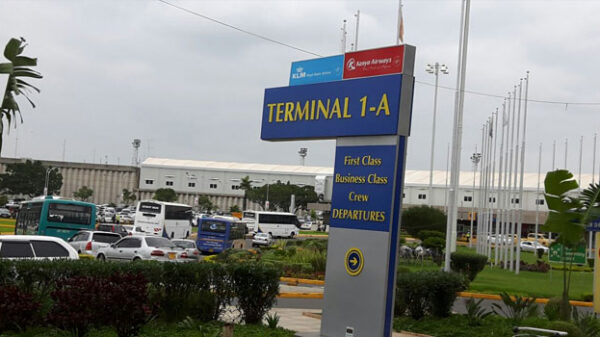



























NAIROBI, Kenya, June 2 – Kenya is positioning the expansion of Jomo Kenyatta International Airport (JKIA) and the revitalization of Kenya Airways (KQ) at the center of a broader strategy to strengthen its dominance in the global floriculture market, Trade and Investment Cabinet Secretary Lee Kinyanjui has said.
Speaking during the opening ceremony of the International Floriculture Trade Exhibition (IFTEX) 2026, Kinyanjui said reforms targeting aviation and logistics infrastructure are critical to improving export competitiveness for Kenya’s flower industry, which serves markets across Europe, Asia, the Middle East, and parts of Russia.
He added that efficiency in air cargo handling, lower logistics costs, and expanded freight capacity will determine how far Kenya can grow its global market share.
“We see a bright feature for Kenya, and we believe that we align the small infrastructure challenges, including the expansion of the JKIA, the revamping of KQ, and also allowing other freighters to be part of the evacuation of our cargo to the other parts of the world, that the industry is going to grow in lips and bounds,” Kinyanjui said.
He noted that the floriculture sector remains a major foreign exchange earner, directly supporting more than 200,000 jobs, with thousands more in indirect employment across the value chain.
The government, he said, is also pushing to open new markets such as the United States in a bid to diversify export destinations and reduce exposure to geopolitical and logistical disruptions.
“As government, I think we are here to assure the investors and the buyers that Kenya is keen to improve on its competitiveness, the options and varieties available from Kenya, and also to open different markets that we haven’t been to, like the US is one market where we’ve not been selling our flowers, and we are working to improve and open that market, so that we can diversify our options.”
Earlier, President William Ruto indicated that the JKIA expansion will proceed under the National Infrastructure Fund, backed by an initial allocation of about Sh38.7 billion sourced from the sale of Kenya Pipeline Company shares.
The project has been designated as the first major undertaking under the fund, with physical works expected to begin in 2026, subject to procurement and financing readiness.
The upgrade is aimed at modernizing Nairobi’s aviation hub and enhancing its regional competitiveness.
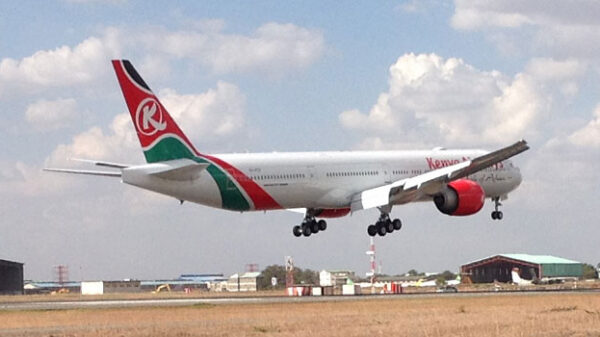
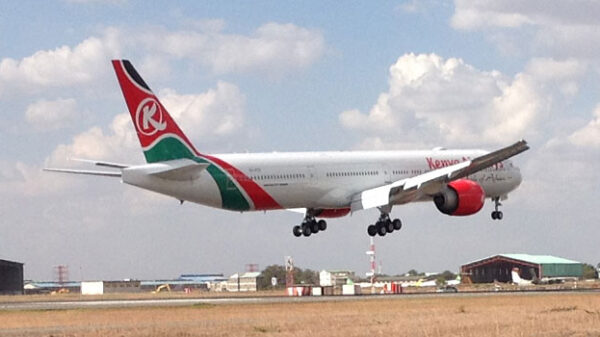
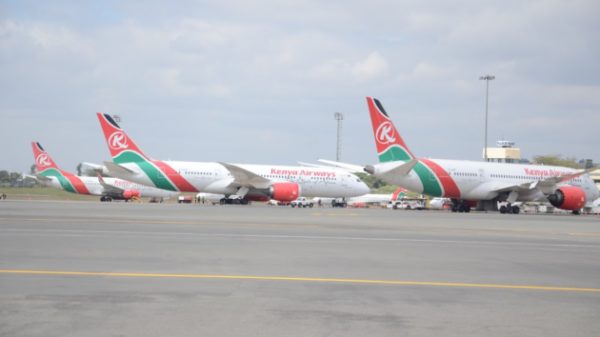
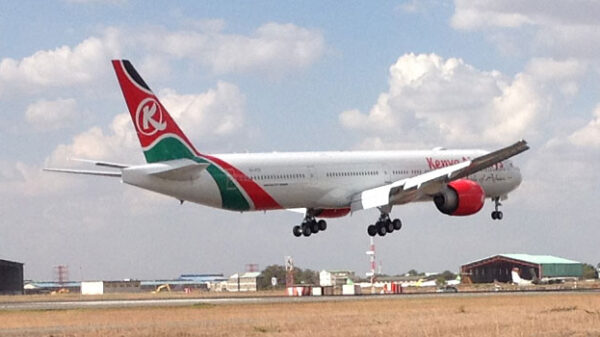
The plans come as Kenya Airways unveiled an ambitious fleet expansion strategy targeting more than 50 aircraft in the next four years and nearly triple that by 2035.
Acting KQ CEO George Kamal said the national carrier currently operates 34 aircraft, including four dedicated to cargo, and will pursue a mix of purchases, leasing, and lease-to-buy arrangements.
The expansion, however, is dependent on securing strategic investors to support its long-term growth plan.
Kinyanjui said coordinated investments in aviation infrastructure, national carrier capacity, and logistics systems will be key to ensuring Kenya retains and expands its position as one of the world’s leading flower exporters.
Kenya currently ranks fourth globally in floriculture exports, but officials believe stronger alignment between government and private sector players could push the country further up the rankings.