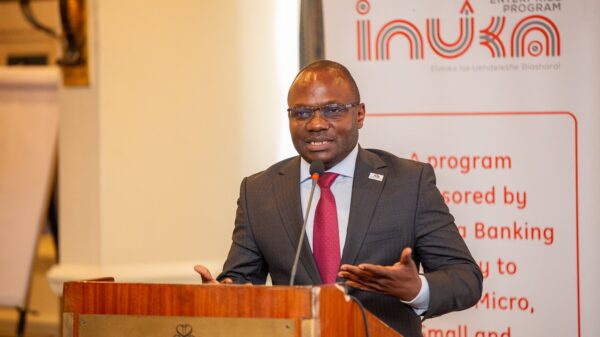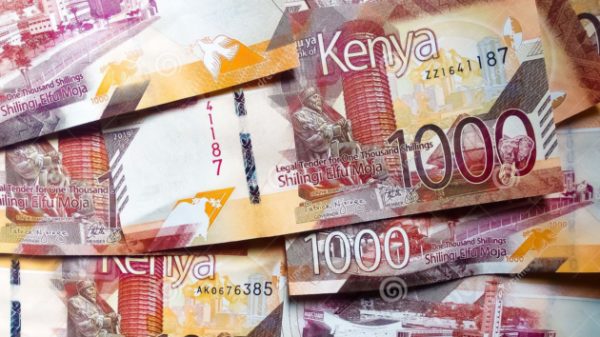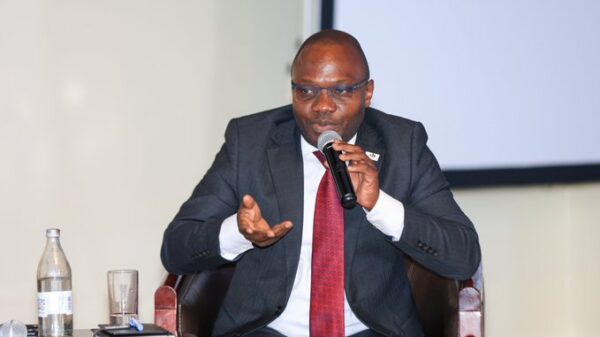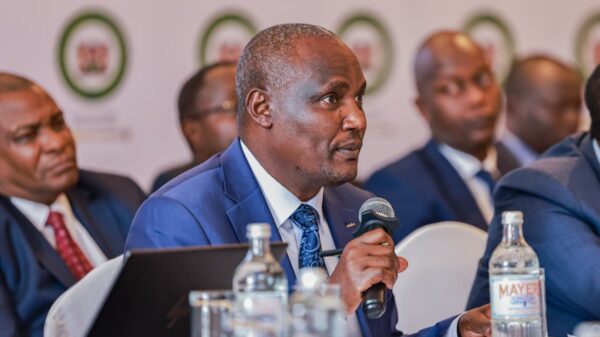












NAIROBI, Kenya Jan 29 – The government is considering reducing Value Added Tax (VAT) from the current 16 per cent to 15 per cent and reviewing income tax rates as part of wider reforms aimed at easing the tax burden on Kenyans, Treasury Principal Secretary Chris Kiptoo has said.
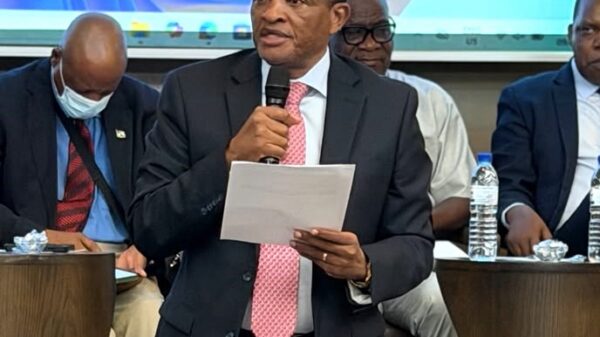
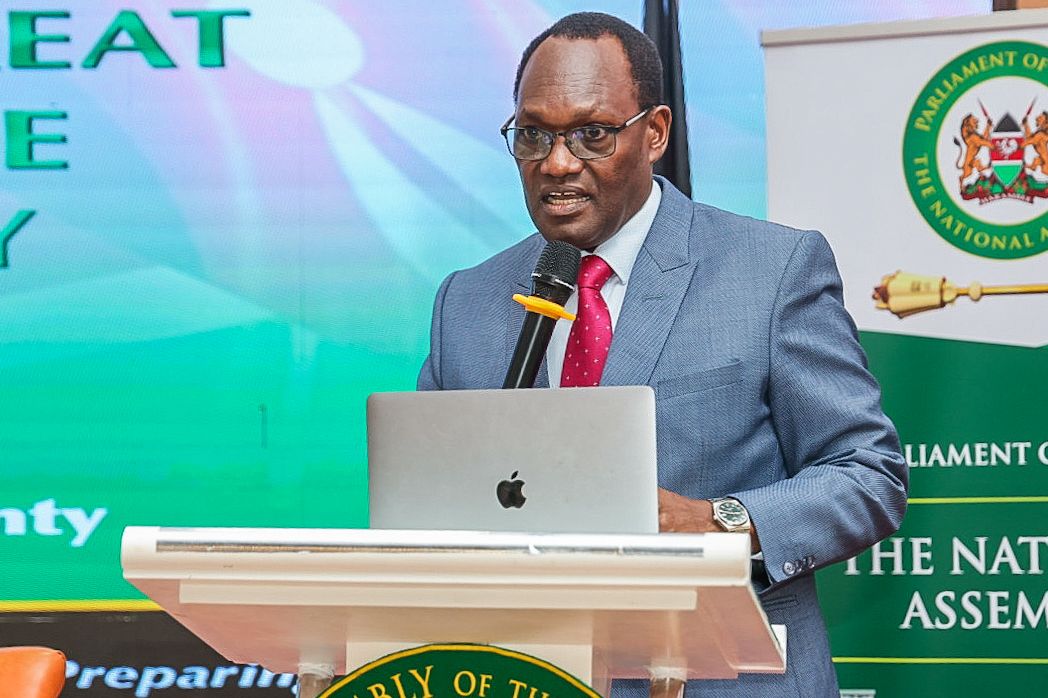
Speaking during a National Assembly leadership summit in Naivasha, PS Kiptoo told lawmakers that the proposed tax reductions are anchored in the government’s National Tax Policy and Medium-Term Revenue Strategy, which focus on simplifying and harmonising tax laws while expanding the tax base.
“Our desire is that if the situation can improve, we want to make sure that tax rates are adjusted downwards. Like VAT should come from 16 to 15. Even income tax can be addressed,” Kiptoo said.
However, he cautioned that lowering taxes without expanding the number of taxpayers would strain government finances, especially at a time when demand for public spending remains high across sectors such as roads, water and social services.
“The challenge is when you adjust downwards and you don’t get a corresponding expansion on the tax base. Yet on the other side of expenditure, everybody wants money for roads, for water. And you go to your constituencies and everyone is asking for resources,” he said.
Kiptoo acknowledged Parliament’s role in passing key revenue-raising measures, noting that recent tax proposals had contributed to public backlash, including the youth-led Gen Z protests witnessed in 2023 and 2024.
“The Gen Z moment came because we were bringing in this problem. We wanted to raise additional revenue. You can see the shrinking space,” he said, referring to fiscal pressures caused by rising public debt and budget deficits.
To compensate for possible reductions in tax rates, the PS said the government is intensifying efforts to improve tax administration and grow non-tax revenue streams. He revealed that Treasury recently held high-level talks with the Kenya Revenue Authority (KRA) on strategies to boost collections without increasing tax rates.
“We are looking at deepening tax administration. Yesterday we had a high-level meeting with KRA trying to see how best they can collect more. We are also scaling up non-tax revenues and looking at innovative financing, including infrastructure funds,” he said.
Kiptoo said the government is pursuing fiscal consolidation by cutting non-essential expenditures and improving efficiency in public spending, although he admitted this remains politically and administratively difficult.
“We try to rationalise what we call non-essential expenditures, but it is very difficult to convince someone that travel or training is not essential. Yet these are always candidates for budget cuts,” he noted.
He said the government is now prioritising completion of ongoing projects rather than launching new ones, in a bid to reduce stalled developments and clear payment backlogs.
“We should not start new projects before we complete existing ones. Our desire is to clear backlogs and make sure ongoing projects are completed,” Kiptoo said.
The PS also defended the frequent use of supplementary budgets, saying economic realities often force the government to revise its spending plans mid-year.
“We would have loved to do one budget, implement it, and bring the next one without coming back to Parliament for supplementary budgets. But when the initial plan is not going the way you want, you must come back to Parliament to seek permission to make adjustments,” he said.
The remarks come as the Kenya Kwanza administration faces mounting public pressure over high taxes, rising cost of living and growing debt repayments, even as it seeks to stabilise the economy and restore fiscal discipline.
The 2026/2027 budget cycle has already commenced with critical scrutiny on the revenue raising measures which has made the Kenya Kwanza regime unpopular in the recent years due to public uproar.