
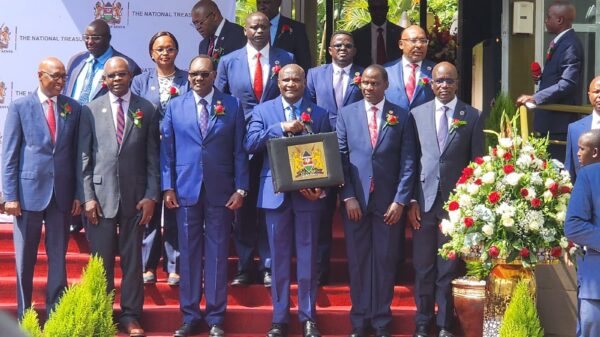





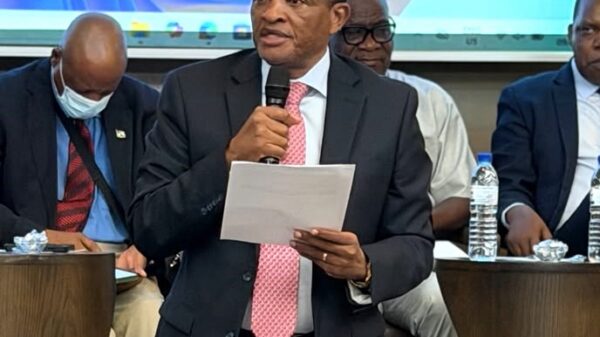














Presenting the 2026/27 Budget Statement in the National Assembly on Thursday, Mbadi said the transition from the now-defunct National Health Insurance Fund (NHIF) to SHA was already yielding positive results in improving access to healthcare services across the country.
According to the Treasury CS, the number of registered beneficiaries has risen significantly from the approximately eight million Kenyans who were previously covered under NHIF.
“Access to healthcare has expanded substantially through far-reaching reforms aimed at strengthening primary healthcare, improving service delivery and ensuring sustainable health financing,” Mbadi told lawmakers.
He said the government has operationalised 228 Primary Care Networks nationwide to enhance access to healthcare services at the grassroots level.
Mbadi further revealed that 107,831 Community Health Promoters have been recruited and trained to strengthen community healthcare delivery, while 16,810 medical interns have been deployed to health facilities across the country.
The reforms form part of the Kenya Kwanza administration’s broader strategy to implement Universal Health Coverage through expanded healthcare financing and stronger primary healthcare systems.
The Treasury Cabinet Secretary also addressed concerns over pending payments owed to healthcare facilities by the defunct NHIF, announcing that the government had allocated Sh4 billion in the current 2025/26 financial year to clear verified claims.
The allocation follows a directive by President William Ruto prioritising settlement of smaller outstanding claims owed to hospitals and healthcare providers contracted under the national insurance scheme.
“The claims earmarked for settlement under this allocation have been duly verified and adjudicated and will be fully paid before the close of this financial year,” Mbadi said.
He acknowledged the role played by public, private and faith-based health institutions in delivering healthcare services and assured providers that the government remains committed to restoring confidence in the health financing system through timely reimbursement of claims.
Mbadi also pledged continued settlement of historical NHIF debts that have affected operations in many healthcare facilities due to delayed payments.
Hospitals and healthcare providers have in recent years raised concerns over unpaid NHIF claims, warning that delayed reimbursements had strained service delivery and financial sustainability.
The government says investments in primary healthcare, community health systems and expanded insurance coverage remain central to improving health outcomes and reducing the financial burden of medical expenses on Kenyan households.
The health sector is among the key beneficiaries in the 2026/27 budget as the government seeks to strengthen healthcare delivery and accelerate implementation of Universal Health Coverage nationwide.