
















NAIROBI, Kenya, June 11-St. George’s University (SGU) School of Medicine is sharpening its focus on Africa’s widening healthcare skills gap, positioning its medical training pipeline as a long-term contributor to physician capacity building across the continent as demand for healthcare professionals continues to outpace supply.
The Grenada-based institution, which is marking its 50th anniversary, says its graduates are increasingly forming part of Africa’s healthcare workforce, with alumni working across hospitals, clinics, public health systems and leadership positions in multiple countries.
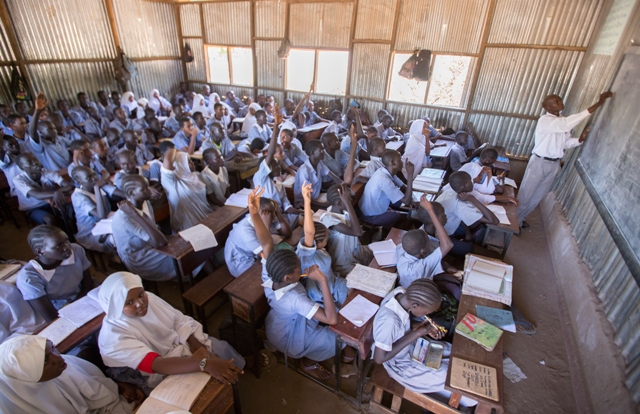
The development comes against a backdrop of persistent doctor shortages across Africa, where health systems continue to face pressure from rising population demand, disease burden and uneven distribution of medical personnel, particularly in rural and underserved areas.
SGU says its model of international medical education and clinical training is designed to feed into global workforce needs, including Africa’s expanding demand for skilled healthcare workers.
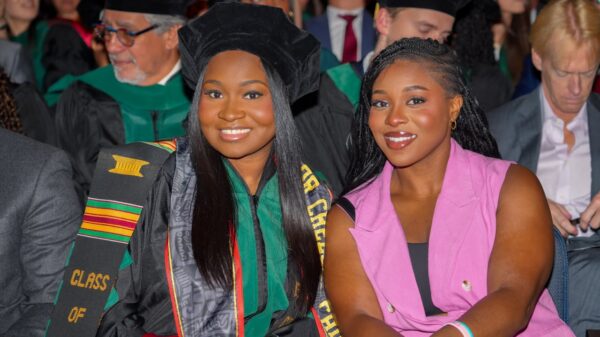
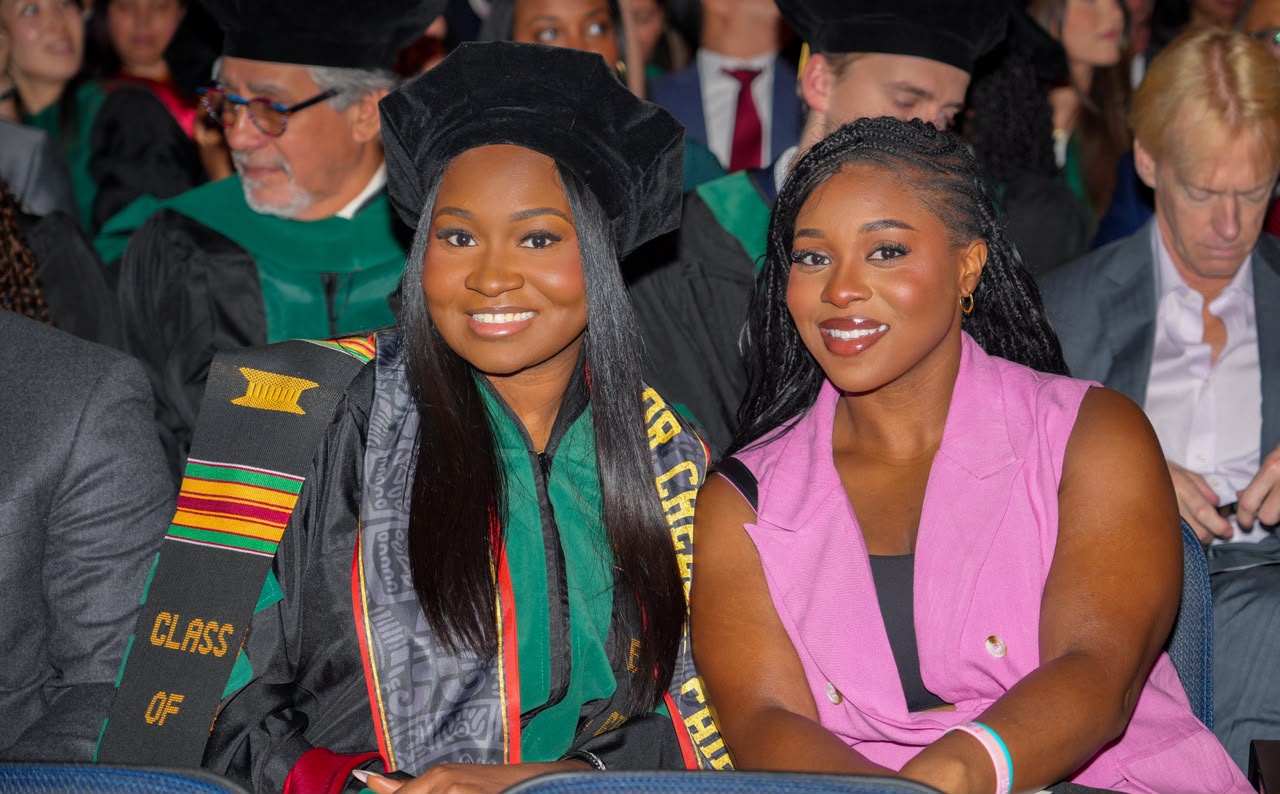
The institution will highlight this pipeline through a regional commencement ceremony scheduled for June 27 in Gaborone, Botswana, bringing together African graduates, healthcare stakeholders and government representatives in what it describes as part of its broader talent development strategy.
Botswana’s Minister of Health, Stephen Modise, an SGU graduate, is expected to deliver keynote remarks, underscoring the role of medical training in producing not only clinicians but also healthcare system leaders within African governments.
“As we celebrate 50 years of St. George’s University, we are proud of the thousands of graduates who are making a difference in communities around the world, including many across Africa,” said Marios Loukas, President and Dean of the SGU School of Medicine.
“This ceremony provides an opportunity to celebrate their accomplishments alongside their families, friends, and mentors, while acknowledging the important contributions they are making to healthcare throughout the continent.”
For many African graduates, the ceremony also reflects a growing trend of diaspora-trained professionals contributing directly to local healthcare systems, amid increased efforts by governments and institutions to close skills gaps in critical sectors such as medicine.
The event is expected to underline the role of international medical schools in complementing domestic training capacity, particularly as African economies seek to strengthen healthcare delivery through expanded human capital development.
As SGU marks five decades of operations, the university says it remains focused on sustaining its medical education pipeline through training pathways and global clinical exposure aimed at producing physicians equipped for diverse healthcare environments, including across Africa.