





























NAIROBI, Kenya, June 1 – Sugarcane farmers and transporters are set to benefit from a major tax shift in the proposed Finance Bill 2026, which aims to reduce transport costs within the sector.
The reforms are being hailed as a significant win for farmers, with the government moving to lower operational costs that have long eaten into profits in the sugar industry.
Under the proposed changes, selected supplies will be shifted from zero-rated Value Added Tax (VAT) status to VAT-exempt status. This includes sugarcane transport services, which will now be fully exempt from VAT.
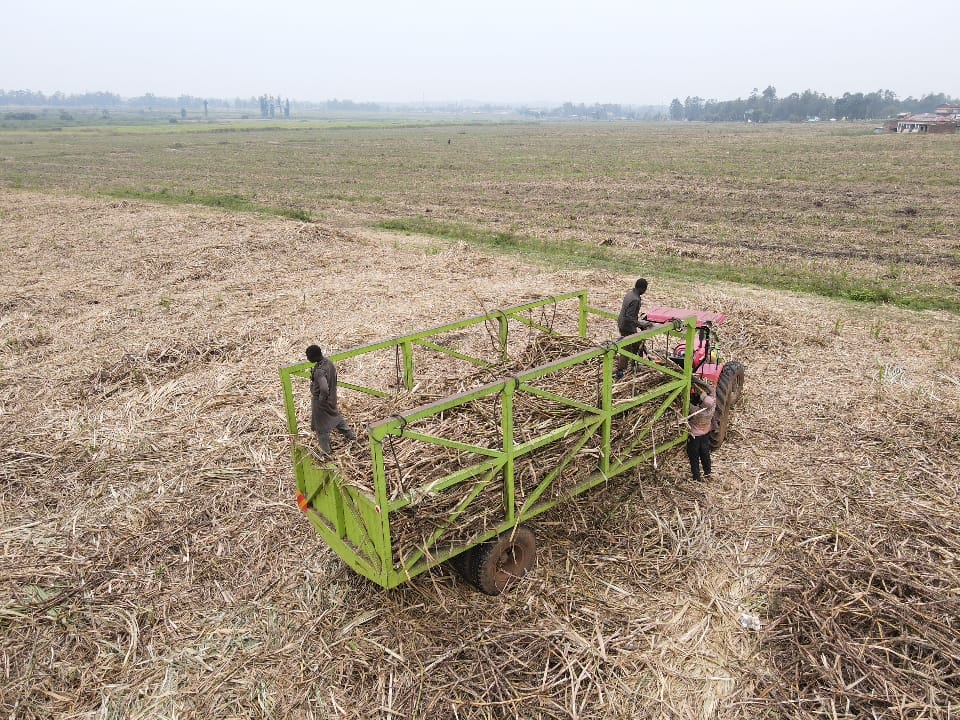
The government says the move is intended to simplify tax administration and reduce compliance costs for transporters, who play a key role in moving sugarcane from farms to factories, directly affecting what farmers earn at the farm gate.
To understand the impact, it is important to distinguish between zero-rated and VAT-exempt supplies.
A zero-rated supply means VAT is charged at 0%. Customers do not pay VAT, but businesses can still reclaim VAT paid on inputs such as fuel, spare parts and maintenance costs.
A VAT-exempt supply means no VAT is charged to customers, and businesses cannot reclaim VAT on their inputs.
In practical terms, sugarcane transporters will no longer charge VAT on their services. For small and medium-sized operators, this is expected to reduce paperwork and simplify compliance, as they will no longer be required to file VAT returns or track input tax claims.
The VAT adjustment comes at a time when the government is pushing wider reforms to revive the sugar industry, which has faced years of financial strain, inefficiencies and high production costs.
By lowering transport costs, stakeholders say more money is likely to remain within the value chain, an outcome expected to indirectly benefit farmers through improved cane pricing and reduced deductions.
The goal is to strengthen the entire sugarcane value chain, from farming and transport to processing and value addition, making the sector more competitive and sustainable.
This reform builds on discussions at the Informa Africa Sugar Conference in April, where Kenya Sugar Board CEO and Chairman of the International Sugar Organisation Jude Chesire outlined a new direction for the industry.
In his keynote address titled “Sweetening the Future,” Chesire called for a shift away from over-reliance on traditional sugar milling towards a broader agro-industrial model.
He noted that the future of sugarcane lies in diversification, especially in ethanol production and renewable energy, which would allow the industry to extract more value from every part of the crop, including by-products once considered waste.
Overall, the Finance Bill’s VAT changes are being seen as a win for farmers and transporters alike. By easing tax pressure and improving efficiency in the supply chain, the government hopes to unlock higher earnings for farmers and support the long-term revival of Kenya’s sugar industry.