























NAIROBI, Kenya, Jan 1 – Project management professionals have called for stronger execution of government projects following the tabling of Kenya’s proposed Sh4.8 trillion budget for the 2026/27 financial year, the largest in the country’s history.
The call comes as the government continues to allocate billions of shillings to infrastructure, housing, healthcare, education, defence and digital transformation projects aimed at driving economic growth and job creation.
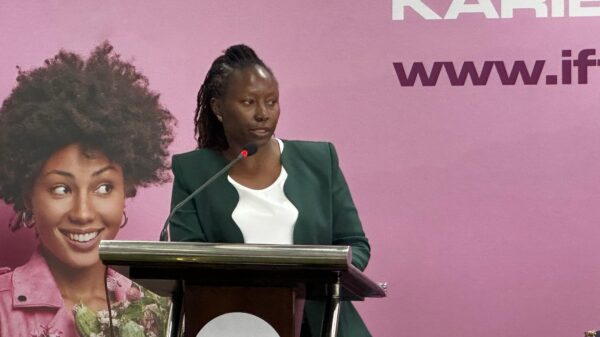
Speaking during the Government and Public Sector Project Management Conference 2026 in Nairobi, PMI Kenya Chapter President Maureen Mbithi Ochang said Kenya’s challenge is no longer the lack of development plans but the ability to implement them effectively.
“Kenya does not suffer from a shortage of vision. We have ambitious policies, national plans, Vision 2030, Bottom-Up Economic Transformation priorities, county integrated development plans, sector strategies, digital blueprints, climate commitments and infrastructure ambitions. The real question before us is this: How do we execute better?” she said.
Her remarks come amid growing concern over stalled public projects across the country. According to the International Monetary Fund, nearly half of more than 1,000 government-implemented projects have stalled, with estimates suggesting close to Sh1 trillion would be required to complete them.
The conference brought together government officials, development partners, infrastructure experts and project management professionals to discuss ways of improving delivery of public investments.
George Asamani, Managing Director for Sub-Saharan Africa at the Project Management Institute (PMI), said governments are increasingly being judged not by policy promises but by their ability to deliver tangible results.
“Citizens are paying closer attention to how quickly projects are delivered, how public funds are used, and whether institutions can translate national priorities into visible improvements in daily life,” he said.
He added that effective project management is becoming critical as governments undertake increasingly complex development programmes. According to PMI’s latest Pulse of the Profession report, projects that manage complexity effectively are five times more likely to succeed.
PMI also projects demand for skilled project professionals across Sub-Saharan Africa to grow by between 56 and 75 percent by 2035, driven by expanding infrastructure and development programmes.
The organisation has called for greater investment in project management capacity within government institutions to improve implementation, reduce delays and maximise returns from public spending.