























NAIROBI, Kenya, June 11 – The government is considering the introduction of Shariah-compliant Sukuk securities as part of efforts to diversify its funding sources and access liquidity from the growing global Islamic finance market.
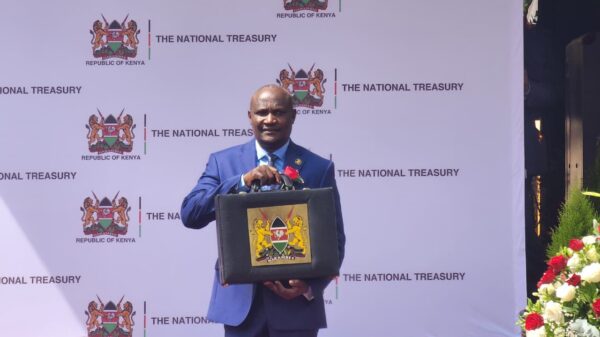
Treasury Cabinet Secretary John Mbadi announced the proposal while presenting the 2026/27 Budget in the National Assembly, saying the move is aimed at broadening Kenya’s investor base and deepening capital markets.
“Complementing these efforts and in recognition of the growing global demand for ethical and faith-based financing, the government is considering the introduction of Sukuk instruments,” Mbadi said.
“These Sharia-compliant securities, which are structured on asset-backed or asset-based principles, will enable the government to access liquidity from Islamic finance markets.”
Sukuk are Islamic financial instruments that comply with Shariah principles, which prohibit the payment or receipt of interest. Instead, investors earn returns from underlying assets or projects linked to the securities.
According to Mbadi, the introduction of Sukuk would attract investors whose mandates require Shariah-compliant investments while supporting financial inclusion.
“This will not only expand the investor base to include investors with Sharia-compliant mandates, but also promote financial inclusion and contribute to the deepening of domestic and international capital markets,” he said.
The proposal comes as the government seeks new financing avenues to fund its growing expenditure requirements.
In the 2026/27 financial year, the government plans to spend about Sh4.8 trillion on recurrent and development expenditures against projected revenues of approximately Sh3.6 trillion.
The gap of about Sh1.2 trillion will be financed through borrowing, underscoring the need for alternative funding sources beyond traditional domestic and external debt markets.
Kenya currently relies on tax revenues collected by the Kenya Revenue Authority (KRA), domestic borrowing through Treasury bills and bonds, external loans, grants and donor support to finance its budget.
The introduction of Sukuk could position Kenya among a growing number of African countries tapping Islamic finance to fund infrastructure, housing and other development projects while attracting capital from investors in the Middle East and other Islamic finance hubs.