





















NAIROBI, Kenya, June 11 – The government plans to introduce a Planning Bill 2026 aimed at strengthening the link between national development plans and budget allocations as part of ongoing efforts to improve public spending and fiscal discipline.
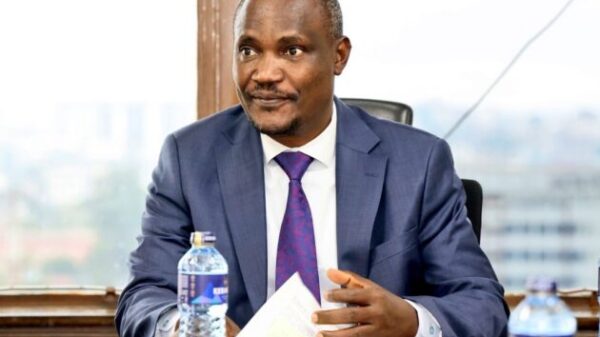
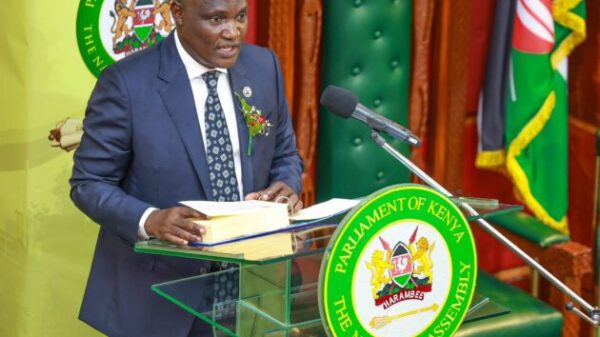
Treasury Cabinet Secretary John Mbadi said the proposed legislation will provide a legal framework for national planning, addressing what he described as a longstanding gap in Kenya’s public finance system.
Speaking ahead of the presentation of the 2026/27 Budget, Mbadi noted that while the country has laws governing public finance management, procurement and asset management, there is no specific legislation guiding national planning.
“I’ve actually been a proponent of proper planning and I have said before that the problem that we have in our budgeting process is that we are not linking plans to budgets,” Mbadi said.
“But we don’t have any law on national planning, and so that is a law that we are going to introduce this year so that we can have proper plans. Because again, if you don’t plan well, then you cannot have a good budget or even a good financial plan.”
The proposed law comes as the government intensifies austerity measures and seeks to improve efficiency in public expenditure amid growing fiscal pressures.
Mbadi is expected to present the 2026/27 Budget to Parliament later Thursday, outlining government spending priorities, revenue measures and borrowing plans for the financial year beginning July 1.
Budget estimates show the National Government plans to spend Sh4.82 trillion in the next financial year, with recurrent expenditure taking the largest share at Sh3.54 trillion.
Development spending has been allocated Sh749 billion, while counties are set to receive Sh428 billion following a revenue-sharing agreement between the National Assembly and the Senate.
A substantial portion of recurrent expenditure will be directed towards salaries, government operations and debt servicing, prompting concerns among economists that relatively lower development allocations could constrain economic growth and infrastructure expansion.
On the revenue side, the Kenya Revenue Authority (KRA) is expected to collect approximately Sh3 trillion, with the Treasury projecting an additional Sh120 billion from tax measures proposed under the Finance Bill 2026.
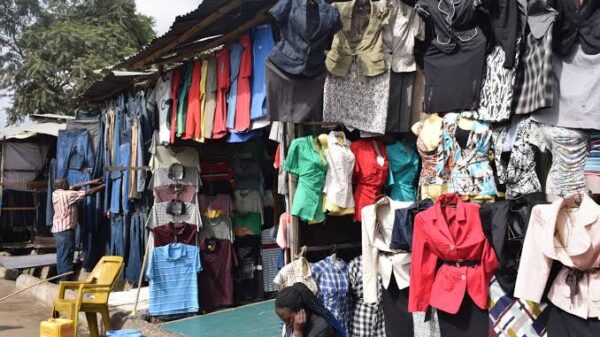
Several proposals in the Finance Bill have already sparked public debate, including changes affecting mobile phones, second-hand clothing imports and the VAT treatment of selected products.
Despite the planned revenue measures, the government is projected to face a budget deficit of about Sh1.17 trillion, which will be financed through borrowing.
Treasury plans to raise about Sh995.7 billion from the domestic market and Sh116.2 billion from external lenders.
Economists have previously cautioned that increased domestic borrowing could crowd out private sector access to credit and limit business expansion.