
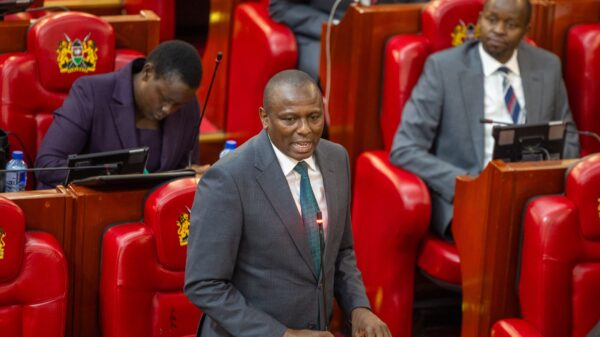




















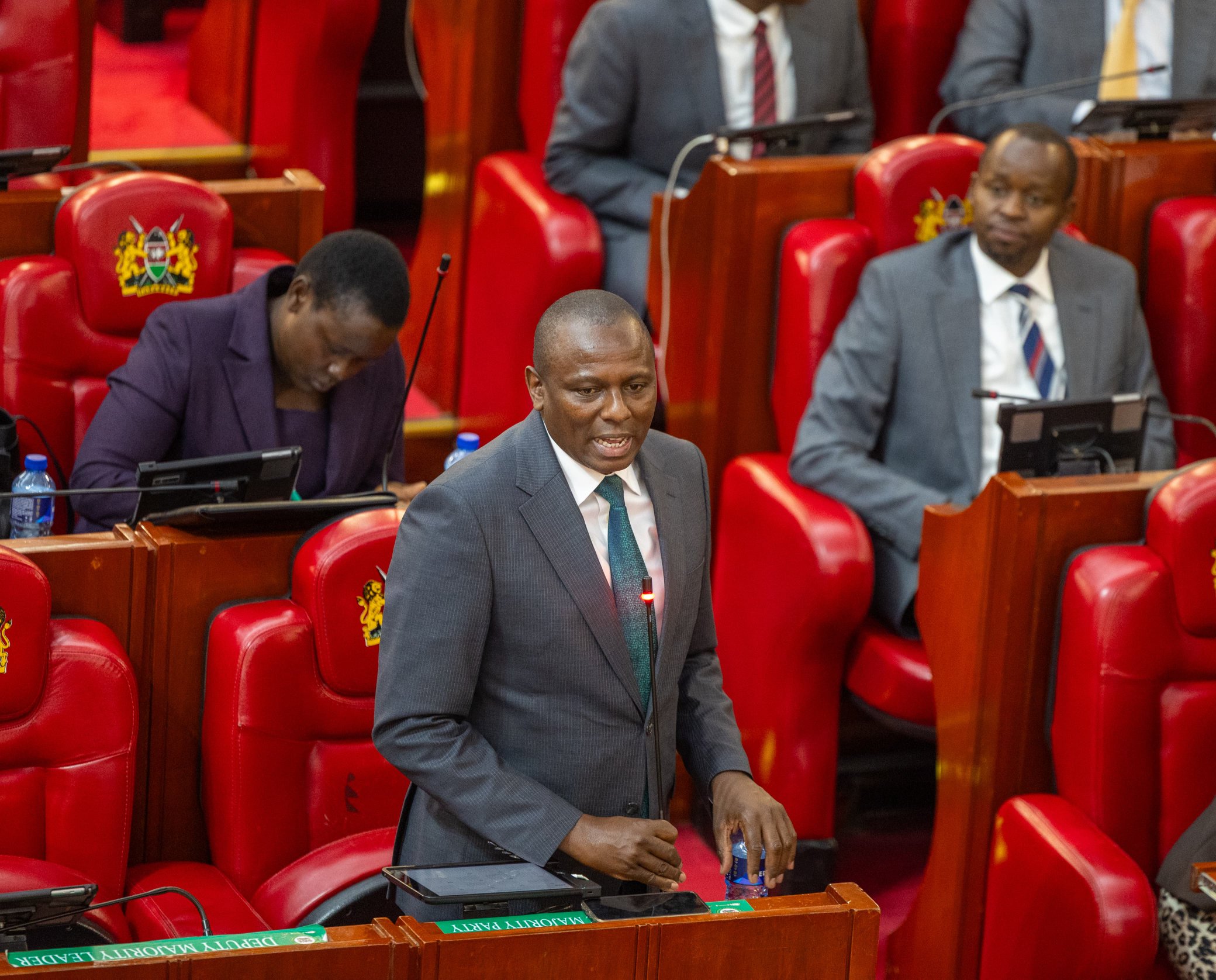

NAIROBI, Kenya, June 8 – Kikuyu MP Kimani Ichung’wah has proposed the establishment of a Central Liquidity and Shared Services Framework for regulated Savings and Credit Cooperative Societies (Saccos) in a move aimed at strengthening liquidity management and modernising oversight of the cooperative financial sector.
The proposal is contained in the Sacco Societies (Amendment) Bill, 2025, which seeks to allow licensed Saccos to pool resources through a secondary cooperative society that would provide liquidity support and shared financial services.
Under the proposed law, at least 30 licensed Saccos would be required to form the secondary cooperative society, which would be responsible for maintaining liquidity reserve accounts, managing member deposits and investing surplus funds in government securities.
The entity would also provide short-term financing to member Saccos, facilitate inter-Sacco lending and financial transfers, and operate shared financial platforms to improve efficiency within the sector.
Other proposed functions include settling payment transactions, issuing payment instruments and offering intermediary or agency services for domestic and international money transfers on behalf of participating Saccos.
“A secondary co-operative society undertaking central liquidity and shared services business licensed or authorised under this Act shall, in addition to the minimum requirements provided for in Regulations, develop and adopt a code of business conduct or rules which shall be binding on all its members,” the Bill states.
The framework is expected to enhance financial stability among Saccos by providing a structured mechanism for liquidity support, particularly during periods of financial stress.
To participate in the framework, a Sacco will be required to hold a valid licence issued by the Sacco Societies Regulatory Authority (SASRA), the body mandated to regulate and supervise deposit-taking Saccos.
The proposed secondary cooperative society would be governed by a board comprising non-executive directors elected by member Saccos, while a chief executive officer would oversee day-to-day operations.
The Bill also outlines restrictions on the activities of the proposed entity. It would not be allowed to accept deposits from individuals, lend directly to natural persons, engage in wholesale or retail trade, or invest in venture capital.
If approved by Parliament, the changes could mark a significant shift in the management of liquidity and shared services within Kenya’s Sacco sector, which plays a critical role in mobilising savings and extending credit to millions of members across the country.