



















NAIROBI, Kenya, May 8 – Kenyan electric mobility firm Teketeke is seeking at least Sh1 billion in fresh investment to expand solar-powered charging infrastructure across the country as it positions itself for partnerships at the upcoming Africa Forward Summit 2026.
The company says the funding will help accelerate adoption of electric motorcycles and three-wheelers, particularly in underserved rural areas where access to fuel stations remains limited.
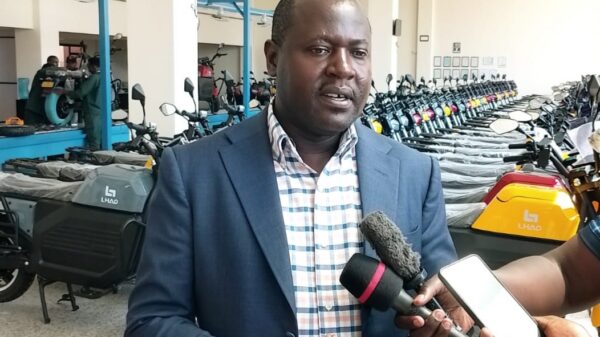
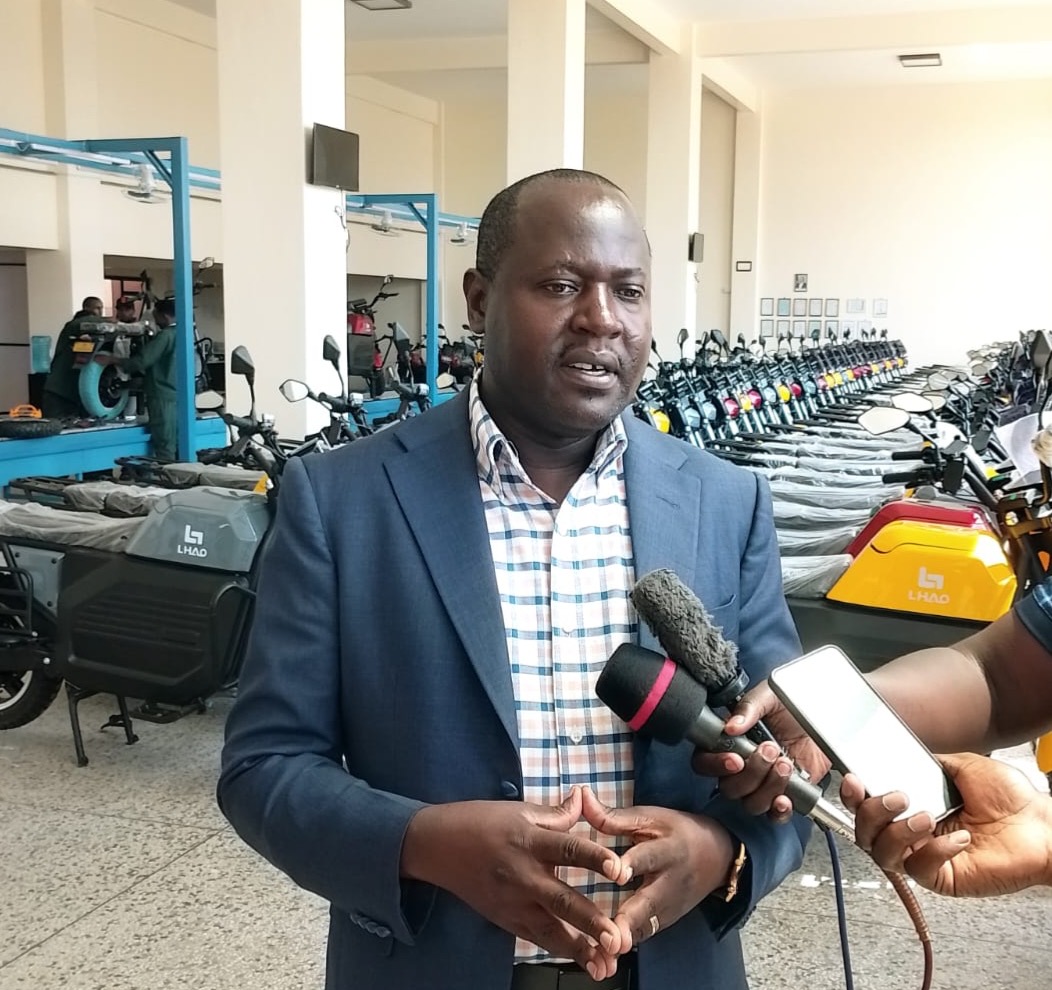
Speaking during a media briefing at the company’s headquarters along Mombasa Road, Lunghou Teketeke Managing Director Richard Chesebe said the firm is betting on locally assembled and solar-integrated mobility solutions to bridge Kenya’s transport and clean energy gap.
“We realized there has been a huge gap between fossil fuel use and electric mobility because nobody came up with a solution for the last mile,” Chesebe said.
“So we decided to localize the solution by solarizing our charging systems, manufacturing batteries locally and ensuring riders can charge from ordinary household electricity lines.”
The remarks come ahead of the Africa Forward Summit scheduled for May 11-12 in Nairobi, where African and French leaders, investors and business executives are expected to discuss investments in infrastructure, green industrialization, artificial intelligence and energy transition.
The summit, co-hosted by Kenya and France, is expected to focus heavily on bankable projects in clean energy, digital innovation and sustainable infrastructure, sectors that Kenyan startups and manufacturers are increasingly targeting for foreign capital inflows.
Chesebe said Teketeke plans to leverage the summit to attract strategic partnerships, particularly from French investors interested in green transport infrastructure and financing solutions for Kenya’s boda boda sector.
Kenya currently has about two million boda boda riders, but only a small fraction have adopted electric motorcycles, according to industry estimates cited by the company.
Teketeke says it is attempting to close that gap by providing motorcycles bundled with charging cables and solar-powered charging options that can operate using standard household electricity.
The company has also rolled out electric three-wheelers targeting dairy farmers, waste collectors and small-scale traders in counties including Bungoma, Trans Nzoia and Narok, where pilot projects have reportedly recorded strong uptake.
Chesebe said the firm is working with local manufacturers to produce charging cabinets and battery systems domestically in a bid to reduce reliance on imports while creating jobs.
According to the company, its assembly plant currently employs about 450 Kenyans directly and indirectly across manufacturing, supply chain, sales and distribution.
The company estimates its electric motorcycles can travel up to 150 kilometers on a single charge, while electric three-wheelers can cover up to 250 kilometers, with charging times averaging under three hours.
Chesebe also called for supportive regulations to accelerate conversion of fossil fuel motorcycles into electric units, saying policy bottlenecks continue to slow sector growth.
The Africa Forward Summit is expected to bring together more than 1,500 business leaders and over 30 heads of state in Nairobi, with discussions centered on financing Africa’s green transition, industrialization and digital economy.