


















NAIROBI, Kenya, Feb 11 – Today, on International Day of Women and Girls in Science, the world celebrates the groundbreaking research and innovations women continue to contribute to the global scientific ecosystem.
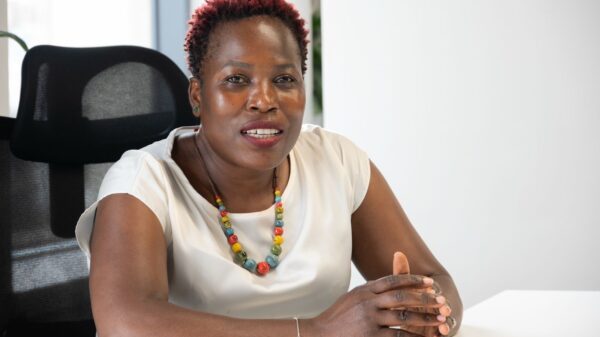
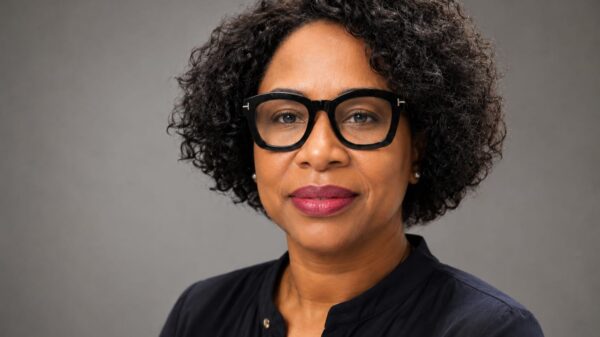
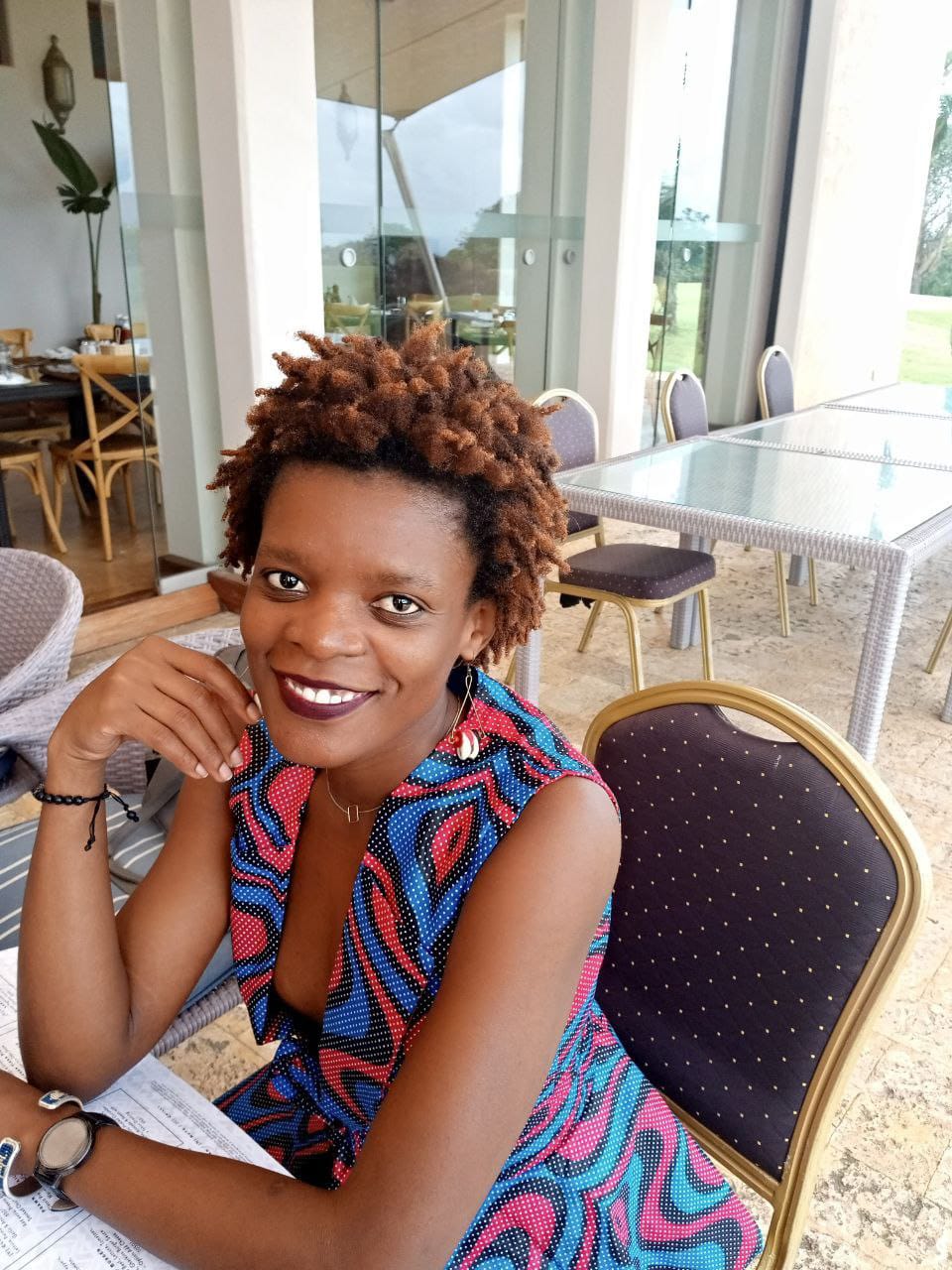
In Kenya, one such figure is Debra Riako, a laboratory technologist at the KEMRI-Wellcome Trust Research Programme (KWTRP) in Kilifi. Through her work in clinical trials and laboratory research, Riako is helping shape the future of public health in Kenya and beyond.
Often working behind the scenes, laboratory technologists play a critical role in scientific research, though their contribution is rarely highlighted. From processing and preparing samples to conducting quality control checks, their work forms the foundation upon which clinical trials and laboratory discoveries are built. At KWTRP, Riako represents this essential backbone of research.
Her journey into science was not straightforward. She joined the Kenya Medical Training College (KMTC) five years after completing high school due to financial and personal constraints. But her persistence and passion pushed her forward into the world of laboratory science.
Today, she has spent more than a decade at KWTRP, supporting research efforts aimed at improving public health outcomes locally and globally.
In an interview with Capital FM News, Riako shares her journey, the challenges she has faced, and her message to young girls aspiring to pursue careers in science.
Journey into science
“When selecting which course to take, I was advised that medicine was shifting towards a more diagnostic approach. That made laboratory technology appealing because most doctors depend on lab results to make diagnoses and prescribe treatment,” she says.
She adds that the behind-the-scenes nature of laboratory work suited her personality.
“Lab work involves minimal human interaction, and that worked well for me.”
Financial realities also shaped her path.
“I couldn’t join college immediately after high school. I enrolled at KMTC five years later. My science grades were favourable, so when I saw the advert, I applied and was accepted. KMTC was affordable at the time because my dad had already retired, which strained our family finances,” she explains.
Finding inspiration
Interestingly, Riako says she did not have specific role models growing up.
“I strive to excel in whatever role I’m assigned to the best of my ability. I believe if I give my very best, the results will speak and set the next stage for me,” she says.
However, working at KWTRP for over 10 years and interacting with women researchers has been inspiring.
“The resilience and hard work of the women I’ve worked with motivate me to be a better version of myself.”
A day in the lab
Riako’s day begins with checking laboratory equipment and recording temperatures for fridges, freezers, and incubators. She then prepares the media needed for the day’s work.
Sample receipt times vary depending on the study, especially for those collected from the field. After preparing for sample processing, she reviews documentation from the previous day to ensure everything is up to date. Some samples are transferred from freezers to liquid nitrogen storage.
Beyond handling samples, her responsibilities include drafting standard operating procedures (SOPs), writing analytical plans, conducting daily equipment maintenance checks, and attending trainings and meetings.
Over the years, she has worked on several vaccine studies that contribute to improving public health.
Support for women scientists
Riako says KWTRP has created opportunities for women to grow professionally.
“I’ve seen my women colleagues receive scholarships for PhDs, postdoctoral opportunities, and take up leadership roles. Seeing them excel has been refreshing,” she says.
She also notes that women hold key leadership positions at the institution and play a critical role in decision-making.
Overcoming challenges
Like many professionals, Riako has faced personal challenges in her career.
“I experienced a mental breakdown and was hospitalised for some time. It affected my work because I had to seek medical attention,” she says.
She credits her recovery to timely medical care and strong workplace support.
“I was referred to the right hospital and received the right treatment. Even with my current mental health diagnosis, my team — especially my boss and immediate colleagues — has been a strong support system.”
Message to girls in STEM
Riako encourages girls and young women to pursue science without being constrained by societal expectations.
“Girls and women often face man-made checkpoints in life — expectations about what they should achieve and when. These timelines are not fixed rules. They are created by society, and you have the freedom to pursue your goals at your own pace,” she says.
She notes that advancements in science and technology have expanded opportunities for women.
“If you’re interested in STEM, follow that curiosity with confidence. The world needs more girls and women bringing their perspectives, creativity, and intelligence to science and innovation.”
Looking ahead
When asked about her future research goals and the legacy she hopes to leave, Riako offers a deeply personal reflection.
“The only goal I have in life is to be happy. Over the years, I have missed out on many checkpoints that were supposed to define happiness. Realising that I can still be happy even without meeting those checkpoints is important to me.”