



























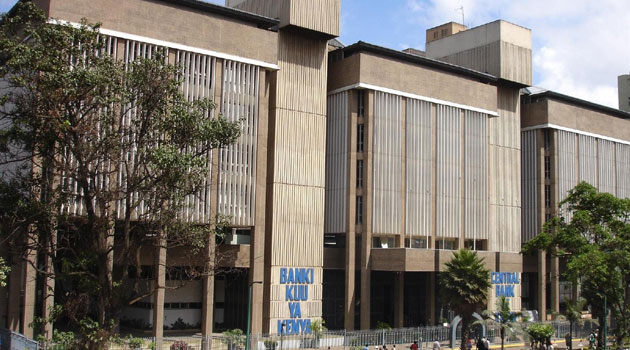

NAIROBI, Kenya, Sept 25 – The Central Bank of Kenya (CBK) is proposing a new regulation that will require credit guarantee companies to maintain a minimum core capital of not less than Sh1 billion as part of efforts to strengthen oversight of the sector.
According to the proposed Central Bank of Kenya (Credit Guarantee Business) Regulations, 2025, no single shareholder will be allowed to directly or indirectly hold more than 25 percent of a company’s share capital.
“A shareholder of a credit guarantee company shall not, whether directly or indirectly, hold more than twenty-five per centum of the share capital of the credit guarantee company,” the draft by CBK states in part.
“The minimum core capital requirement for a credit guarantee company shall be one billion shillings.”
The draft rules, published for public comment, provide a comprehensive framework for the registration, licensing, governance, risk management, and supervision of entities offering credit guarantee services.
They also bar companies from deposit-taking, granting loans, or engaging in trading activities outside their mandate.
Licensed firms will further be required to maintain a total capital of at least 14.5 percent of total risk-weighted assets while implementing strict risk management frameworks covering credit, operational, liquidity, compliance, and reputational risks.
Boards must comprise at least two-thirds non-executive directors and set up key committees such as audit, risk, and guarantee committees.
CBK noted that the regulations stem from amendments to the Central Bank of Kenya Act under the Business Laws (Amendment) Act, 2024, which brought the credit guarantee business under its supervisory ambit. Entities already offering such services will have five years to comply with the new framework.
The reforms come against the backdrop of Kenya’s Credit Guarantee Scheme for MSMEs, launched in 2020 at the height of the COVID-19 pandemic. That initiative was designed to share risks with banks’ lending to small businesses, many of which faced difficulties accessing credit.
CBK says the new regulations will institutionalize and expand such efforts by providing a clear supervisory framework to ensure the sustainability of credit guarantees as a tool for financial inclusion.
The regulator is inviting public comments on the draft by October 15, 2025, through an online form or written submissions to the Bank Supervision Department.