













Jan 11 – Bangladesh’s Islamist groups are re-emerging as a political force ahead of the February 12 elections, seeking a foothold in government after years of repression and sensing their strongest opening in decades.
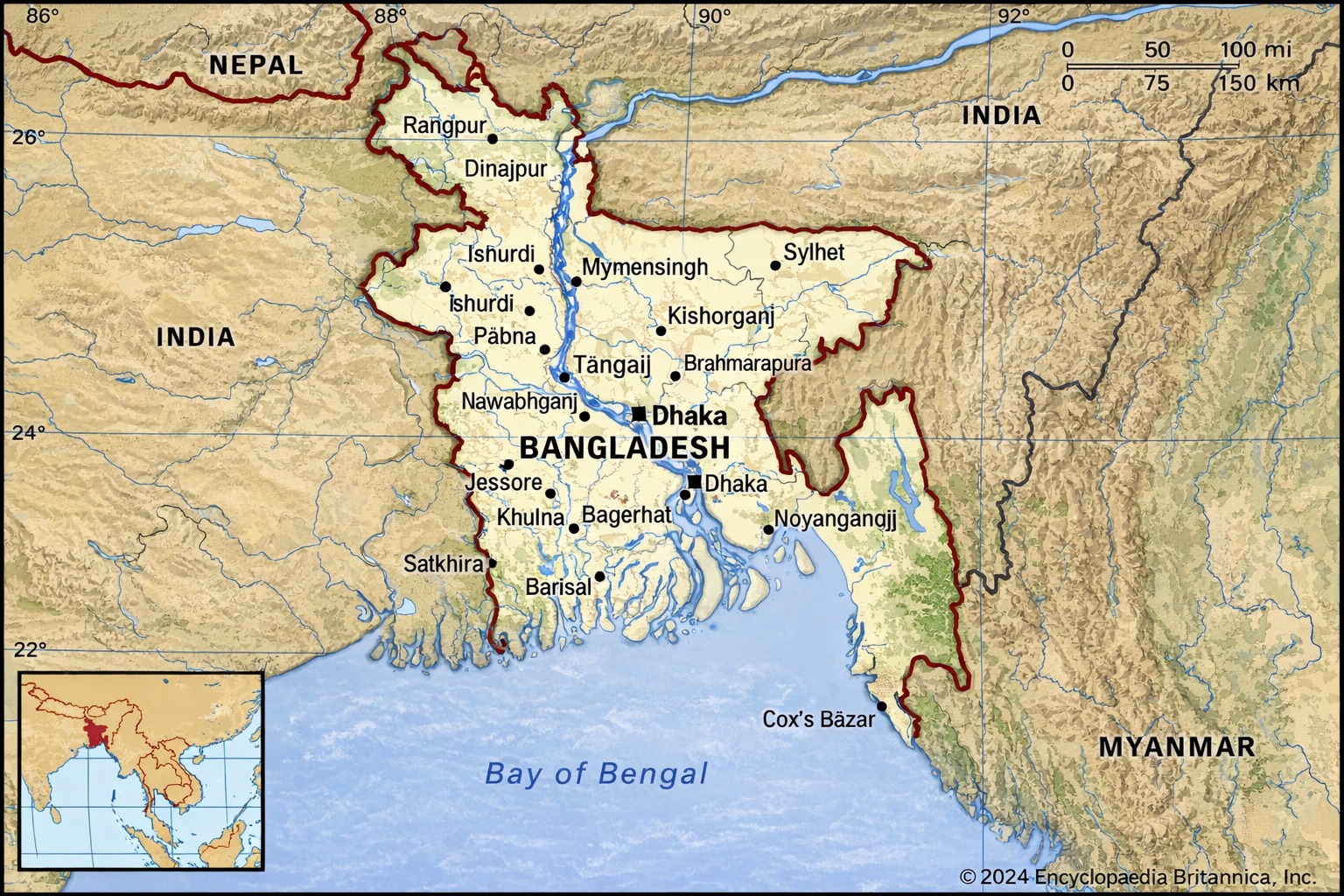
The vote will be the South Asian nation’s first since the mass uprising in 2024 that ended the long rule of former prime minister Sheikh Hasina. Bangladesh, home to about 170 million people—most of them Sunni Muslims—is entering a period of political transition marked by uncertainty and intense competition.
At the centre of the Islamist push is Jamaat-e-Islami, the country’s largest and most organised Islamist party. Ideologically aligned with the Muslim Brotherhood, Jamaat is attempting a return to mainstream politics after years of bans and crackdowns. The party has bridged internal rifts and forged alliances with other Islamist groups for the election, fielding only male candidates.
Jamaat has also aligned itself with the National Citizen Party (NCP), a political outfit formed by student leaders who played a leading role in the 2024 uprising. The alliance has drawn criticism and reportedly prompted some aspiring female candidates to withdraw.
During her 15-year tenure, Hasina adopted a hard line against Islamist movements, blaming them for instability and human rights abuses. Several senior Islamist leaders were sentenced to death for war crimes linked to the 1971 independence conflict, with some executed. Her government also imposed restrictions on activities deemed “anti-Islamic” by conservative groups, including music and theatre festivals, women’s football matches and kite-flying events.
More extreme elements have been linked to attacks on Sufi shrines, including incidents in which graves were desecrated and a Sufi leader’s body exhumed and set alight.
Many of these groups draw inspiration from Deobandi teachings, a conservative Sunni movement originating in 19th-century India and often cited as an ideological influence on Afghanistan’s Taliban.
Another influential force is Hefazat-e-Islam, a powerful coalition of thousands of Islamic schools and Muslim organisations that operates as a grassroots pressure group. Hefazat leaders travelled to Afghanistan last year, while Taliban officials visited Bangladesh in December, fuelling concern among critics.
Islamist groups in Bangladesh have long faced public hostility over their alleged support for Pakistan during the 1971 war of independence—an issue that continues to shape political attitudes.
Hasina, a former ally of the United States and closely aligned with India’s Hindu-nationalist government, also presided over major crackdowns on Islamist militancy. Security forces killed dozens and arrested hundreds following a wave of attacks by extremist groups inspired by Al-Qaeda and the so-called Islamic State. These included assaults on writers and publishers and a 2016 attack on a Dhaka café that left 22 people dead, including 17 foreigners.
In 2017, Mufti Abdul Hannan, an Afghanistan-trained leader of the banned Harkat-ul-Jihad group, was executed along with two associates for attempting to assassinate the British High Commissioner to Bangladesh.
Since Hasina fled to India last year, several prominent Islamist leaders have been released from prison, and Islamist groups have become increasingly vocal and organised, signalling a potential shift in Bangladesh’s political landscape as the election approaches.