























NAIROBI, Kenya, Feb 18 — The 17-article cooperation agreement signed between the national government and Nairobi City County includes a provision allowing the replacement of any section invalidated by the courts, ensuring the partnership remains enforceable in the event of legal hurdles.
Signed by Prime Cabinet Secretary Musalia Mudavadi on behalf of the national government and Governor Johnson Sakaja for Nairobi County, the agreement formalizes collaboration on roads, water, housing, sanitation, markets, and waste management to accelerate Nairobi’s transformation into a regional and global metropolis.
A key safeguard under Article XV on severability stipulates that if any provision is declared invalid or unenforceable, the rest of the agreement remains in force.
Both parties are required to replace the annulled clause with a valid provision that closely reflects the original intent and economic effect.
“The parties agree to replace the invalid or unenforceable provision with a valid and enforceable provision that most closely achieves the intent,” the agreement reads, reinforcing its legal resilience.
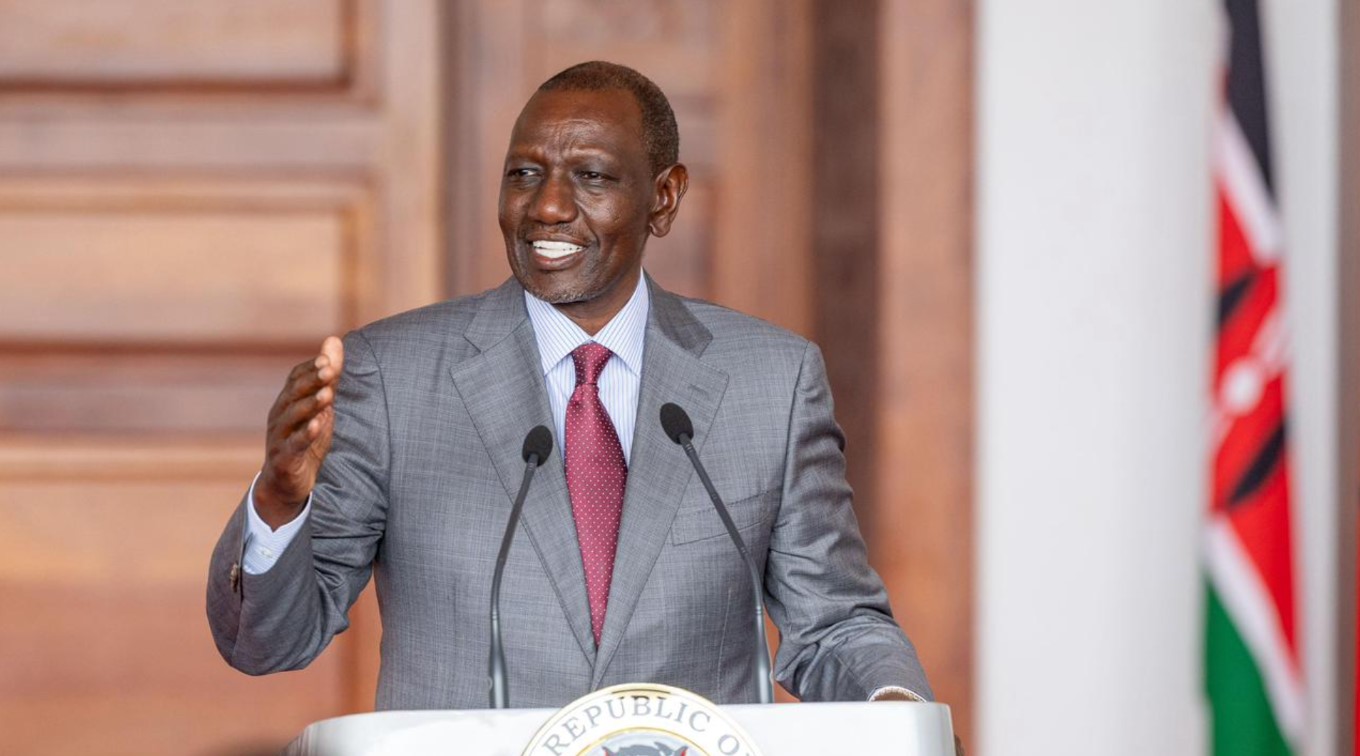
President William Ruto, who presided over the signing, emphasized that the framework does not transfer functions from the county government but strengthens structured collaboration as envisioned under the Constitution and the Urban Areas and Cities Act.
“Today’s cooperation agreement is designed to close the gap fully and within the confines of the law and the constitution,” Ruto said.
“Our constitution requires the two levels of government to cooperate, assist, and consult each other. The Intergovernmental Relations Act provides mechanisms for formal coordination agreements.”
Ruto clarified that Nairobi County retains its legal authority, while the national government provides additional support to enhance infrastructure and service delivery.
The agreement unlocks an estimated Sh80 billion financial package targeting critical urban infrastructure and service gaps, including street lighting, water and sanitation, roads and drainage, electricity access, and waste management.
The framework establishes a two-tier governance system.
A Steering Committee, chaired by Mudavadi and deputized by Sakaja, is responsible for policy direction and oversight.
An Implementation Committee on the other hand, chaired by Sakaja, will guide technical execution of projects and coordination between national ministries, agencies, and county departments.
The structure also includes Cabinet Secretaries, Principal Secretaries, the Attorney General, and county officials to ensure alignment across both levels of government.
The agreement takes effect 14 days after signing, with an initial duration of 24 months, subject to renewal or termination upon six months’ notice.
Funding will be drawn from national and county budgets and managed under existing public finance laws, with both governments required to report annually on implementation progress.
Officials cited Nairobi’s unique status as Kenya’s capital, diplomatic hub, and host to United Nations offices, as well as its role as the country’s primary economic engine, contributing significantly to national GDP and attracting regional and international investment, as justification for the enhanced partnership.
The cooperation framework is designed to improve service delivery, strengthen urban infrastructure, and position Nairobi among globally competitive capital cities, while preserving the constitutional balance between national and county governments.