










GUIYANG, China, Sep 13 — At 1,139 metres above sea level, Guiyang Longdongbao International Airport ushers travellers into the world’s bridge capital — the heart of Guizhou, China’s mountainous southwest province.
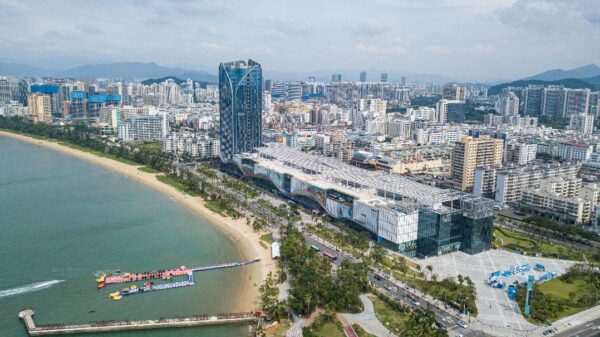
A drive from the airport reveals a city where dramatic karst terrain meets expansive road networks and soaring apartment blocks. This fusion of nature and infrastructure defines Guizhou’s reputation as a global engineering success story.
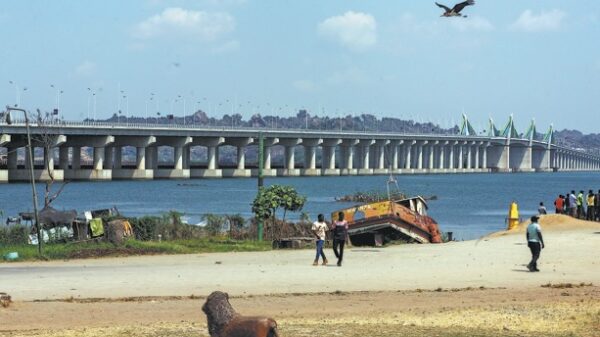
The province’s most iconic marvel is the 565-metre-high Beipanjiang Bridge straddling the border with Yunnan. Unveiled in 2016, it remains the world’s highest bridge and in 2018 earned the Gustav Lindenthal Medal, often called the “Nobel Prize” for bridge engineering. Guizhou also boasts the Qingshuihe Bridge, China’s second-highest at 406 metres above the valley floor.
The province is also set to unveil another feat later in September — the world’s tallest bridge. Built across a mountainous canyon, the Huajiang Grand Canyon Bridge surpasses the Beipanjiang Bridge with a deck 625 meters above the water and a main span of 1,420 meters.
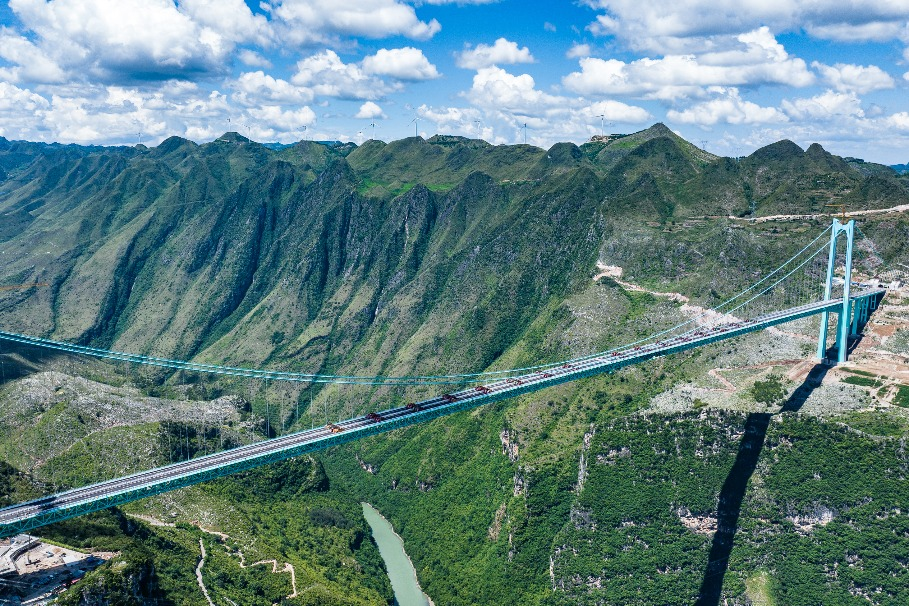
Together these feats represent Guizhou’s relentless effort to conquer its rugged landscape. Expressways lined with trees, green-draped overpasses and towering structures rising from valleys create a striking display of ecological harmony fused with modernity.
Guiyang, home to about six million of Guizhou’s 39 million residents, has undergone a dramatic transformation. Once considered remote and landlocked, it now leads the charge in modernisation.
“The terrain is mostly mountainous, but that has not hindered infrastructure development. The city is highly accessible by road, and this extends even to remote villages,” a local guide notes.

The boom is unmistakable: kilometre-long tunnels drilled through hills, breathtaking bridge spans, spiralling overpasses and expressways linking urban centres with rural hamlets. At the heart of this transformation lies a multi-modal transport network designed for efficiency and inclusivity.
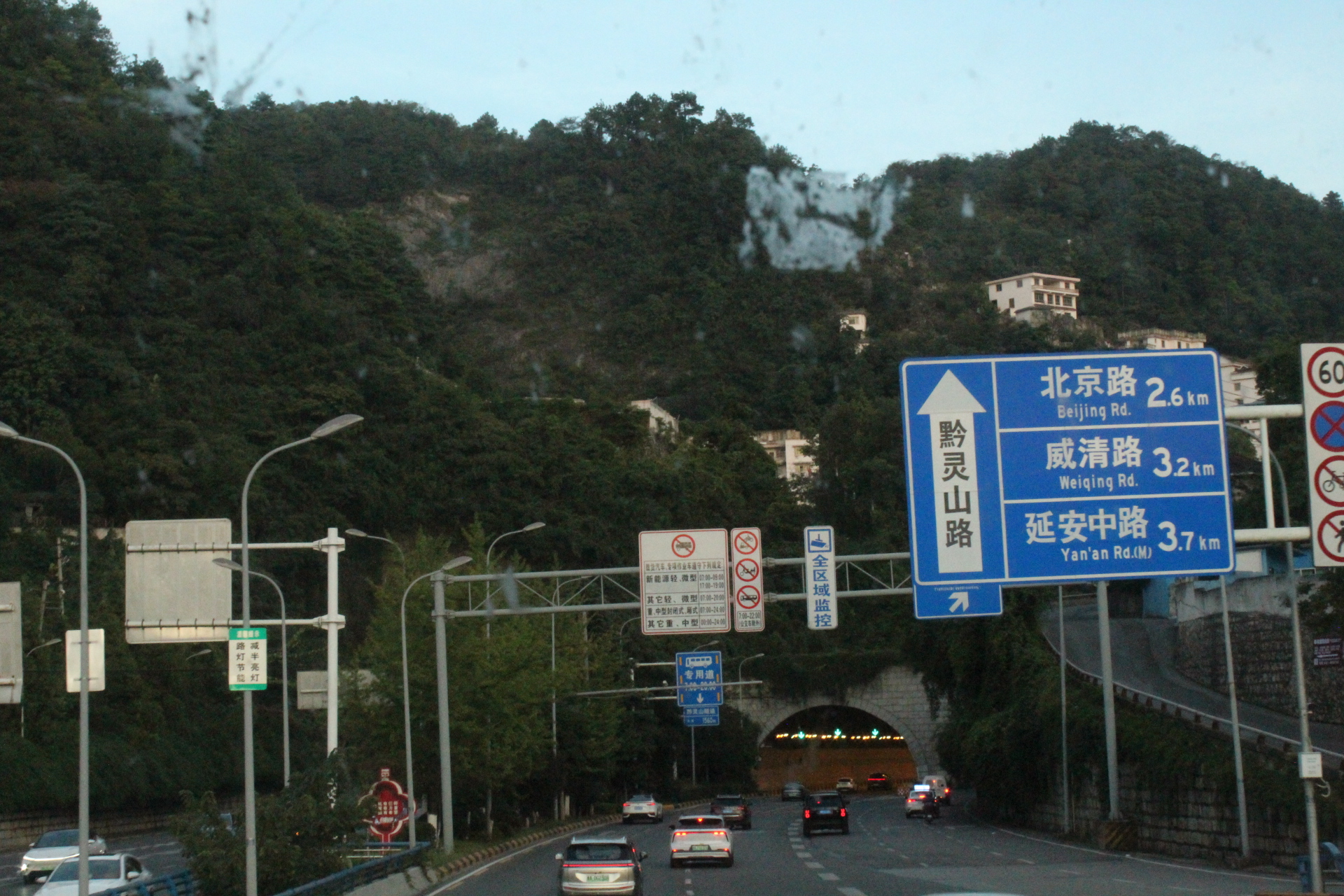
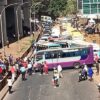
Guiyang’s Bus Rapid Transit system runs along major highways, integrated with rail links and an expanding subway. Electric vehicles dominate the roads, e-bikes glide across dedicated lanes, and pedestrians enjoy shaded walkways flanking wide highways.
Beneath intersections, underground underpasses double as bustling trade corridors where vendors sell clothing, handicrafts and electronics — blending mobility with micro-enterprise.
Yet Guiyang balances modernity with tradition. In the city centre, the Guizhou Arts and Crafts Museum displays intricate carvings and traditional costumes, while the Provincial Museum chronicles dynastic history — including the Ming era — with detailed exhibits and a giant replica tomb. Among its treasures is the Zi Chariot, a bronze Eastern Han Dynasty carriage about a metre long with a canopy.

Cultural reverence continues at Xiuwen Yangming Cultural Park, which preserves a sacred cave dedicated to philosopher Wang Yangming beneath a towering statue.
In Huishui County, the Buyi tribe offers a glimpse into China’s ancient past through colourful traditions, dynasty-era architecture and centuries-old paper-cutting art.
On Guiyang’s outskirts, a Culture and Creative Park illustrates the city’s fusion of culture and technology, with an AI hub supporting media content distribution and e-commerce at the heart of a rural community blending the old with the new.
Guiyang today is more than a city of bridges. It is a living testament to how infrastructure, technology and culture can converge to transform a once-isolated province into a modern hub — without losing sight of its heritage.