











NAIROBI, Kenya, Jul 31 — The government has directed all public universities to revise fees for academic programmes downward, effective September 1.
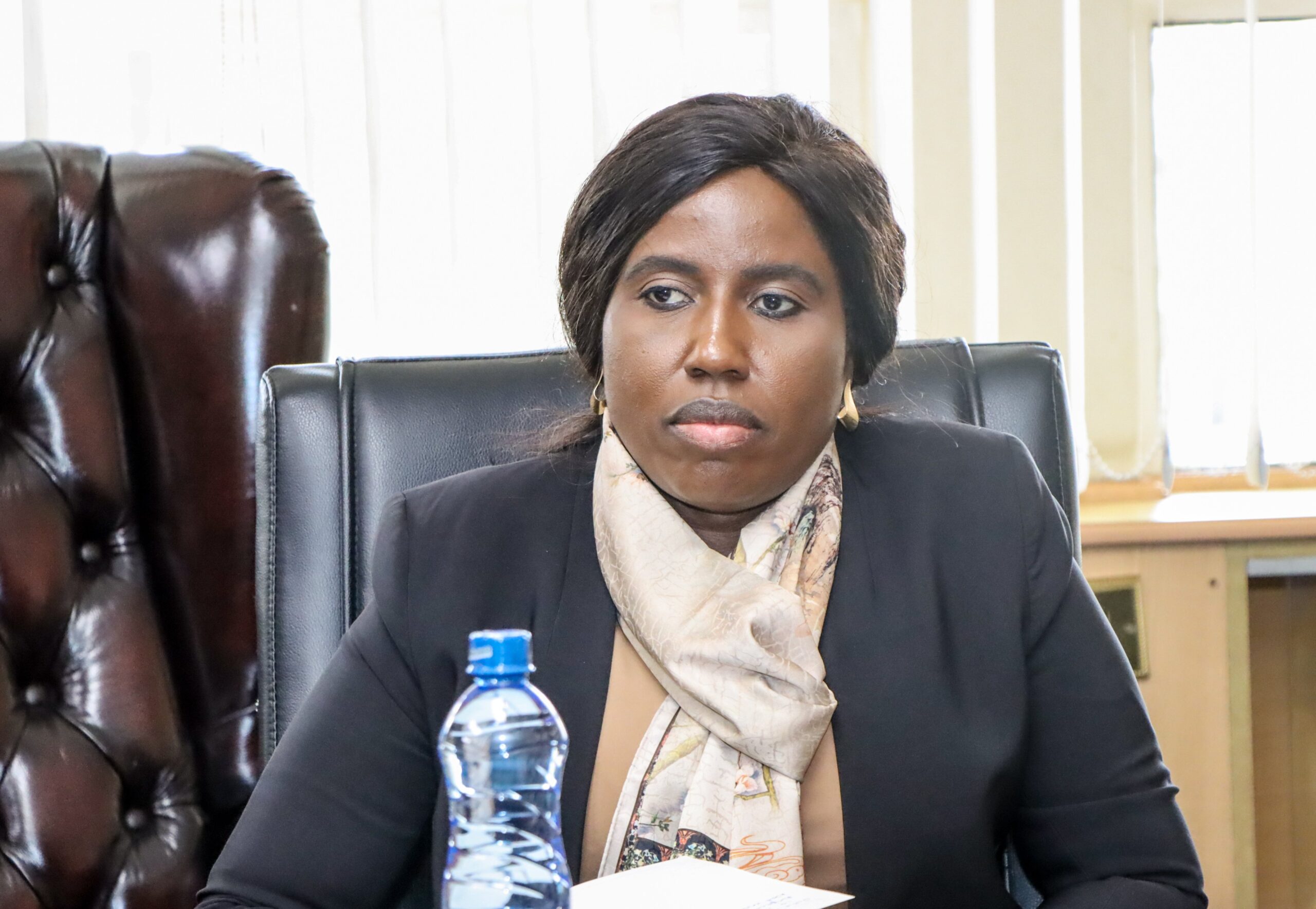
Higher Education Principal Secretary Beatrice Inyangala issued the directive in a letter addressed to Vice Chancellors and Principals of Constituent Colleges on Wednesday.
Inyangala said the revision followed extensive consultations with stakeholders, including students and their families.
“In direct response to concerns raised by students and their families, the Government has lowered fees payable by students across all academic programmes,” the PS stated in the letter, which was copied to Head of Public Service Felix Koskei and circulated to the media on Thursday.
She added that the rationalization of public university fees aligns with the Student-Centred Funding Model introduced by President William Ruto’s administration in May 2023.
“This bold step reaffirms our commitment to ensuring affordable, accessible, and quality university education, while maintaining the financial sustainability of our institutions,” Inyangala noted.
Although the State Department did not provide details on the extent of the fee reduction, it said the revised schedule will apply to both first-year and continuing students.
“All public universities [are] further directed to update their admissions and finance portals to reflect the revised fees of academic programmes,” she said.
Need-based funding model
Inyangala explained that the institution will cover the cost of programmes through a combination of tuition fees, government scholarships, and loans based on the financial needs of individual students.
Under the Student-Centred Funding Model, students classified as vulnerable receive 70 per cent government scholarship, 25 per cent in student loans, with parents required to contribute 5 per cent.
Those in the needy category get 60 per cent government scholarship, 30 per cent in loans, with 10 per cent covered by parents or guardians.
Students considered less needy receive 50 per cent government scholarship, 30 per cent in loans, with parents contributing 20 per cent.
Those classified as coming from able families get 40 per cent government scholarship, 30 per cent in loans, with parents expected to cover the remaining 30 per cent .
However, the funding model has faced criticism from some stakeholders who have termed it discriminatory and ineffective.
In July 2025, Higher Education Loans Board (HELB) reported an Sh11.5 billion budget shortfall for the 2024/25 financial year, which left 103,214 students without loans.
The board disbursed Sh26.1 billion to 322,338 applicants.