


















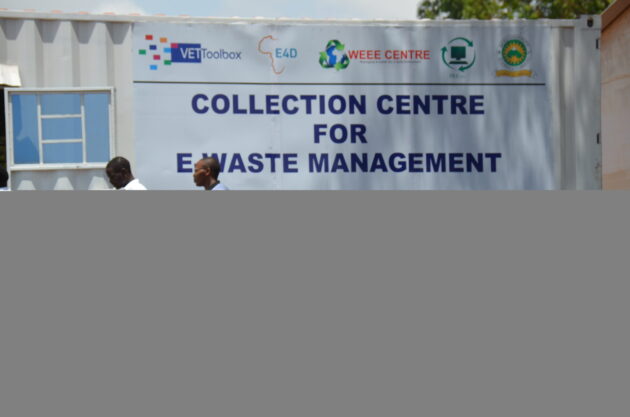

MERU, Kenya, Feb 21 – Meru University of Science and Technology (MUST) has launched an e-waste management project for recycling of waste as well as boost the environment.
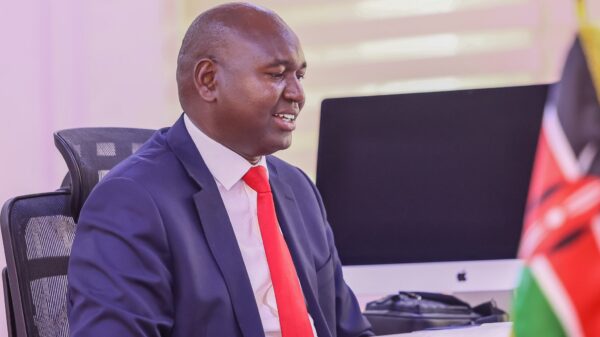
MUST Vice Chancellor Romanus Odhiambo said the project aims to raise public awareness and engage stakeholders on e-waste and recycling as well as train as many people as possible.
It will also expand the faculty’s processing capacity, including research as well as create jobs.
Already, the institution has trained 175 technicians who will be graduating in June. The cohort will then extend the expertise across the country.
Odhiambo said the graduates will double up as agents for the University’s collection centre as it continues to scale up the project.
“According to the global e-waste monitor report of 2020, 53.6 million metric tonnes of e-waste were produced each year and if left unchecked this could double to 120 million tonnes by 2050,” Odhiambo said during the launch.
“Globally, only 17.4 percent of e-waste is managed appropriately,” he said, adding that e-waste is expected to increase from 5 percent to 8 percent due to increased use of ICT equipment globally.
In addition to the e-waste management project, MUST has also established a fully functional sanitation research institute that looks at circular research on organic waste.
It is currently taking food, and human waste and trying to see how it can create wealth from them.
“We plan to upscale the current technician courses to bachelors, masters, and probably PHDs where we plan to do research about the problematic e-waste fractions that are difficult to recycle and come up with noble ways of recycling to reduce the cost in order to achieve more impact by research and recycling more tonnes of e-waste at minimal cost,” said Odhiambo.
He appealed to partners to join hands with the institution adding that they have all that it takes as a University to upscale the project to urban mining which is the process of recovering rare materials in electronic waste.
Some of the precious metals in e-waste include gold, silver, copper, platinum, and palladium, among others.