





















BEIJING, China, May 31 – In my little existence in this world, I have been fortunate enough to travel to a number of countries, albeit countable, such as Morocco, Malaysia, South Africa, among others. But never before have I been as amazed as I was during my first trip to China last Sunday.
Before I even stepped foot on Chinese soil, I had no idea the country would completely blow away all my senses — from what I saw, heard, smelled, tasted and even felt emotionally. China turned out to be more than just another travel destination. It became an experience that challenged many of my assumptions about development, culture, history and modern civilization.
The moment I arrived at the Beijing Capital International Airport together with a group of Kenyan journalists, I immediately noticed the level of organization, technology and efficiency. Immigration clearance was smooth and highly digitized, something that instantly caught my attention. The airport itself looked modern, clean and well planned.
From Terminal Two to the airport exit where taxi drivers and families waited for loved ones and clients, I experienced something that may seem ordinary to many people but was a first for me — the convenience of an airport train shuttle. The train was fast, easy to use, quiet and extremely clean.
Coming from Nairobi, where navigating airports and public transportation can sometimes be stressful, the experience felt almost surreal. Instantly, I found myself comparing it with the daily hustle associated with Jomo Kenyatta International Airport (JKIA). Everything in Beijing seemed orderly and intentionally designed to make movement easier for travelers.
In the subsequent days, I visited some of China’s most iconic sites including the Great Wall of China, Beijing City, modern shopping malls and beautifully planned green spaces. Every place I visited left a lasting impression on me.
The Great Wall of China
About one hour from Shunyi District in Beijing stands one of the world’s greatest historical wonders — the Great Wall of China.
The wall sits majestically across hills and mountains, carrying centuries of history. Built as early as the 7th century BC, the ancient fortification system was constructed to protect northern China from invasions by nomadic groups from the Eurasian Steppe.
As we drove toward the site, I watched the wall snake through steep mountains and valleys. I could not stop wondering how ancient civilizations managed to build such a massive structure using limited tools and technology. The rocks were hard, the mountains steep and the conditions extremely difficult.
When we finally arrived, one thought kept crossing my mind: how did people back then manage to carve through mountains and transport heavy stones without modern machinery?
“It was dangerous work back then. Many workers lost their lives during construction,” our guide explained.
That statement stayed in my mind throughout the climb.
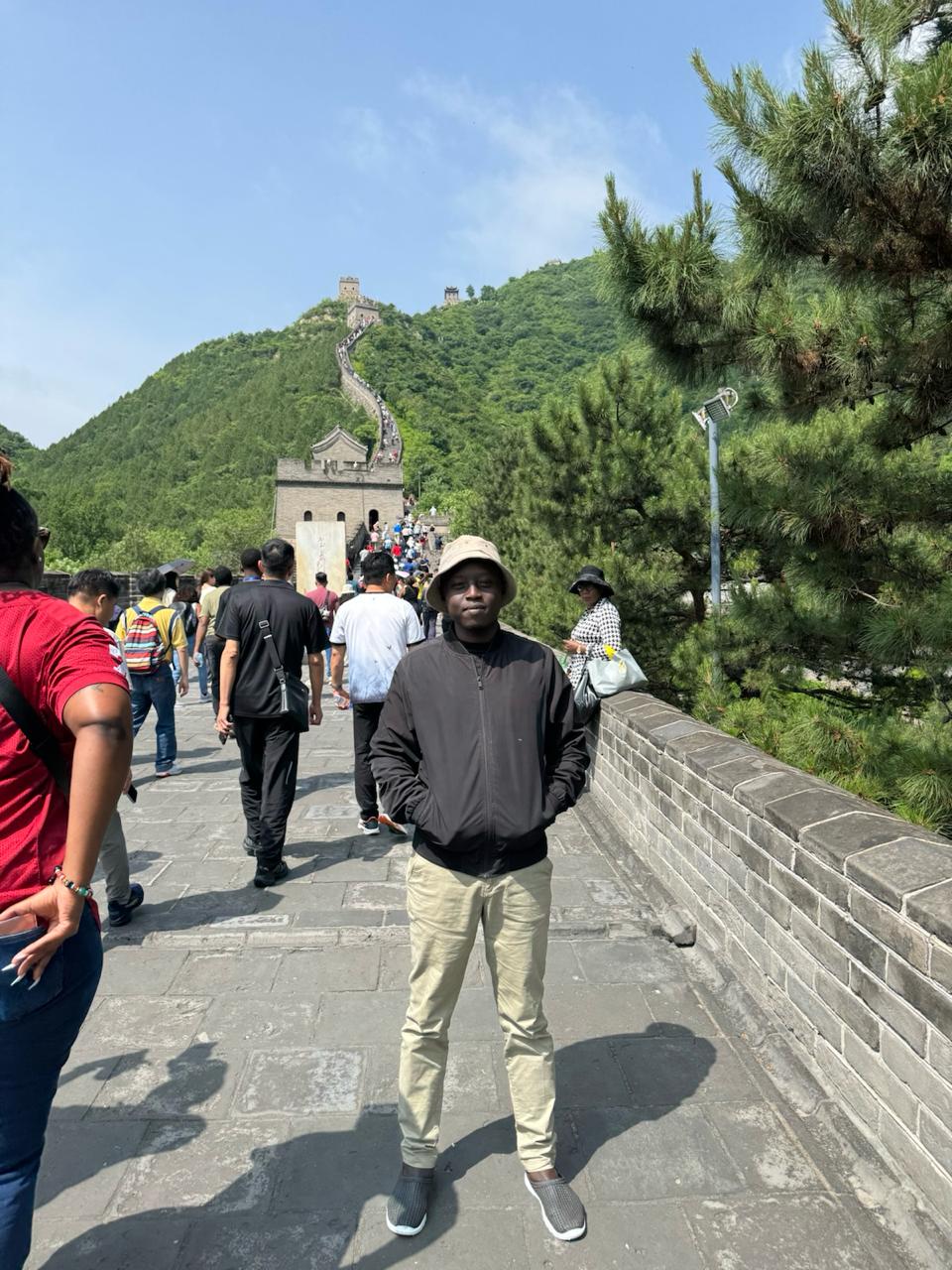
For me, climbing the Great Wall was both exciting and physically exhausting. Thousands of tourists from different parts of the world filled the narrow pathways and staircases. Some sections were extremely steep, forcing me to pause several times to catch my breath.
My legs became sore and my body tired, but giving up was never an option. I had one goal — to reach the highest point possible.
And eventually, I did.
At the top, breathing heavily while overlooking the endless mountains and ancient walls, I felt a deep sense of accomplishment.
“In Chinese culture, anyone who climbs the Great Wall is considered a hero or heroine,” our Chinese guide told us with a smile.
At that moment, exhaustion turned into joy. Imagine traveling thousands of kilometres away from home only to be called a hero in China. What an unforgettable feeling.
Beijing: A Perfect Blend of Ancient and Modern History
Beijing amazed me in ways I never expected.
The city is deeply rooted in history yet highly modern at the same time. Ancient buildings that date back centuries still stand proudly among modern skyscrapers and busy streets.
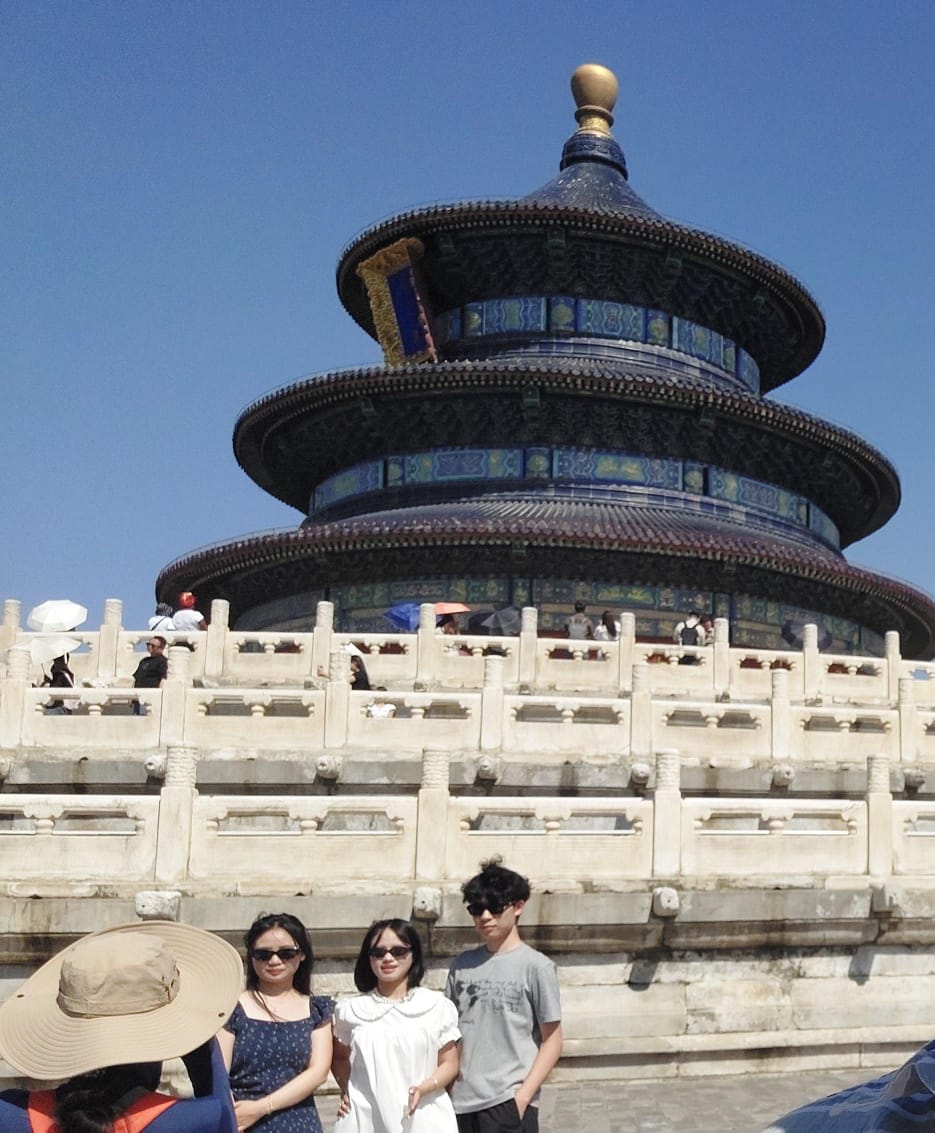
One of the most fascinating places I visited was the Forbidden City, an imperial palace complex that served as the residence of 24 emperors during the Ming and Qing dynasties. For more than 500 years, it also functioned as China’s political center.
Standing near the palace, I could almost feel history come alive. The massive ancient buildings, traditional Chinese architecture and carefully preserved courtyards reflected the power and grandeur of imperial China.
As we drove past the facility, I imagined how emperors once ruled one of the world’s greatest civilizations from inside those walls.
A few steps away from the Forbidden City sits another remarkable institution — the National Museum of China.
The museum, located on the eastern side of Tiananmen Square, houses millions of Chinese cultural relics and historical artifacts. It occupies nearly 200,000 square meters and preserves Chinese history dating back over 1.7 million years ago to the end of the Qing dynasty.
The sheer scale of history preserved inside the museum was overwhelming.
Beyond the ancient attractions, Beijing is also one of the most modern cities I have ever seen. During evening drives through the city, I admired rows of modern skyscrapers glowing beautifully under city lights. Residential apartments looked clean, organized and futuristic.
The city felt alive yet calm at the same time.
Infrastructure That Left Me Speechless
One thing China has mastered exceptionally well is infrastructure development.
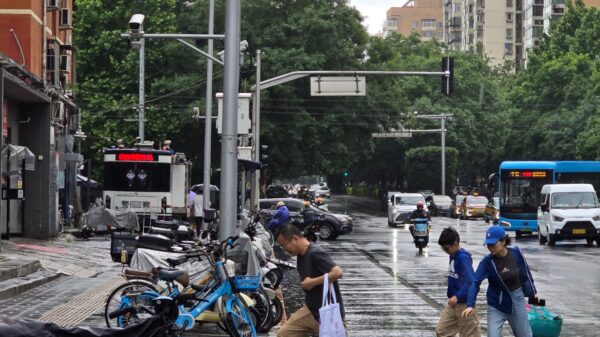
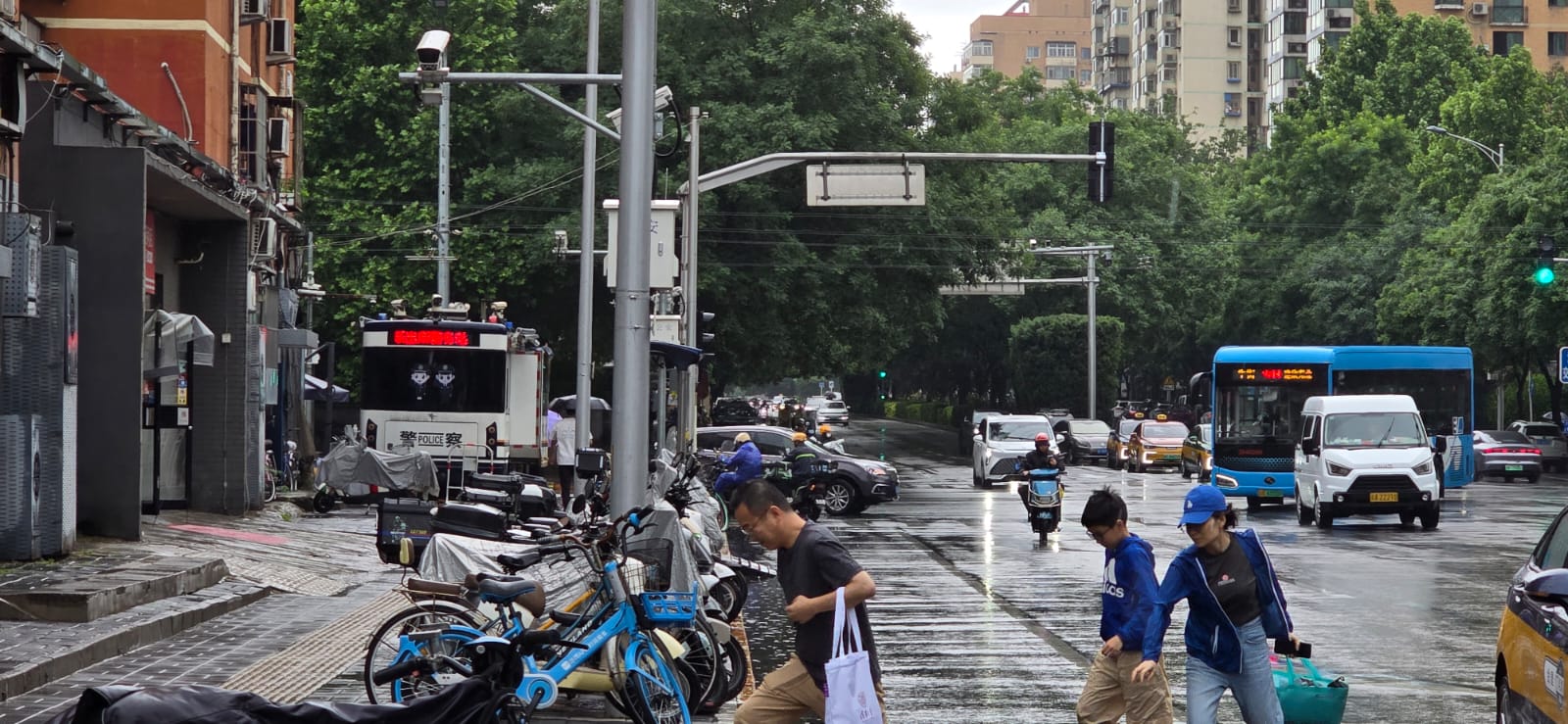
Beijing is connected by a modern transportation system that includes efficient metro lines, modern highways and advanced airports. Moving around the city was surprisingly easy even for a first-time visitor.
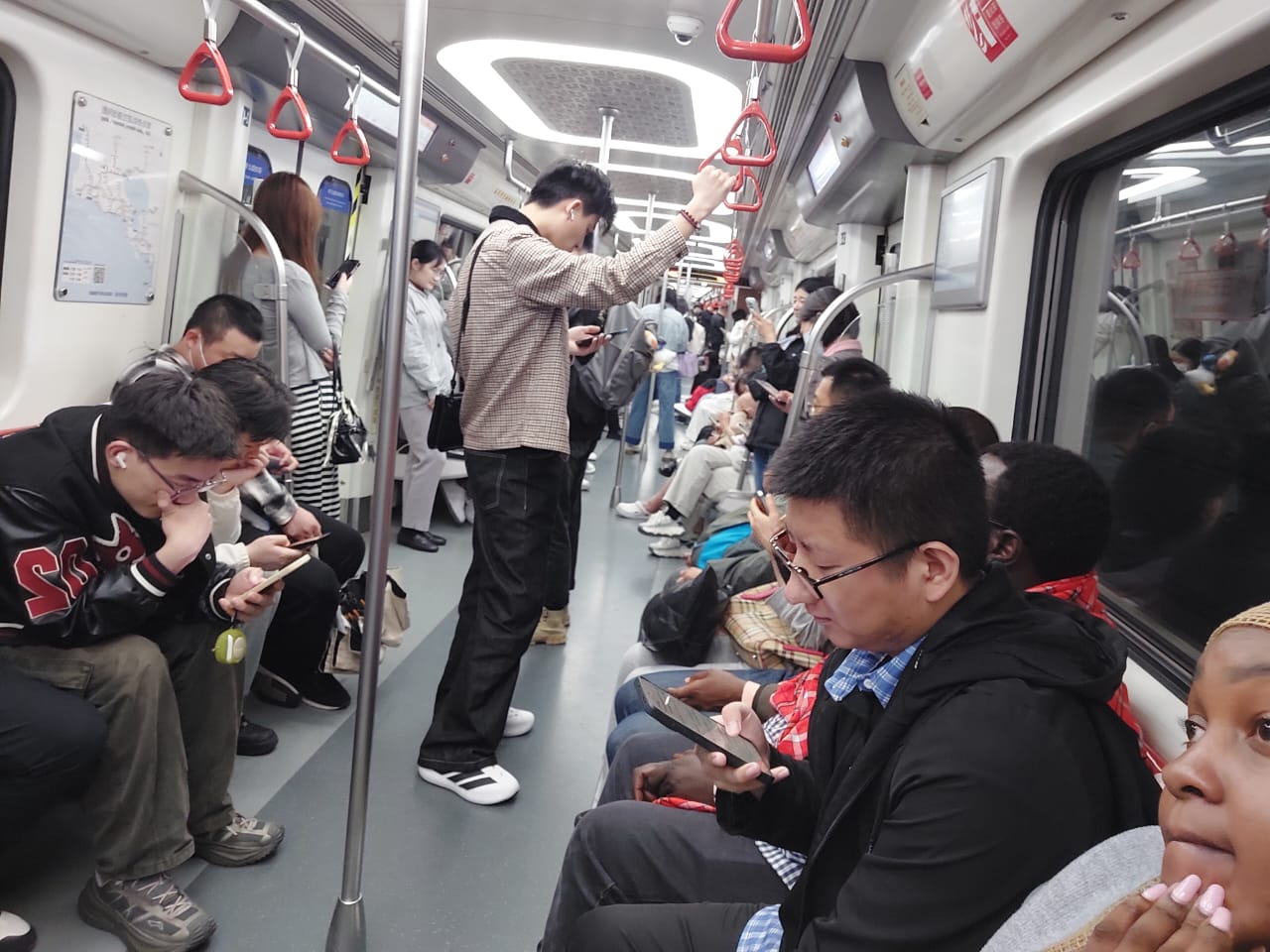
We stayed at the Research and Training Institute under the National Radio and Television Administration (NRTA), and from there I could comfortably use the metro to access Beijing’s Central Business District.
What shocked me most was the affordability.
A journey of more than 30 kilometres cost me roughly Sh60 in Kenyan currency — cheaper than what matatus charge in Nairobi for much shorter distances.
The metro trains were clean, fast and punctual. Unlike the chaotic transport systems common in many African cities, Beijing’s transportation felt coordinated and predictable.
For me, it was proof of what long-term planning and investment can achieve.
Friendly People Despite Language Barriers
One of the biggest surprises during my stay in China was the friendliness of the people.
Before traveling, I had heard concerns about language barriers and cultural differences. While it is true that communication can sometimes be difficult because many locals speak limited English, I discovered that kindness often speaks louder than language.
Chinese people were generally warm, welcoming and willing to help.
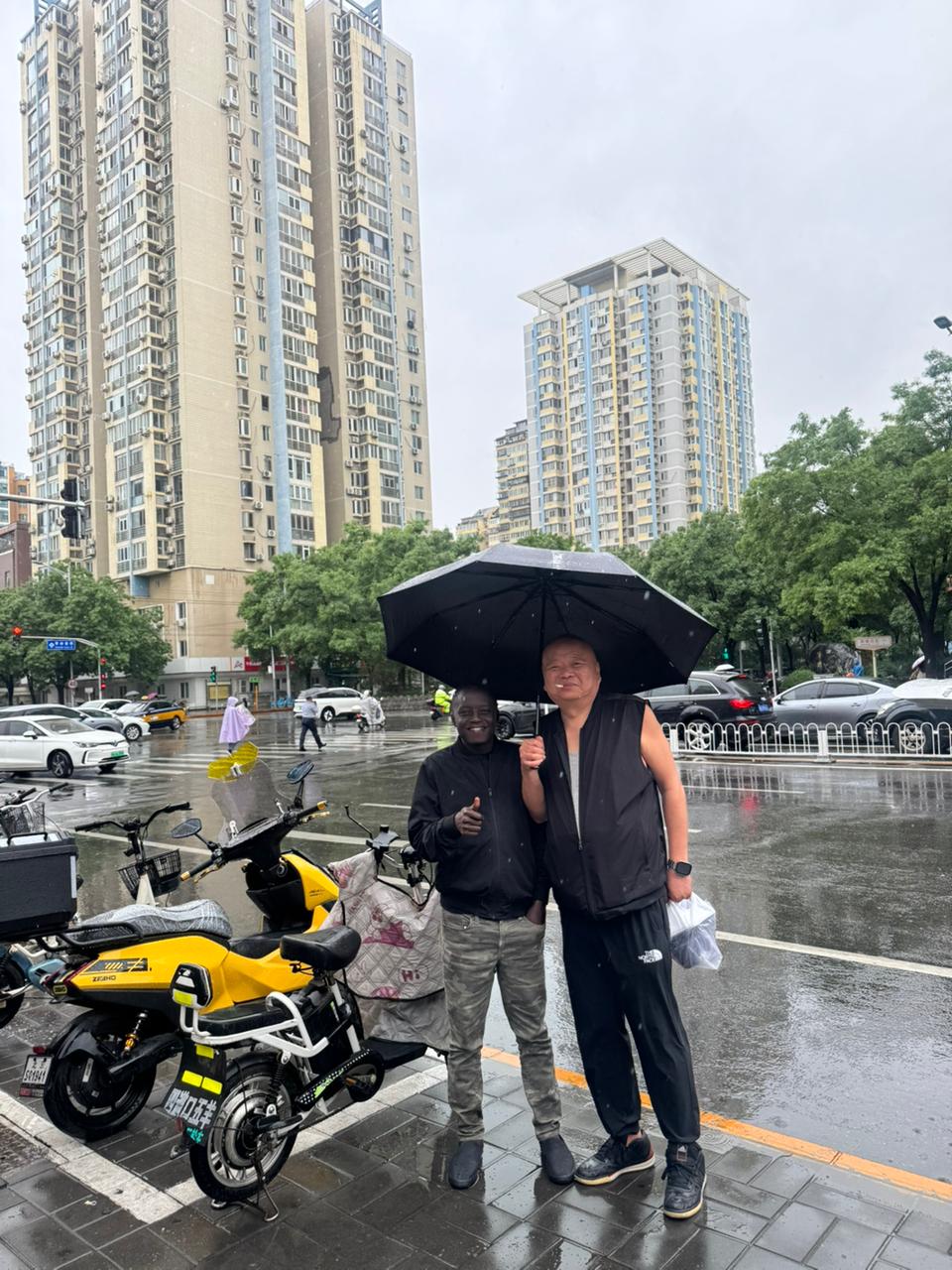
One experience particularly stood out for me.
One evening, together with fellow Kenyan journalists, we got stranded outside our accommodation while trying unsuccessfully to order a Didi taxi — China’s version of Uber and Bolt.
A security guard at the facility noticed our struggle and, without hesitation, offered to help us book a taxi using his phone. He did it freely and with genuine kindness.
That small act may seem insignificant, but for foreigners in a new country, such moments become unforgettable.
Sumptuous and Exotic Foods
China’s food culture is an adventure on its own.
As a diverse country with different ethnic groups and regional cuisines, the variety of food available is endless.
Together with my Kenyan journalist friends, I had the opportunity to try foods that are uncommon back home including snails, ducks, seafood and different fish dishes.
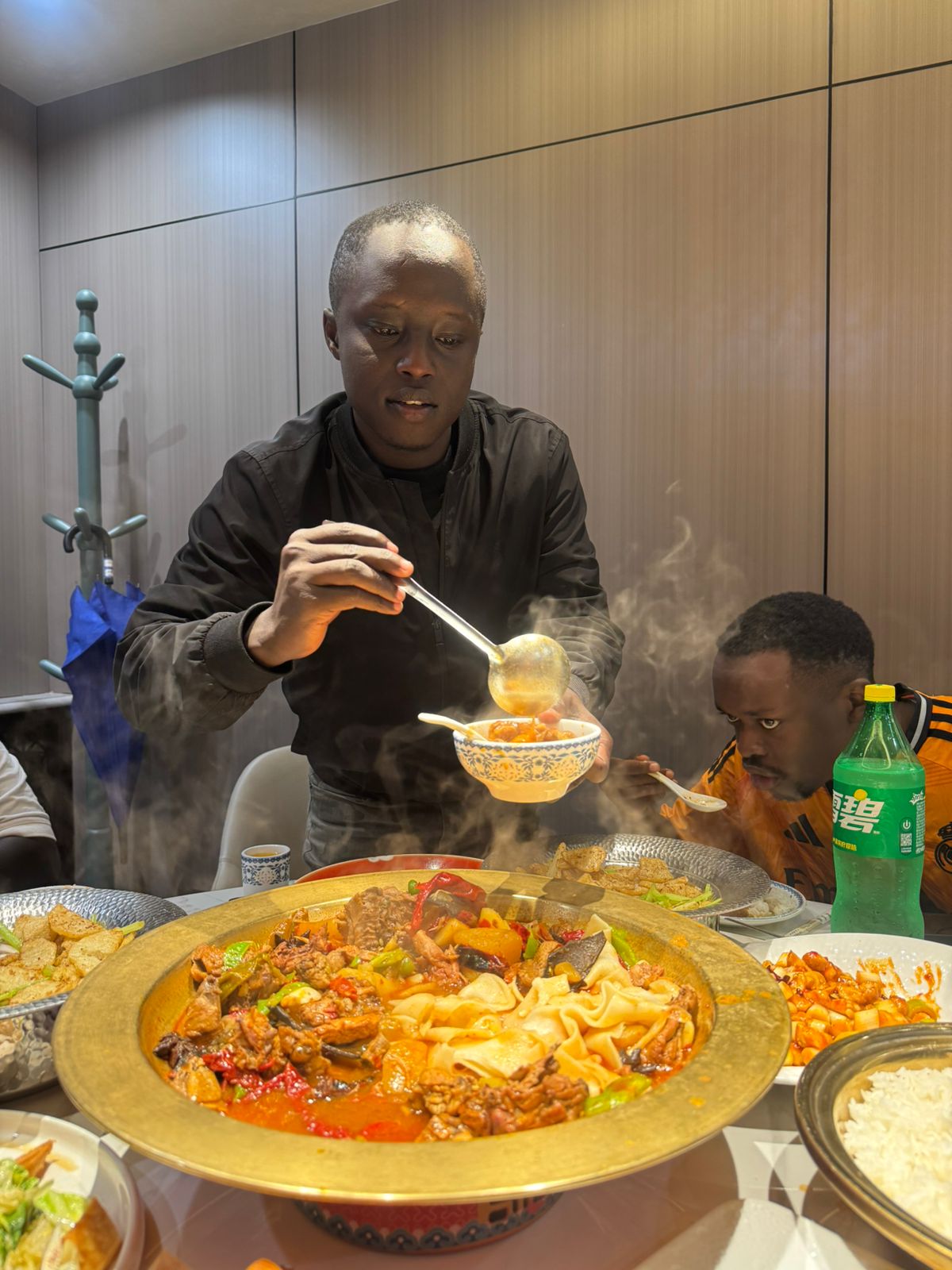
To be honest, some meals felt strange to our Kenyan taste buds at first because we are more accustomed to local dishes such as ugali, nyama choma and sukuma wiki.
Chinese food is also richer in spices and sweet flavors than what many of us are used to.
But that is the beauty of travel — experiencing different cultures through food, traditions and daily life.
Some meals quickly grew on me while others remained adventurous experiments.
Final Thoughts
China changed my perception of the world.
Before this trip, I knew China mainly as a global economic powerhouse often discussed in news headlines because of trade, technology and manufacturing. But visiting the country allowed me to experience a different side of China — one filled with history, discipline, efficiency, hospitality and ambition.
The country perfectly balances ancient civilization with modern innovation.
From the Great Wall to Beijing’s futuristic skyline, from affordable transport systems to friendly strangers willing to help foreigners, every experience left me with admiration.
For me, China is no longer just another country on the map.
It is now my number one travel destination so far.