


























NAIROBI,Kenya,May 30-Kenya’s expanding credit market is increasingly shifting focus from loan disbursement to financial literacy, as lenders seek to improve borrower outcomes and reduce the risks associated with poor debt management.
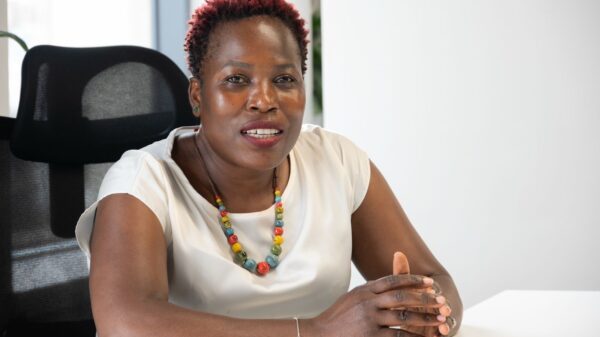
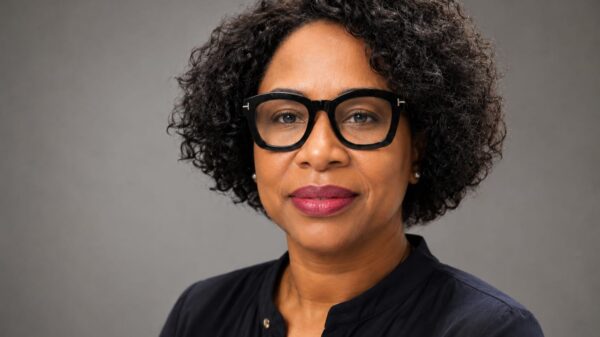
Speaking during the fourth anniversary celebrations of Oya Micro Credit Kenya, Chief Executive Officer Wycklife Ochola said access to credit alone is insufficient to guarantee business success, particularly among small and medium-sized enterprises (SMEs) that continue to grapple with cash flow challenges, budgeting gaps and weak financial planning.
Ochola noted that financial education has become a core component of the lender’s business model, with borrowers receiving guidance on responsible borrowing, repayment planning and business management before accessing loans.
“Credit is a powerful tool for economic empowerment, but it must be accompanied by financial education.”
“We have learnt over the past four years that when clients understand how to manage their finances and use credit responsibly, they are more likely to succeed in their businesses and personal financial goals.”
His remarks come as Kenya’s financial services industry undergoes rapid transformation, driven by digital lending platforms, mobile banking and the growing reach of microfinance institutions.
While these innovations have widened access to capital, concerns persist over the financial literacy levels of borrowers, particularly among households and SMEs.
The SME sector remains a key pillar of Kenya’s economy, contributing significantly to employment creation and economic activity.
However, many entrepreneurs continue to lack access to structured financial management training, often undermining the sustainability of otherwise viable businesses.
According to Ochola, financial management weaknesses remain one of the biggest obstacles facing growing enterprises.
“We have seen many businesses with great potential struggle not because they lack customers, but because they lack the financial knowledge needed to manage growth and maintain healthy cash flow.”
“When people understand how to budget, track expenses and plan repayments, they are better equipped to use loans productively and avoid financial distress.”
The lender says its approach is designed to foster long-term business sustainability rather than simply increase loan uptake.
Through its financial literacy programmes, customers are guided on borrowing within their means and aligning credit with business objectives.
Over the last four years, Oya Micro Credit says it has expanded its national footprint to 110 branches and now serves an estimated 20,000 customers monthly.
The company says its growth has also generated more than 500 jobs across the country, largely targeting young people.
The lender is also leveraging technology to deepen financial inclusion and education through an artificial intelligence-powered WhatsApp platform that provides users with budgeting advice, financial literacy materials and business management support.