




























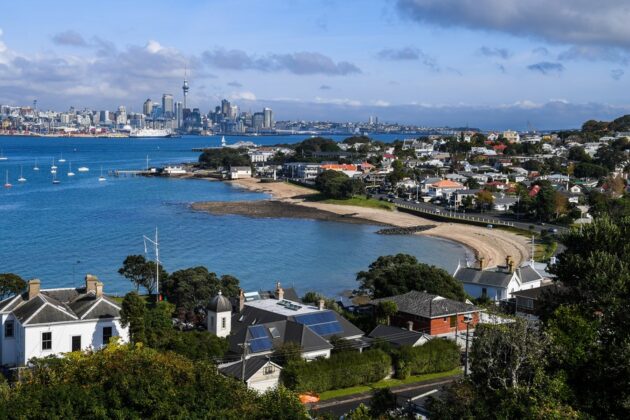

JAN 27 – New Zealand has relaxed its visa requirements to allow tourists to work remotely while visiting the country in an effort to boost its tourism sector.
Under the new rules, visitors can now carry out remote working for a foreign employer while holidaying in the country for up to 90 days, after which they could face possible tax implications.
The country’s government has said the move is aimed at making New Zealand “more attractive to digital nomads”, referring to people who travel while working remotely.
“The change will enable many visitors to extend their stays, which will lead to more money being spent in the country,” said New Zealand’s Immigration Minister Erica Stanford.
The government said the changes applied to all visitor visas, including tourists and people visiting family, partners and guardians on longer-term visas.
It added that only remote work based overseas was allowed, while visitors whose employment required them to be in the country still had to obtain appropriate visas.
New Zealand’s tourism industry generates a revenue of almost $11bn, according to the government.
Many other countries have introduced visa programmes for digital nomads over the past few years in an effort to appeal to a growing number of people seeking opportunities to travel while working remotely.
The trend took off in the 2010s, mostly among young workers who were looking to escape their daily routine. It was further bolstered by the Covid-19 pandemic, when worldwide lockdowns led to a shift in attitudes toward remote work.
Countries offering digital nomad visas include Japan, South Korea, Brazil, Spain and Portugal.
But the presence of digital nomads in some places has also sparked debate. In the South African city of Cape Town, detractors say the influx of remote workers has led to an increase in costs.
The influx of visitors to countries such as Spain and Greece have also fuelled heated protests against overtourism.
By BBC