























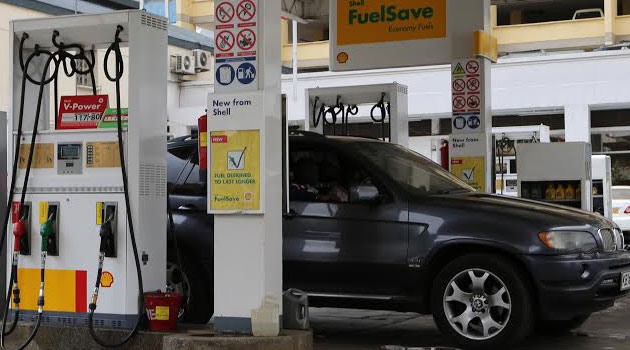

NAIROBI, Kenya, Jul 14 — The Energy and Petroleum Regulatory Authority (EPRA) has announced sharp increases in fuel prices in its latest monthly review, citing higher international landing costs of petroleum products and exchange rate pressures.
According to EPRA’s statement released Monday, the maximum pump prices for the period running from July 15 to August 14, 2025, have risen by an average of Sh9 per litre across the board.
EPRA adjusted the price of petrol up by Sh8.99 per litre with diesel going up by Sh8.67 per litre. Kerosene will see the steepest rise, at Sh9.65 per litre.
In Nairobi, Super Petrol, Diesel and Kerosene will now retail at Sh186.31, SH171.58 and Sh156.58 effective midnight.
EPRA attributed the price hikes to a rise in the average landed cost of fuel between May and June 2025.
The cost of imported Super Petrol rose by 6.45 per cent, diesel by 6.27 per cent, and kerosene by 6.95 per cent over the period.
EPRA reported a jump in the landed cost of Super Petrol from USD 590.24 per cubic metre in May to USD 628.30 in June, while diesel rose from USD 580.23 to USD 616.59, and kerosene from USD 569.00 to USD 608.54.
The prices announced include the 16 per cent Value Added Tax (VAT) and are in line with the Finance Act 2023, Tax Laws (Amendment) Act 2024, and adjusted excise duty rates under Legal Notice No. 194 of 2020.
Global factors
EPRA Director General Daniel Kiptoo explained that the upward adjustment is meant to ensure full recovery of import and other associated costs while protecting consumers from volatile global oil prices.
“The purpose of the Petroleum Pricing Regulations is to cap the retail prices of petroleum products already in the country so that importation and other prudently incurred costs are recovered while ensuring reasonable prices to consumers,” he said.
The review also pointed to the continuing volatility in the global energy market.
Kenya, which imports all its refined petroleum products, has been affected by rising international benchmark prices and a strong dollar.
The USD/Sh exchange rate, which affects conversion of landing costs into retail prices, averaged 129.62 in June, only marginally down from 129.78 in April and May.
Similarly, international Murban crude oil prices, a key benchmark used in price setting, fell slightly from USD 72.63 per barrel in May to USD 67.73 in June, but this was not enough to offset the rise in refined product costs.
The latest price adjustment is likely to have ripple effects across the economy, particularly on the cost of transport, manufacturing, and household energy use.
With inflation already weighing on households, especially due to the recent increase in electricity tariffs and food prices, the rise in pump prices is expected to trigger a fresh wave of public concern and calls for relief measures.