
























NAIROBI, Kenya, April 21 – Kenya’s economic recovery is coming under renewed pressure from rising global energy costs and climate-related shocks, despite recent gains in stabilising the economy, a new report by MCB Group shows.
The Africa Economic Compass report highlights Kenya as an economy that had begun to rebuild macroeconomic stability but is now facing fresh risks from both external and domestic factors.
After experiencing refinancing pressures in 2023–2024, Kenya has improved access to international capital markets, strengthened foreign exchange reserves and recorded a sovereign rating upgrade, signalling reduced default risk.
However, escalating geopolitical tensions, particularly in the Middle East, are emerging as a key threat.
“Kenya has made notable progress in restoring macroeconomic stability, but the current environment highlights the importance of strengthening resilience to external shocks,” said Jessen Coolen, Economic Research Lead at MCB.
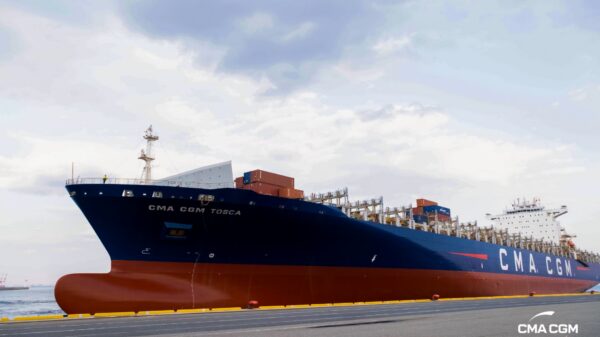
The report flags Kenya’s heavy reliance on imported fuel—about 60 percent sourced from the Middle East—as a major vulnerability, with rising oil prices already feeding into inflation through higher fuel and fertiliser costs.
Higher import bills are also expected to widen the current account deficit and could put pressure on the Kenyan shilling if global conditions deteriorate.
Inflation risks are further complicating monetary policy, with the report warning that there is limited room for interest rate cuts despite earlier easing pressures.
“Given this backdrop, we see limited room for further easing this year and expect the Central Bank to take a cautious, data-driven approach,” the report notes.
Beyond global shocks, the report points to climate-related disruptions, including severe flooding in and around Nairobi, which have affected infrastructure, logistics and business operations.
These shocks are adding pressure on growth, inflation and public spending, compounding the impact of external volatility.
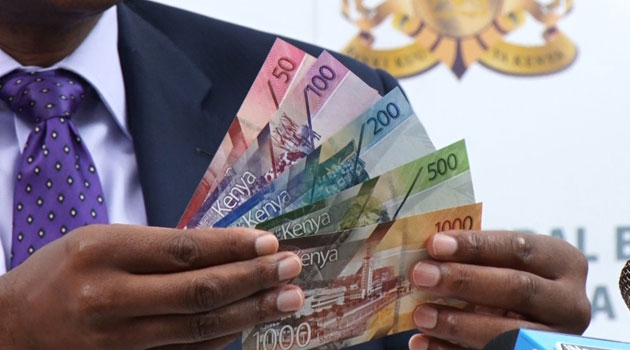
Despite the headwinds, the Kenyan shilling has remained relatively stable at around 129 to the US dollar, supported by improved foreign exchange reserves and steady diaspora remittances, although this stability could be tested if external pressures intensify.
On the fiscal side, measures to cushion households from rising fuel costs—such as tax adjustments and use of stabilisation funds—may offer short-term relief but risk straining public finances.
MCB’s Macroeconomic Pressure Index indicates that while Kenya’s economic fundamentals have improved, pressures are beginning to build again as global and domestic risks converge.
The report notes that sustaining investor confidence will depend on continued fiscal discipline and access to external financing, including support from international lenders.
Overall, Kenya enters this period of uncertainty in a stronger position than in recent years, but the convergence of energy shocks, inflation risks and climate disruptions underscores the fragility of the recovery.