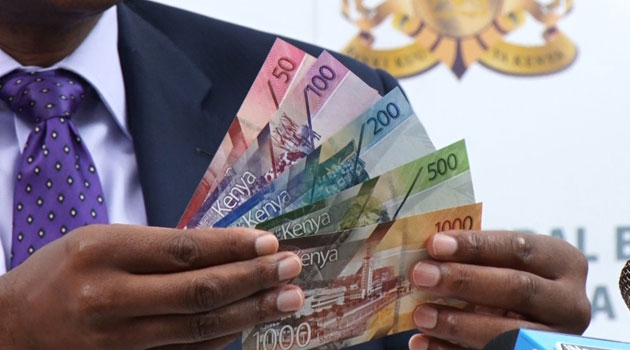

























NAIROBI, Kenya May 11 – The government risks deepening the digital divide after the Finance Bill, 2026 proposed a 25 per cent excise duty on mobile phones, a move likely to push smartphones further out of reach for millions of low-income households and informal workers who rely on the devices for business, education and access to government services.
The proposal, contained in amendments to the Excise Duty Act, seeks to impose the levy on telephones for cellular networks or for other wireless networks,with the tax payable at the point of activation rather than importation or purchase.
If enacted, the measure is expected to significantly increase the retail price of smartphones and other wireless devices at a time when the government is aggressively digitising public services, education, banking and business transactions.
Under the proposal, a basic smartphone retailing at about Sh10,000 could rise to more than Sh12,500 before factoring in existing VAT, import charges and dealer mark-ups.
The tax forms part of a wider revenue mobilisation strategy under the Finance Bill, with the Treasury targeting an additional Sh120 billion in new tax measures for the 2026/27 financial year. Overall tax revenue collections are projected to hit Sh2.985 trillion from July.
Blow to the hustler economy
For many Kenyans working in the informal sector, smartphones have evolved from luxury gadgets into essential tools of trade.
Boda boda riders rely on mobile applications for navigation and customer orders, traders use phones for mobile banking and stock management, while online workers depend on affordable internet-enabled devices for freelance jobs and digital marketplaces.
Mobile penetration and mobile money ecosystem have long been cited as among the country’s biggest economic success stories. Increasing smartphone costs risks slowing internet adoption and undermining efforts to expand financial inclusion and e-government access.
Critics argue that the proposal contradicts the administration’s own digital transformation agenda, which has heavily promoted platforms such as eCitizen, online tax filing and digital payments.
Unlike previous taxation models, the proposed excise duty would be collected when a device is first activated on a mobile network. Treasury argue that the new approach is aimed at sealing tax loopholes and improving enforcement by ensuring all active devices are captured within the tax system.
However, this model could create compliance and operational challenges, particularly regarding who bears responsibility for remitting the levy whether telecom operators, importers or distributors.
The proposal has also triggered concern among consumers who import refurbished or second-hand phones from abroad.
The measure comes even as the Finance Bill proposes tax incentives for electric bicycles, buses and other green technologies, a contrast that has fuelled criticism over what some observers see as conflicting policy priorities.
Kenya has spent years positioning itself as a regional technology and innovation hub, with policymakers repeatedly emphasising digital inclusion as key to economic growth and job creation.
Making smartphones more expensive could widen the digital divide, particularly among young people, low-income earners and rural households.