






















NAIROBI, Kenya, May 11 – Rising inflation triggered by the ongoing Middle East conflict is increasingly eroding the purchasing power of Kenyan workers, transport operators and unemployed citizens, despite recent efforts by the government to stabilize the economy.
After years of economic strain caused by the COVID-19 pandemic and the Russia-Ukraine war, many Kenyans had started to experience some relief following the easing of inflation and the strengthening of the shilling.
The government had managed to stabilize inflation at below 6 percent, while the exchange rate improved significantly after the shilling had weakened to nearly Sh180 against the dollar in previous years.
However, the outbreak of conflict involving Iran, Israel and the United States earlier this year reignited fears of fresh economic shocks, particularly due to disruptions in global oil supply chains.
Kenya, which imports most of its petroleum products through Gulf countries such as United Arab Emirates and Saudi Arabia, has been directly affected by the instability.
The situation worsened after Iran threatened the closure of the Strait of Hormuz, a key shipping route that handles nearly 20 percent of global oil and gas supplies.
The impact became more visible in May after the Energy and Petroleum Regulatory Authority increased pump prices sharply despite an 8 percent VAT cut and a Sh6 billion fuel subsidy.
A litre of super petrol in Nairobi rose to Sh197.60 while diesel increased to Sh196.63, up from Sh178.28 and Sh166.54 respectively before the latest review.
The higher fuel prices quickly spilled over into the broader economy, with public transport operators, airlines, manufacturers and logistics companies adjusting charges upward to offset rising operating costs.
Latest data from the Kenya National Bureau of Statistics shows that Kenya’s annual inflation rose to 5.6 percent in April from 4.4 percent in March, driven largely by higher food, transport and fuel costs.
According to the Consumer Price Index report, food and non-alcoholic beverage prices rose by 8.8 percent, transport costs increased by 10 percent, while housing, electricity, gas and other fuel costs rose by 2.4 percent.
For ordinary workers, the impact is already being felt in daily life.
Felix Oduor, a government employee based in Nairobi, says transport costs have become increasingly difficult to manage after matatu fares rose following the fuel hikes.
Oduor, who lives in Pipeline estate, says he previously spent Sh80 commuting to Nairobi’s CBD but now pays an additional Sh10 per trip.
While the increase may appear small, he says it significantly affects his monthly budget given that his salary has remained unchanged for years.
“Despite high inflation, my salary has remained unchanged for the last five years although the cost of living has continued to rise,” he said.
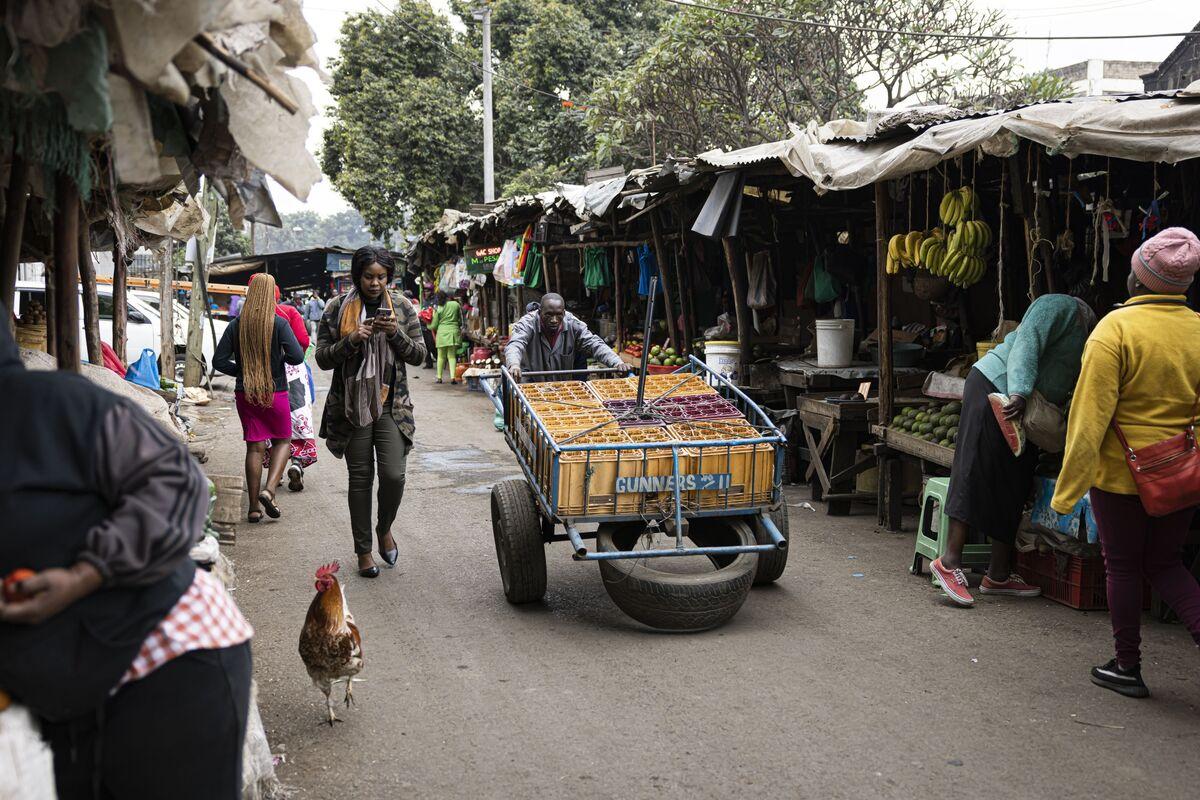
He also fears food prices will continue rising as transport costs push up the cost of delivering vegetables and other essentials into Nairobi markets.

AI generated image
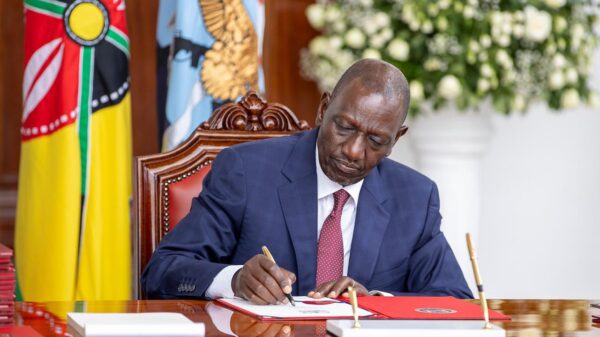
To cushion workers, President William Ruto announced a 12 percent increase in general wages and a 15 percent rise in agricultural wages during this year’s Labour Day celebrations.
However, many employers are yet to implement the directive, citing a difficult business environment and rising operational costs.
At the same time, the Central Bank of Kenya has warned that inflationary pressure could intensify in the coming months.
CBK Governor Kamau Thugge recently projected that inflation could peak at 6.2 percent in July 2026 if global oil prices remain elevated due to the Middle East conflict.
Transport operators are also struggling to survive under the weight of rising fuel prices.
Brian Wasilwa, who owns a Toyota pickup used for transporting goods around Nairobi and nearby counties, says diesel costs have increased sharply, forcing him to raise transport charges.
According to Wasilwa, filling his vehicle now costs more than Sh1,000 extra compared to previous months.
“Getting clients to hire my vehicle has become difficult after I increased charges by Sh500. But I do not have an alternative because I would make losses if I don’t,” he said.
The rising cost of living is also affecting unemployed Kenyans and informal workers, many of whom rely on casual jobs and small businesses that are highly sensitive to transport and commodity price increases.
Economists warn that if inflation continues rising, households could cut spending further, slowing economic activity and reducing demand across key sectors.
Already, businesses are reporting weaker consumer purchasing power as households prioritize basic necessities over discretionary spending.
While the government has attempted to cushion consumers through tax cuts and fuel subsidies, analysts argue that Kenya remains vulnerable to external shocks because of its dependence on imported fuel and food inputs.
With inflation expected to remain elevated in the coming months, many households now fear that the modest economic recovery witnessed earlier this year could quickly be reversed if global tensions persist.