






















NAIROBI, Kenya, May 5 – Regulators and investors have warned that Africa’s fast-growing betting and gaming industry risks losing out on investment and tax revenues if governments fail to align regulation and taxation frameworks.
The concerns dominated discussions at the inaugural iGaming AFRIKA Summit 2026 in Nairobi, where policymakers and industry players pointed to rising fiscal stakes as digital gaming expands across the continent.
The summit comes on the back of sustained governments’ focus on the sector as a source of revenue, backed by growth in mobile usage and a youthful population driving demand.
Kenya’s collections highlight the trend, with the Kenya Revenue Authority reporting Sh31 billion in revenue from betting and gaming in the 2024/25 financial year, positioning the sector as a notable contributor to the tax base.
Growth outlook and market structure
iGaming CEO Jeremiah Maangi said the industry is transitioning into a more structured growth phase.
“Africa’s gaming industry is no longer a frontier market, it is a growth market,” he said.
Even so, policymakers cautioned that aggressive or inconsistent tax regimes could undermine compliance and push operators into informal channels.
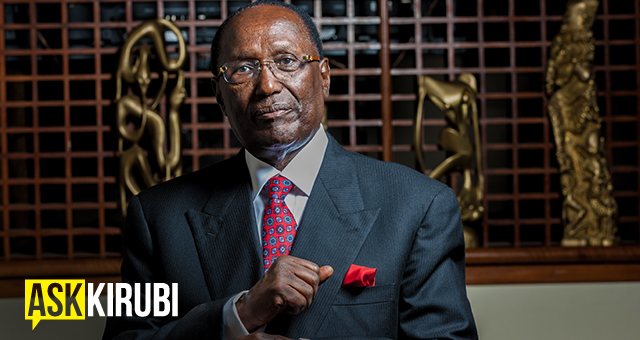
Joseph Kirui Limo, chairperson of the Gambling Regulatory Authority (GRA), said governments must design policies that encourage compliance rather than evasion.
“Taxation and licensing are not merely revenue instruments, they are statements of intent by governments about what kind of gaming industry they want to build.”
Regulation and compliance
Kenya’s regulatory transition from the Betting Control and Licensing Board to the Gambling Regulatory Authority reflects broader efforts to modernise oversight as the industry digitises.
Peter Karimi, GRA Director General, said clear and predictable regulation is essential to sustaining growth and attracting legitimate operators.
“Effective regulation is not the enemy of growth. It is the foundation upon which sustainable growth is built.”
Across the continent, fragmented regulatory regimes remain a major constraint. Multiple licensing systems and varying tax structures increase compliance costs and limit the ability of firms to scale across borders.
Fragmentation and investment flows
Denis Mudene Ngabirano, CEO of the National Lotteries and Gaming Regulatory Board, Uganda, said countries that get their frameworks right will attract investment at the expense of others.
“The fragmentation of African gaming regulation is one of the industry’s biggest challenges and one of its biggest opportunities.”
Industry leaders are now pushing for harmonised policies to unlock scale and improve revenue collection.
Peter Emolemo Kesitilwe, CEO of the Africa iGaming Alliance, said coordination could significantly reduce inefficiencies.
“Harmonisation is not about surrendering national sovereignty, it is about creating the conditions in which African gaming can compete with the world,” he said.