

















NAIROBI, Kenya, Apr 29 – Kenya’s economic growth slowed slightly to 4.6 percent in 2025 from a revised 4.7 percent in 2024, weighed down by weaker agricultural output and slower manufacturing activity.
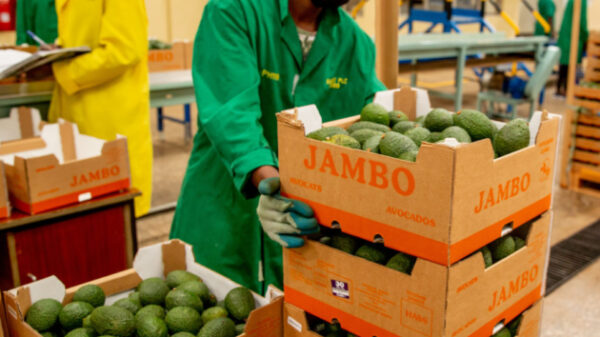
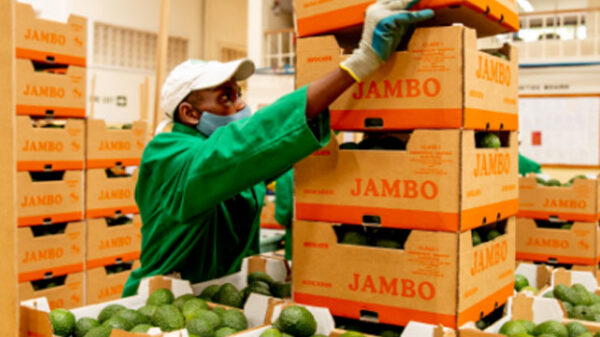
Data from the Kenya National Bureau of Statistics Economic Survey 2026 shows the agriculture sector—still the backbone of the economy—was the main drag on growth due to erratic rainfall.
Agriculture, forestry and fishing expanded by 2.8 percent in 2025, down from 4.3 percent a year earlier. Output declined across key crops, with wheat production dropping 18.2 percent, tea falling 7.8 percent and sugarcane plunging 24.7 percent.
Manufacturing growth also slowed to 2.0 percent from 3.0 percent in 2024, largely due to contraction in food-related industries. Sugar production fell by 24.8 percent to 613,200 metric tonnes, even as gains were recorded in cement, textiles, pharmaceuticals and motor vehicle assembly.
Despite the slowdown, several sectors showed strong recovery.
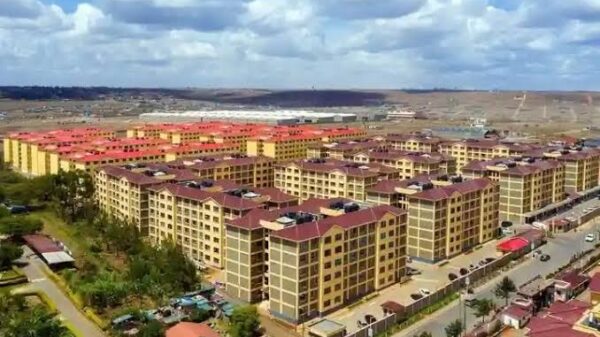
Construction rebounded to 6.8 percent growth from a contraction of 0.7 percent in 2024, supported by infrastructure projects, while mining and quarrying expanded sharply by 14.9 percent.
Services sectors remained resilient, with accommodation and food services growing by 15.6 percent, public administration 8.3 percent, financial and insurance services 6.5 percent, and information and communication 4.8 percent.
Transport and storage grew by 3.7 percent, while wholesale and retail trade expanded by 3.6 percent.
Nominal GDP rose to Sh17.58 trillion in 2025 from Sh16.23 trillion in 2024, with GDP per capita increasing to Sh329,594.
Domestic demand held steady, with private consumption growing 4.7 percent and government spending rising 8 percent.
KNBS noted that agriculture still accounts for 23.2 percent of GDP, underscoring its outsized influence on overall economic performance.
“The slowdown in 2025 was primarily driven by weakened agricultural output… following erratic rainfall patterns,” the report said.
The findings highlight Kenya’s continued vulnerability to climate shocks, even as stronger performance in construction, mining and services helps cushion overall growth.