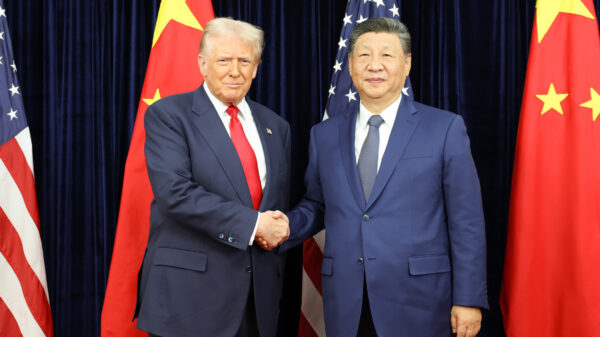










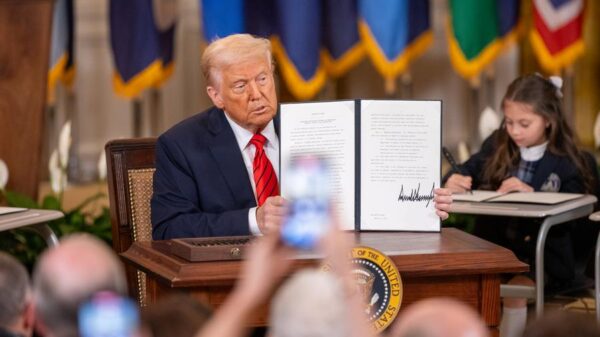









MAR 23 – Oil prices have plunged and stock markets have rebounded after US President Donald Trump said the US and Iran had held “very good and productive” talks over halting the conflict in the Middle East.
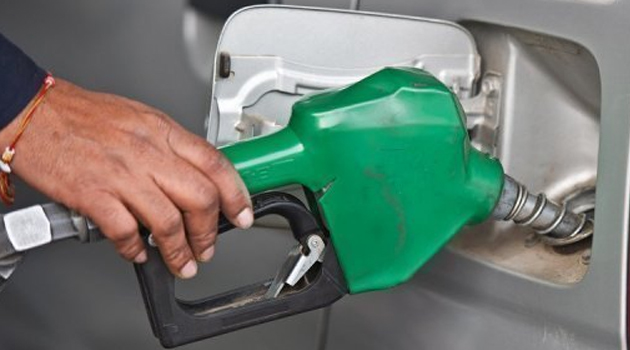
After the announcement, the price of Brent crude sank 13%, while the FTSE 100 index rose 0.5% having fallen more than 2% earlier.
Trump said on social media he would “POSTPONE ANY AND ALL MILITARY STRIKES AGAINST IRANIAN POWER PLANTS AND ENERGY INFRASTRUCTURE” for a five-day period.
On Saturday, he said he would “obliterate” Iranian power plants if the key Strait of Hormuz shipping route was not reopened. Iran had said it would respond by targeting key infrastructure in the region.
The comments over the weekend had rattled financial markets, adding to fears that the US-Israeli war with Iran would be a prolonged conflict.
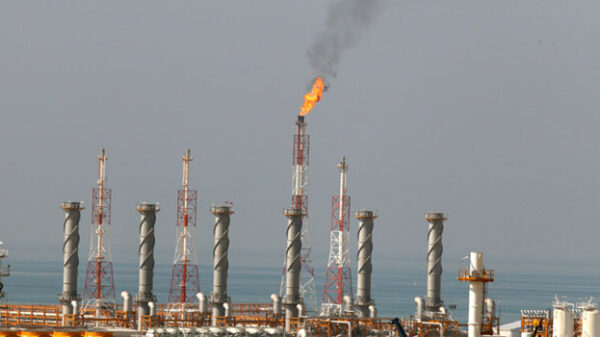
Since the war began on 28 February, Iran has effectively blocked the Strait of Hormuz, one of the world’s busiest oil shipping channels.
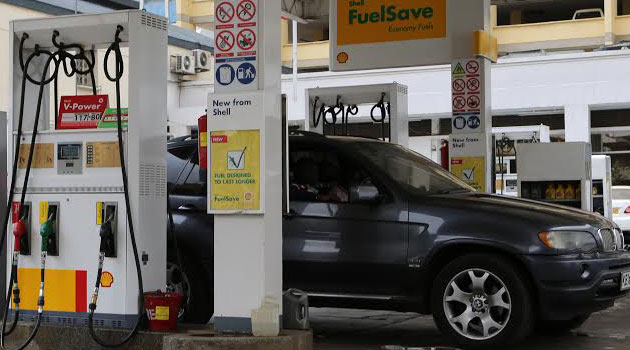
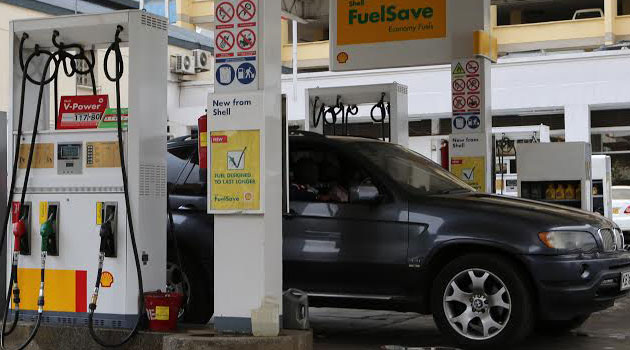
About 20% of the world’s oil and liquefied natural gas usually passes through the waterway – and the conflict has sent global fuel prices soaring.
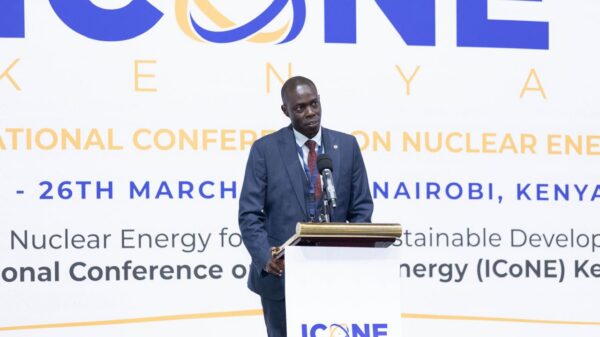
Earlier on Monday, the head of the International Energy Agency (IEA), Fatih Birol, had warned the war could see the world facing its worst energy crisis in decades.
Birol compared the current energy crisis to those of the 1970s and the impact of Russia’s 2022 invasion of Ukraine.
“This crisis as things stand is now two oil crises and one gas crash put all together,” he said, speaking at an event in Australia.
At one point on Monday, the price of Brent had hit $113 a barrel, but it tumbled after Trump’s comments.
While oil fell, stocks rose. Germany’s Dax index was 1.6% higher while France’s Cac was up 1.2%. Earlier, both had been down by about 2%.
Stocks in Asia, which closed before Trump’s latest comments, had seen heavy falls.
Japan’s Nikkei index closed down 3.5% while South Korea’s Kospi index sank 6.5%. Japan and South Korea have been particularly affected by the conflict, as they are heavily dependent on oil and gas that would normally pass through the strait.
By BBC