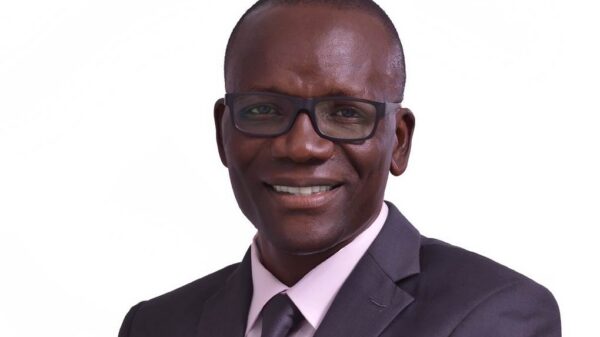
















NAIROBI, Kenya, Feb 27 – Treasury Cabinet Secretary John Mbadi has asked Parliament to approve fresh funding for a nationwide poverty assessment.
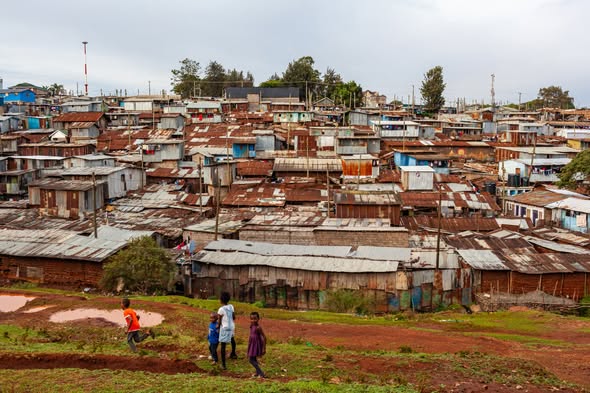
Mbadi, in response to the Senate plenary, referenced the 2022 Kenya Continuous Household Survey data that shows 22 counties have poverty rates above the national average, underscoring deep regional and emerging urban disparities.
The 2022 Kenya Continuous Household Survey places Kenya’s overall poverty rate at 39.8 percent.
Counties in the arid and semi-arid belt remain the hardest hit, with Turkana County (82.7 percent), Mandera County (72.9 percent), Samburu County (71.9 percent), Garissa County (67.8 percent) and Tana River County (66.7 percent) topping the list.
But Treasury signalled that poverty is no longer confined to traditionally marginalised regions.
“Although the poverty levels in some counties were lower, they still contribute more to the poor nationally,” Mbadi told senators.
“For instance, Nairobi County, which had a poverty rate of 16.5 percent, contributed 3.8 percent of the total poor nationally.”
The data places Nairobi City County among the significant contributors to the national poor population despite its lower poverty rate, highlighting the rising weight of urban vulnerability in fiscal planning.
In response, Treasury says it is applying the equitable share allocation formula to factor in poverty levels, population and fiscal effort when distributing revenue to counties.
Conditional grants targeting health, road maintenance, urban development and basic services are also being used to narrow development gaps, alongside social protection programmes such as Inua Jamii and the Hunger Safety Net Programme.
Mbadi is now seeking dedicated resources in the 2026/27 financial year to undertake the Sixth Participatory Poverty Assessment, a nationwide exercise aimed at generating updated, community-level data to guide poverty reduction interventions.
While seeking dedicated funding in the 2026/27 budget, Treasury did not provide a cost estimate for the exercise, making it difficult to assess its weight against competing spending priorities.
The request comes at a time when public finances remain tight, increasing scrutiny over how new spending proposals align with debt obligations, social protection demands and development financing needs.