



















NAIROBI, Kenya, July 25 – Kenya’s power consumption hit a new peak of 2,362.28 megawatts (MW) on July 23, 2025, eclipsing the previous high of 2,325.23MW in February this year.
The Kenya Electricity Generating Company (KenGen) attributes this to industrial expansion, increased urbanisation, and rising domestic energy use.
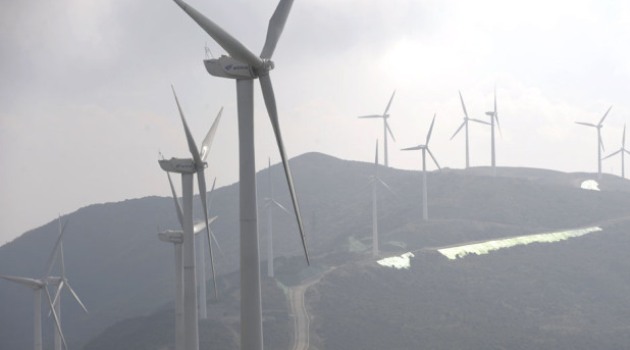
Sources of Kenya’s electricity include geothermal, wind, hydro, and solar, making the country one of the global nations that generates its power from clean sources.
A recent report from the Energy and Petroleum Regulatory Authority (EPRA) showed that geothermal plants generated 13,678.35 megawatt-hours (MWh), representing 31.85 percent of total energy supplied, with hydropower stations delivering 10,915.93MWh, or 25.42 percent of the national output.
Combined, these sources accounted for over 57 percent of Kenya’s daily electricity generation.
“We are committed to supplying steady and reliable baseload power to light our homes and drive Kenya’s industrialisation,” KenGen Managing Director and CEO Eng. Peter Njenga said.
“This is why in our 10-year G2G strategy, we are working to deliver 1,500MW of electricity all from renewable sources including geothermal, hydro, wind and solar.”
The latest demand did not result in load shedding, according to the power producer. However, transmission lines such as Muhoroni-Chemosit and Kisumu-Muhoroni exceeded 120 percent capacity, underscoring the need for urgent infrastructure reinforcement to keep pace with surging demand.
“While the total energy demand for the day stood at 42,943.11MWh, including thermal sources, wind, and interconnectors with Uganda and Ethiopia supplemented generation, we are glad to note that it was KenGen’s steady delivery from indigenous resources that ensured grid stability,” said Eng. Njenga.