



























NAIROBI, Kenya, July 18 – A new education sector report has revealed glaring systemic challenges facing Kenya’s learning institutions, citing underfunded infrastructure, ICT gaps, insufficient equipment, and widespread capitation delays as the key impediments to quality education across all levels.
The joint research report, titled State of Education in Kenya: Rapid Assessment of Gaps in the Education Sector, draws from national data and extensive fieldwork, with support from partners including Safaricom Foundation.
“Our education system is weighed down by inadequate infrastructure, delayed funding, and limited access to learning materials and scholarships,” the report noted in part.
“This has especially affected rural, marginalized, and special needs learners.”
In Technical and Vocational Education and Training (TVET), the findings show only 30 percent of instructors have undergone industry attachment, and nearly half lack certification in modern technologies.
Meanwhile, only 25 percent of institutions have functional machinery, and just 35 percent are fully accredited.
Early Childhood Development and Education (ECDE) faces regional disparities as counties like Mandera and Marsabit report extremely low access rates.
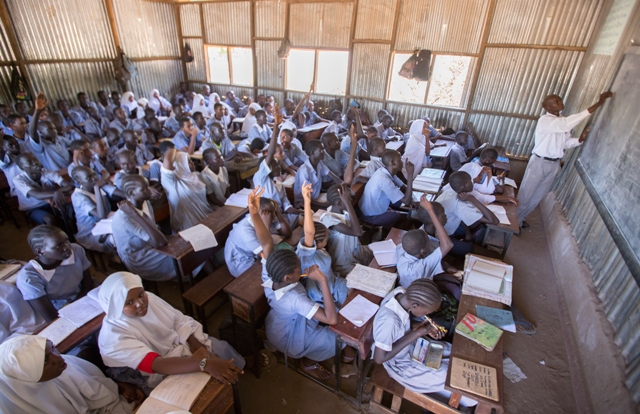
Even in primary school, mor than twice the recommended number of learners share a single toilet, reflecting dire sanitation and health standards.
The researchers call for bold, innovative interventions and stronger public-private-community partnerships to address these challenges and realize Kenya’s vision of inclusive, quality education for all.