























NAIROBI, Kenya, May 8 – The Kenya Revenue Authority (KRA) collected Sh2.1 trillion in the ten months to April 2025, a 6.1 percent growth compared to Sh1.9 trillion collected in the same period in the previous financial year.
This represents a performance rate of 96.5 percent against a target of Sh2.189 trillion.
Domestic taxes amounted to Sh1.386 trillion between July 2024 and April 2025, up 4.7 percent from Sh1.323 trillion collected in a similar period in 2023/24.
Customs revenue grew by 9.1 percent to Sh722.7 billion, up from Sh662.4 billion a year earlier.
Revenue collected on behalf of other government agencies stood at Sh205.5 billion, exceeding the target by 11.8 percent and marking a 37.1 percent increase compared to Sh149.9 billion in the previous financial year.
Exchequer revenue, which is collected on behalf of the National Treasury, reached Sh1.906 trillion, translating to a 3.6 percent rise over last year’s Sh1.840 trillion. However, this was below the Sh2.006 trillion target, resulting in a performance rate of 95 percent.
KRA said revenue performance was impacted by slower GDP growth of 4 percent in the third quarter of 2024, compared to 6 percent in the same period in 2023.
Other contributing factors included subdued private sector activity, with the Purchasing Managers Index (PMI) averaging 49.8 during the review period, and a 1.6 percent decline in import values.
Although the Central Bank of Kenya cut its base lending rate to 10.75 percent, commercial bank rates remained high, averaging 17.22 percent, dampening private sector credit uptake.
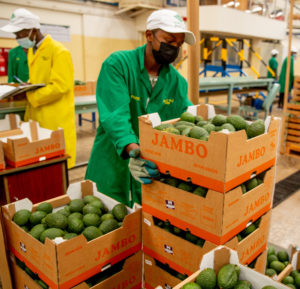
Export earnings also fell by 3.6 percent, with tea and horticulture declining by 18.6 and 6.2 percent, respectively.
KRA attributed part of the dip in effective collections to the use of adjustment vouchers by taxpayers. Sh53.8 billion in previously accrued adjustment vouchers were used to offset current tax liabilities. Additionally, the reclassification of SHIF and Housing Levy deductions reduced the PAYE tax base.
Several administrative measures have been rolled out to boost compliance. These include the Centralized Release Office for customs, which KRA says improved cargo clearance and lifted non-oil revenue. Daily non-oil import revenue rose from Sh2.087 billion between July and February to Sh2.309 billion in March and April.
The authority has also implemented the Electronic Rental Income Tax System (eRITS) for landlords, an Electronic Tax Invoice Management System (eTIMS) to counter VAT fraud, and a revamped Dispute Resolution Framework which unlocked Kshs 21.9 billion between January and March 2025.
The ongoing Tax Amnesty Programme, which offers relief on penalties and interest, generated Sh13.5 billion between December and April and waived Sh164.9 billion for over three million taxpayers.
KRA is targeting to collect Sh2.668 trillion by the end of the 2024/2025 financial year.