




















NAIROBI, Kenya Feb 18 – The Baraza Media Lab has expressed caution regarding the use of Artificial Intelligence (AI) technology in media organizations.
The Nairobi-based organization dedicated to supporting media professionals emphasized the need to safeguard journalistic integrity amidst the rapid technological transformation of Africa’s media landscape.
During a media roundtable event themed “Innovation: AI for Sustainable Media Futures”, the organization noted that AI technology is emerging as both a powerful tool and a disruptive force.
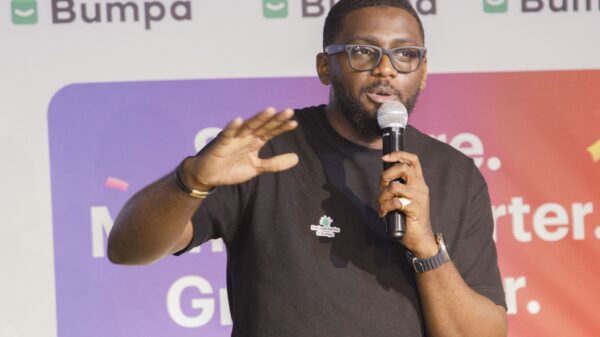
Maurice Otieno, Executive Director, Baraza Media Lab, acknowledged AI’s potential to enhance efficiency and innovation in newsrooms.
“AI is too perfect. Where do we draw the line? As African journalists, we cannot remain passive; we must actively participate in shaping AI’s role,” said Otieno, director, Baraza Media Lab.
He, however, cautioned against over-reliance on technology that could compromise ethical standards and the quality of journalism.
“Reuters research shows that 50% of global media organizations use AI tools. We must protect creative and editorial autonomy while adopting Artificial Intelligence responsibly through better regulation and training,” stated Otieno.
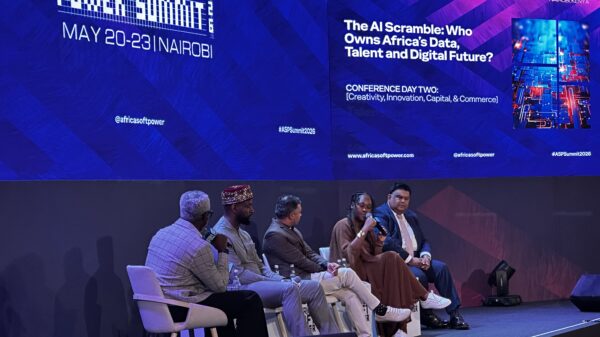
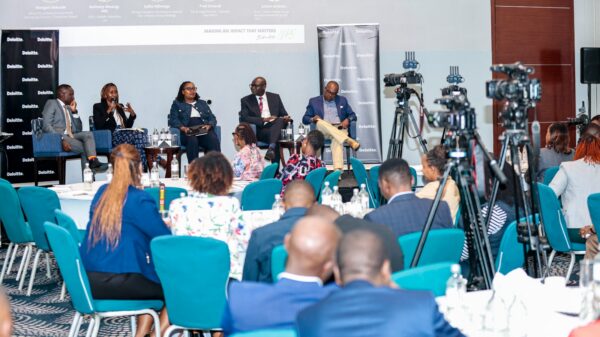
The event held in partnership with the Africa Media Festival brought together thought leaders, journalists, regulators, and AI experts to explore how AI could be harnessed responsibly to drive sustainability in African media.
Mukui Mbindyo, Head of Partnerships, Africa Digital Media Group, noted that AI uptake across the continent has been slower due to limited access to technology, inadequate training, and regulatory concerns.
“Creativity and human intuition remain crucial, even in an AI-driven media world. Africa lags in AI adoption due to limited exposure, making us consumers rather than creators. Addressing this gap is essential to remain competitive,” she said.
Media Council of Kenya (MCK) Regional Coordinator Karanja Jackson called for regulatory measures to ensure AI-generated content maintains accuracy and accountability.
“AI is not replacing journalists; rather, those who understand AI will replace those who do not. The Media Council of Kenya is actively training journalists to combat misinformation and developing ethical AI guidelines,” said Karanja MCK Regional Director.
With AI adoption rising globally, Africa has been urged to invest in digital literacy and AI training to ensure media remains innovative and competitive.
The media event held at Baraza Media Lab offices on Tuesday serves as a prelude to the upcoming Africa Media Festival, scheduled for 26th and 27th February at the National Museums of Kenya.