




















By Okoth Agonda
NAIROBI, Kenya, Mar 19 – The recent news of Kenya Revenue Authority (KRA) dropping 133 recruits due to their health conditions has ignited a wave of criticism and accusations.
It’s undeniable that discrimination based on health conditions is unacceptable, especially in the 21st century. However, before rushing to condemn, let’s pause and consider if there might be more to this story than meets the eye.
As one of the top 10 best employers in the country, KRA is undoubtedly under scrutiny for its actions. The public outcry demands answers, and rightly so. But perhaps before branding KRA as the “devil in the pit,” as some have been quick to do, we should allow them the opportunity to explain themselves.
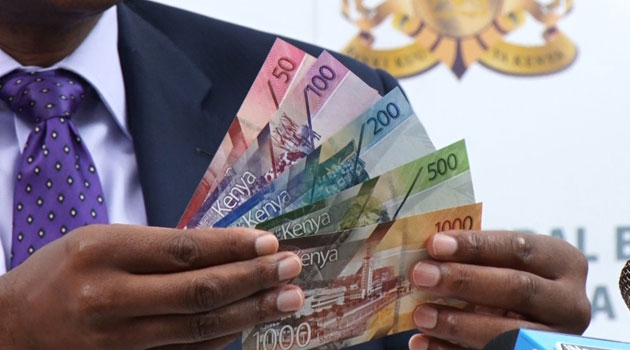
Let’s frame this discussion in terms of good and evil, much like considering counterfeit currency in relation to real money. Evil, as philosopher Jon Morrison suggests, is dependent on the existence of goodness.
Goodness was there first; it is an absolute. Evil, on the other hand, corrupts what is good. This perspective invites us to consider if there might be a missing piece of goodness in this conversation, one that only KRA can reveal.
The bottom line of the issue lies partly in the training these recruits were set to undergo. The paramilitary training was not a mere formality; it was designed to prepare these officers for the challenges they would face in dealing with diverse taxpayers and complex tax evasion schemes.
KRA’s intention was to equip them not just with tax knowledge but also with paramilitary skills, instilling values like discipline, dedication, perseverance, courage, and commitment.
For those unfamiliar with paramilitary training, it is an intense and rigorous process. It involves limited rest, public disciplinary measures, immediate reaction to infractions, daily inspections, and a strict lifestyle. It is a routine that military personnel and police officers can attest to as being demanding and strenuous.
So, the question arises: could an expectant mother, someone battling a chronic illness like epilepsy or sickle cell, or individuals with other health conditions survive such training? The answer is likely No. The physical demands alone would pose significant challenges to those with health vulnerabilities.
KRA’s decision to drop these recruits was not a heartless act but a precautionary measure to ensure their safety and well-being. Imagine the outcry if these recruits had been subjected to such rigorous training, resulting in health complications or worse. The responsibility lies not just in training but in ensuring that individuals are fit for the demands of the role they are taking on.
It’s important to note that there are many KRA’s officers with health complication, who did not undergo paramilitary training and have been effective in their roles, mostly office set up job. Not all KRA recruits are subjected to this paramilitary training, but it depends with the demand of the job.
Within the short period since they were deployed in the field, the recruits who went through the paramilitary training are said to have identified thousands of unregistered taxpayers and brought many into compliance with tax obligations. This demonstrates that the training approach was strategic and has contributed to broadening the tax base, a critical aspect of revenue collection.
The issue of representation and inclusivity is also pertinent. The 2010 constitution demands that the public service be representative of diverse Kenyan communities, including persons with disabilities. While this is a noble goal, achieving perfect balance in staff composition is complex, and likely no institution, public or private, has achieved absolute parity in this regard.
Even as we hold institutions accountable, it’s important to acknowledge the complexities they navigate and the challenges they face. Perhaps a bit of leniency is warranted in this instance. Remember, evil is best understood in relation to absolute goodness. In the pursuit of accountability, let’s also seek understanding and context.
The writer is a communication specialist at the KRA