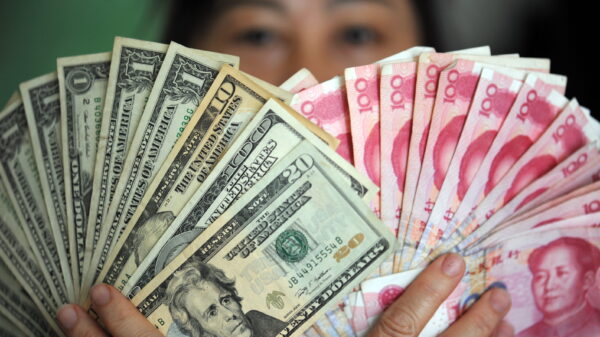



















LONDON, United Kingdom, April 25 – The dollar was largely higher Tuesday as Joe Biden confirmed his bid to win re-election as US president next year.
The announcement comes with the US economy still battered by high inflation and interest-rate rises, triggering concerns of a possible recession.
Worries that the global economy could enter a downturn this year continued to weigh heavily on stock markets Tuesday.
Traders have exited risk ahead of earnings results this week from US tech behemoths Amazon, Microsoft, Facebook owner Meta and Google parent Alphabet.
Before that, General Motors on Tuesday raised key 2023 profit projections following a solid first quarter in which blowout results in North America compensated for declines in other regions.
The big US automaker reported profits of $2.4 billion, down 19 percent from the year-ago level, but translating to better-than-expected profits per share. GM shares jumped on the results.
Investors were waiting on also important economic data from Australia and the eurozone, as well as a policy meeting of the Bank of Japan.
Stephen Innes of SPI Asset Management noted that despite “a reasonably constructive picture on the economy front”, it was tough to get “a clean read on anything happening this week”.
“One of the most challenging things about navigating this bear market and the widely anticipated coming recession is that we’ve had to differentiate between real and nominal economic and market variables like nothing in recent decades,” he said.
The US calendar also includes readings on first-quarter gross domestic product and an update on consumer confidence, as well as a potential vote in the long-running political stalemate over the US debt ceiling.
Following recent shocks in the banking sector, UBS on Tuesday posted an underwhelming first quarter net profit of $1.0 billion but insisted it had seen strong client inflows as it prepared to integrate its stricken rival Credit Suisse.
US lender First Republic Bank has reported a more than 40 percent drop in deposits in the first quarter this year, but added that the situation had stabilised since late March.
Its shares fell more than 20 percent in after-hours trading Monday following the earnings report, its first since the dramatic failures of Silicon Valley Bank and Signature Bank last month shone a spotlight on regional lenders and their vulnerabilities.